



TAMPA, Fla. — Mitt Romney loyalists, seeking a show of strength and solidarity at next week’s GOP convention, struggled Friday to placate restless Ron Paul supporters while also weakening the powers of such insurgent candidates in future Republican primaries.
Pre-convention haggling annoyed devoted backers of Paul, the 77-year-old Texas congressman who was among Romney’s primary challengers. One Republican National Convention panel voted to replace 10 delegates from Maine who are supportive of Paul, deciding that they came to Tampa through a flawed state selection process. A second pro-Romney committee moved to adopt a rule narrowing the routes for delegates to national conventions in 2016 and beyond.
Additional Photos
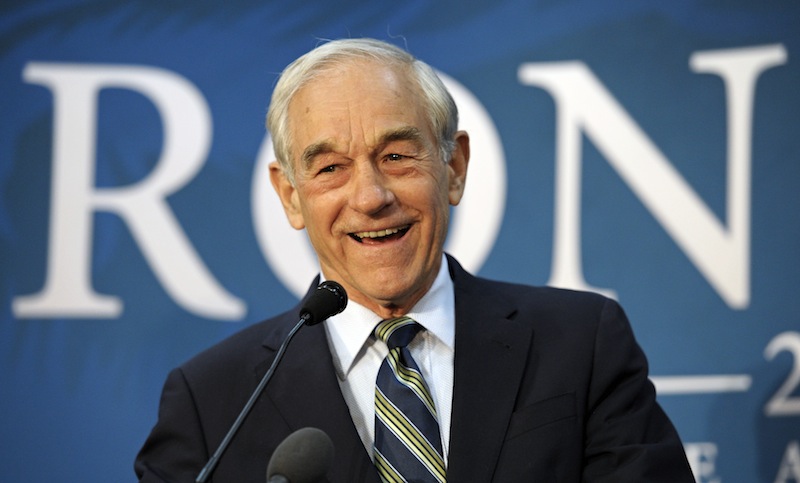
“It sends the message that when the establishment doesn’t get the outcome they want they will use the process to change it,” said Mike Rothfeld of Virginia, who tried in vain to block the ouster of Maine’s delegates partial to Paul. “It will not be good for the party. It will not be good for Mitt Romney.”
Romney, the former Massachusetts governor, comfortably has more delegates than needed to win the nomination. His bid to unseat Democratic President Barack Obama is on course to be tight in November, leaving little room for error.
The skirmishes with Paul supporters highlight lingering tensions between wings of the party ahead of a convention geared around unity. In a peace offering, Romney’s campaign announced plans to air a video tribute to the libertarian-leaning Paul during the convention.
Paul didn’t win a single presidential primary, yet he was able to amass 177 delegates, according to the Associate Press tally. That’s due to an intense effort, particularly in caucus states, to swarm state conventions that took place after the primary elections. His followers won a majority of delegate slots in Iowa, Maine, Minnesota and Nevada.
But the Maine delegation underwent a makeover on the convention’s eve. After several hours of discussion, the credentials committee voted overwhelmingly to substitute 10 Paul delegates with 10 aligned with Romney.
William McGinley, a lawyer pressing the case for the delegate swap, said the Maine convention was invalid because it was riddled with problems. Some party officials complained of lax floor security and dubious identification of participants.
McGinley said Paul’s supporters “shouldn’t be able to benefit from this chaos.”
Paul’s allies said it was Romney’s team that threw up obstacles back in May.
Committee members who backed the substitutions said it was a stand against unruly conventions even if it cost some people access to a convention they spent thousands of dollars to attend.
“This body has to send a message back for future conventions,” said Bob Brunjes of Washington state.
The move had immediate repercussions. Maine Gov. Paul LePage, a delegate himself, said he would skip the convention because of the discord. Another remaining delegate, former state lawmaker Stavros Mendros, predicted it would hamper the GOP’s bid to snatch an electoral vote in Maine given its process of awarding those based on geographic vote totals.
“It’s going to be a disaster back home,” Mendros said. “People are going to be out for blood.”
In an adjoining ballroom, allies of Romney worked to make it harder for insurgent presidential candidates such as Paul to have a big voice in future nominating conventions. GOP rule-makers voted to tie the selection of convention delegates to the results of each state’s Republican primary. Supporters of the rule change said primary voters expect national convention delegates to be loyal to the primary winner.
The proposed change is subject to a later vote on a large rules package.
The flare-ups put a damper on the Romney team’s other efforts recently team to make Paul followers feel included in key decisions.
For instance, the platform committee Tuesday adopted a draft document that includes several planks backed by Paul delegates, including proposals to audit the Federal Reserve and seek a balanced budget amendment to the Constitution.
Advisers to Paul said he was not looking to cause a scene in Tampa.
Paul was not expected to address the convention though he had plans to headline a rally Sunday at a Tampa college football stadium. Paul’s son, Sen. Rand Paul of Kentucky, scored a prime-time convention speaking slot next week. Rand Paul is seen as an heir to his father’s political machine.
Despite his sharp disagreements with Paul on foreign policy and other issues, Romney never engaged in the often sharp back-and-forth during the nominating campaign that he did with former rivals Newt Gingrich and Rick Santorum.
Senior Romney aide Russ Schriefer, who has overseen the convention plans, said the film that will air Tuesday night is a nod to Romney’s respect for Paul.
“Governor Romney and Congressman Paul, while they certainly disagree on many issues, they always have had, if you’ve watched part of the debate this year, a lot of mutual respect between the two of them,” Romney adviser Russ Schriefer told reporters Friday.
Send questions/comments to the editors.

Success. Please wait for the page to reload. If the page does not reload within 5 seconds, please refresh the page.
Enter your email and password to access comments.
Hi, to comment on stories you must . This profile is in addition to your subscription and website login.
Already have a commenting profile? .
Invalid username/password.
Please check your email to confirm and complete your registration.
Only subscribers are eligible to post comments. Please subscribe or login first for digital access. Here’s why.
Use the form below to reset your password. When you've submitted your account email, we will send an email with a reset code.