




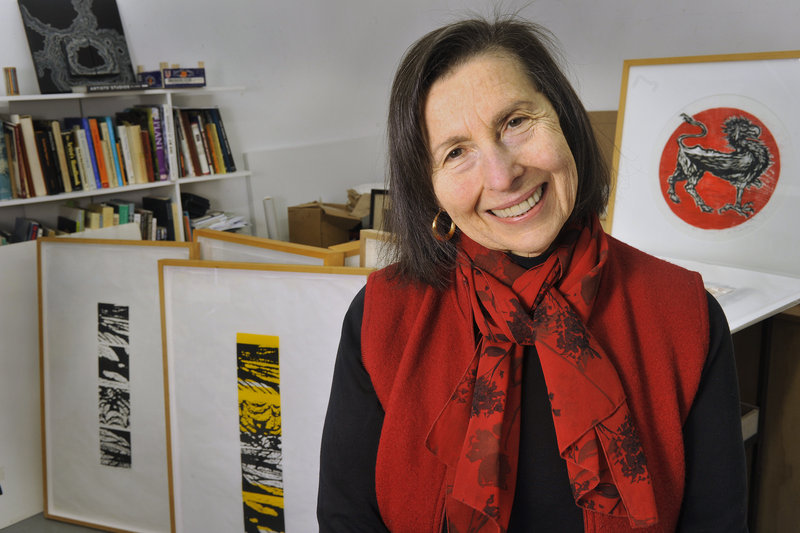
Dorothy Schwartz was born in 1938 in a Jewish neighborhood in Brooklyn.
She was too young to comprehend the magnitude of the Holocaust while it was happening. But she clearly remembers reading Anne’s Frank’s “The Diary of a Young Girl” as a teenager and thinking that she and her family could have met a similar fate in Nazi concentration camps had her Russian-born grandparents not immigrated to the United States in the early 20th century.
Additional Photos

Very likely, it was at that moment that Schwartz began thinking politically.
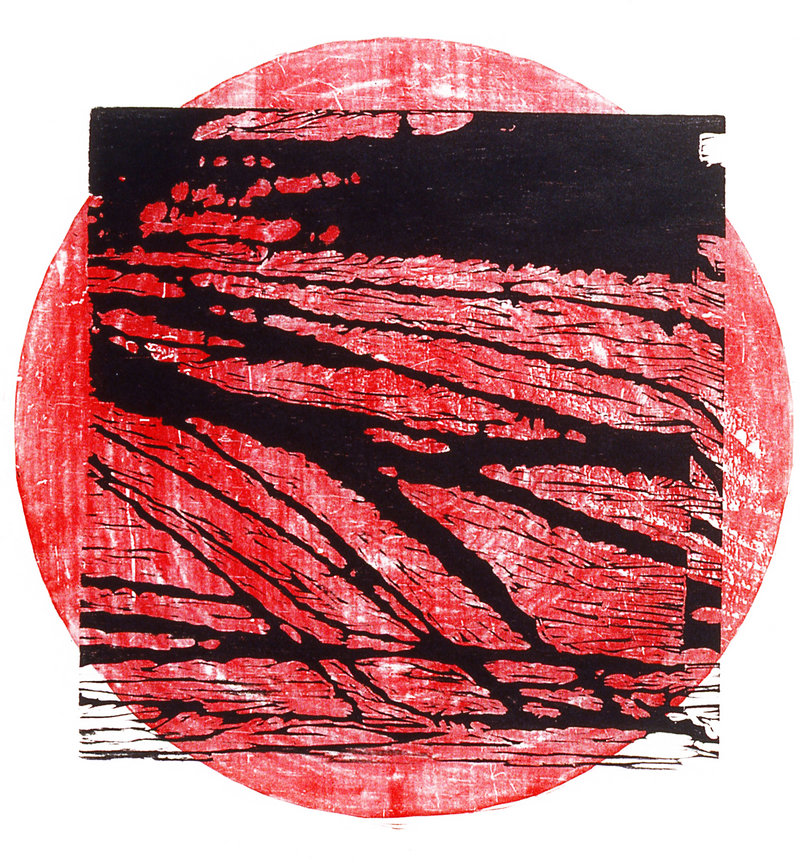
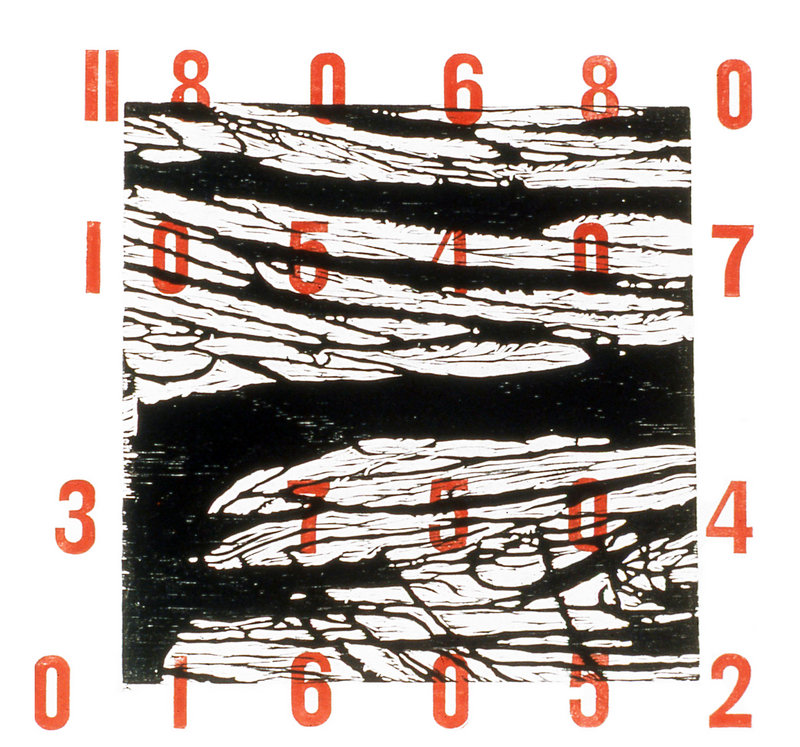
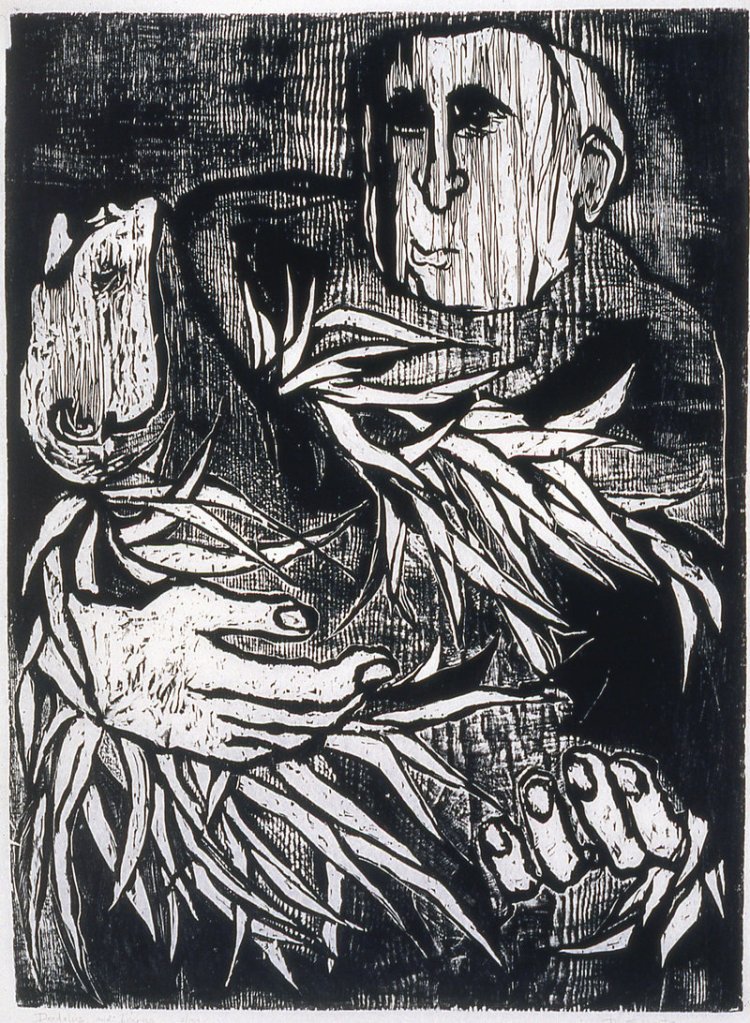
When she began making art as a student at Smith College in Northampton, Mass., in the 1950s, much of her expression was laced with political commentary. Never overt, her political sympathies with the Civil Rights and women’s rights movements presented themselves in her work. Later, images of cruelty and suffering around the globe surfaced in her woodcut prints.
The artist in her never forgot injustices and crimes against humanity.
“I didn’t set out to make statements,” Schwartz said recently as the opening of a career-encompassing exhibition at the Maine Jewish Museum in Portland drew closer. “It just has appeared because that is what was on my mind.”
“Dorothy Schwartz: Evolution of a Printmaker” opens Thursday and runs through Feb. 25. Portland curator Bruce Brown assembled the 40 or so prints in the exhibition in consultation with Schwartz.
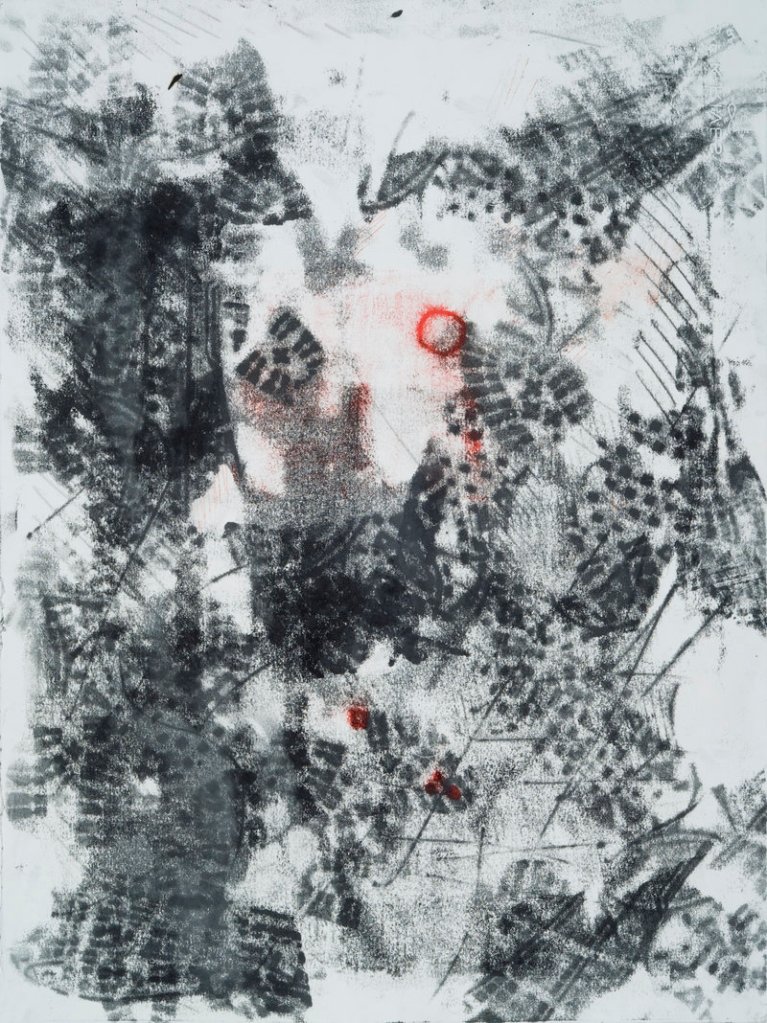
The exhibition tells the arc of a story about a determined artist, from her early days as a student at Smith College to her retirement years in South Freeport. It includes a variety of print techniques, but it is the woodcut where Schwartz is most comfortable.
“I love the woodcut for its stark directness and power to convey rich tonal contrasts through swooping lines that emerge from wells of blackness,” Schwartz writes in her statement.
She describes the process as “deceptively simple: a sharp tool carves channels into a plank of wood; ink is rolled onto the surface of the wood; paper is spread over the surface; pressure is applied to transfer the ink onto the paper, and the print that results is then pulled carefully away from the block.”
VAST OUTPUT
Schwartz, a former director of the Maine Humanities Council and a longtime member of the Portland-based Peregrine Press, learned at the helm of one the finest printmakers of the day. She has maintained a prolific, if not very public, 50-year career.
The Maine Jewish Museum exhibition is by far the largest and most comprehensive examination of Schwartz’s work to date, and should cast her profile in a different public light. The earliest work in the show is from 1957 during her Smith years, a piece she titled “Daedalus and Icarus.”
Brown, who has known Schwartz for many years, was astounded when he discovered the depth of her output.
“Although I had seen Deedee’s work, I had not seen enough of it over time,” he said. “This exhibition gives people the opportunity to get to know her work in more depth. The width and breadth of Deedee’s accomplishments is really quite remarkable.”
Perhaps the reason Schwartz’s work has received less attention than warranted is because her art-making career has been overshadowed by her career in the arts.
Schwartz was the public face of culture in Maine for more than two decades as director of the Maine Humanities Council, a position she attained in 1984 and maintained until her retirement in 2006.
She also spent much of her energy supporting her husband, classical music composer Elliott Schwartz. They married days after she graduated from Smith, and she fell happily into the role of a professor’s wife.
Elliott Schwartz’s first appointment was to the University of Massachusetts in Amherst, and the couple came to Maine when he received a teaching job at Bowdoin College in Brunswick. His career has been active and prolific, and remains so.
A GREAT MENTOR
All the while, Schwartz busied herself with her art. She made a commitment to be an artist while studying under the tutelage of Leonard Baskin at Smith. She never let go of her goal.
Schwartz joined Peregrine Press in 1993, and enrolled in printmaking workshops at Vinalhaven Press over the years.
When she saw Baskin soon before his death in 2000 at an opening in Portland, Schwartz asked if he was still making work.
“Of course. Are you still doing work, Feldman?” he bellowed, using her maiden name.
Her answer was affirmative, and she suspects that Baskin would be proud of his former student if he could see this show. “What I came to understand about Baskin was that he was not easy on those students he felt had the great possibilities,” she said, adding that he viewed her as among his promising pupils.
He pushed her hard, and demanded excellence.
Schwartz has showed her work over the years. Since 2001, she has had three shows at June Fitzpatrick Gallery in Portland. But it wasn’t until she left her post at the Maine Humanities Council that she set up a studio outside her home, taking over photographer Scott Peterman’s space at the Bakery Studios on Pleasant Street when the Bakery Photographic Collective moved to Westbrook.
Today, her studio is filled with prints from five decades. That is where Brown began sifting when he started work on this show.
After a few sessions in the studio, Brown thought he had the show assembled. But then Schwartz went home and began digging to find an elusive print that she wanted to include. She found much more work at home, and her search expanded to the Peregrine Press studio and other hideaways.
The show that Brown thought he had assembled grew into what is now Schwartz’s first true retrospective.
The volume and range surprised even Schwartz as the exhibition came together.
“I knew I had done quite a lot of work over the years,” she said, “but I don’t think I realized the sheer amount of work I had produced.”
Staff Writer Bob Keyes can be contacted at 791-6457 or:
bkeyes@pressherald.com
Twitter: pphbkeyes
Send questions/comments to the editors.

Success. Please wait for the page to reload. If the page does not reload within 5 seconds, please refresh the page.
Enter your email and password to access comments.
Hi, to comment on stories you must . This profile is in addition to your subscription and website login.
Already have a commenting profile? .
Invalid username/password.
Please check your email to confirm and complete your registration.
Only subscribers are eligible to post comments. Please subscribe or login first for digital access. Here’s why.
Use the form below to reset your password. When you've submitted your account email, we will send an email with a reset code.