




Scientists are predicting a significant bloom of toxic red tide algae in the Gulf of Maine this spring and summer, which could threaten the shellfish industry in Maine and other New England coastal states.
Sea-floor sampling for the seed-like cysts of Alexandrium fundyense, the organism that causes red tide, shows a 60 percent increase compared with the substantial bloom of 2005, researchers with the Gulf of Maine toxicity project reported Wednesday.
Additional Photos
”They cysts are the first predictor,” said Dennis McGillicuddy, a senior scientist with Woods Hole Oceanographic Institute.
What scientists cannot yet predict are the weather conditions that could transport red tide to coastal and offshore clam and mussel beds.
Last year’s bloom was moderate, but an unusual wind pattern in June and July, which caused heavy rains, blew algae to Maine coastal waters and triggered one of the most toxic blooms in history. Shortnose sturgeon died after feeding on contaminated clams — it is believed to be the first time the toxic algae has killed fish along the Maine coast.
At its peak, last year’s bloom closed 97 percent of Maine’s inshore shellfishing areas. Heavy rains, which washed high volumes of bacteria into coastal waters, also forced widespread flat closures. The Kennebec River flats were closed for more than 80 days because of rain.
Gov. John Baldacci is still awaiting a response to his request for federal disaster relief for the state’s shellfishing industry, which generates more than $50 million a year.
Darcie Couture, director of biotoxin monitoring for the Maine Department of Marine Resources and a member of the toxicity project, said no one yet knows what triggers red tide outbreaks, which occur periodically in the Gulf of Maine.
There were no problems until a major outbreak in the 1970s that persisted for the next 20 years and then waned. Red tide returned in 2003.
”We appear to be in a new phase of extreme red tide events,” said Couture.
Toxicity project scientists, funded by the National Oceanic and Atmospheric Administration, have been studying red tide for five years and making seasonal forecasts for three years, based on the sea floor samples. They also track red tide with research vessels, buoys and computer models.
The cyst bed appears to have expanded to the south, which could mean red tide will contaminate areas such as Georges Bank and Massachusetts earlier than usual.
Red tide typically begins to show up in late April and early May along the Maine and New Hampshire coasts and then expands to the south. The toxicity increases in July and August.
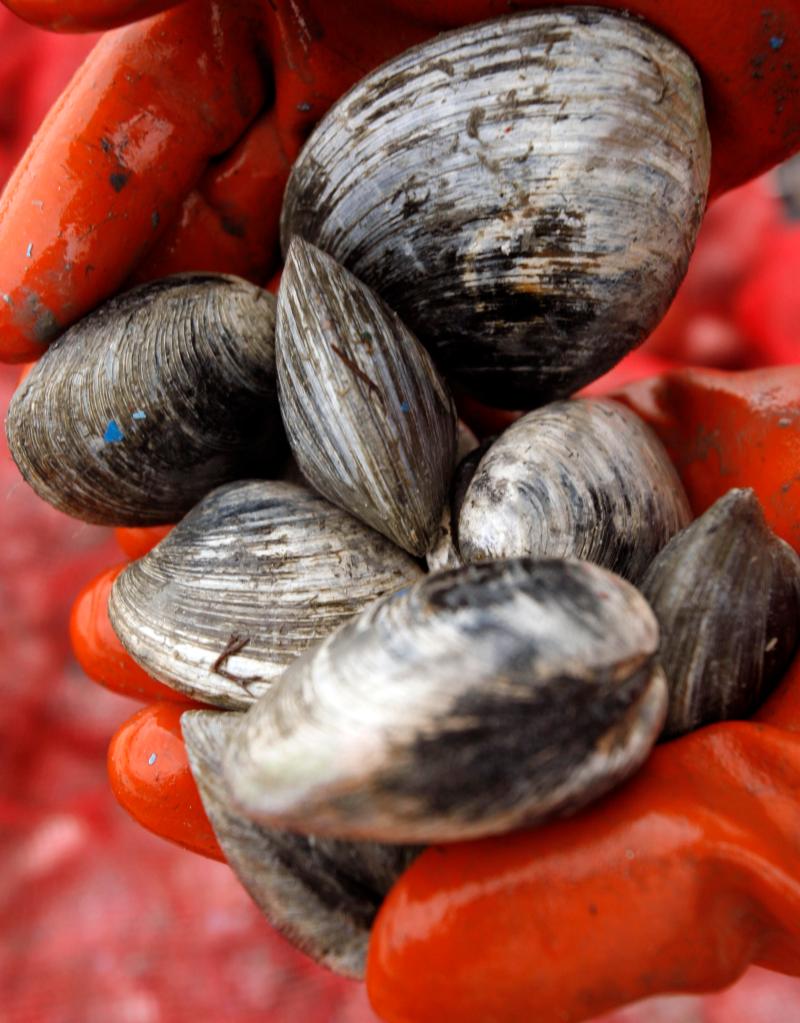
The algae pose no direct threat to humans, but the toxins accumulate in filter-feeding organisms such as clams. This can cause paralytic shellfish poisoning in humans who eat them.
The toxins are less apt to accumulate in oysters. In fact, few oyster harvesters were forced to stop fishing at all last summer, said Barb Scully, who operates the Glidden Point Oyster Farm in Edgecomb.
Still, when red tide strikes, all shellfishermen suffer, said Scully, because consumers assume that all shellfish are dangerous during a bloom.
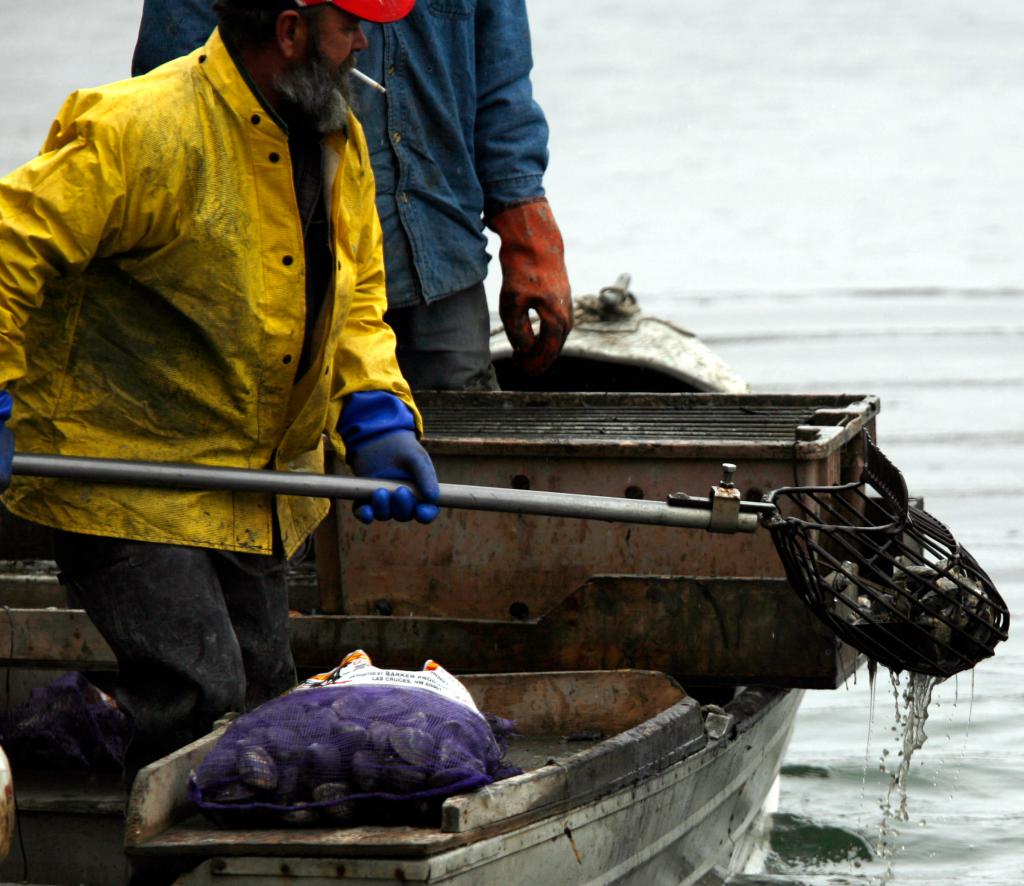
Clint Goodenow, a Freeport clammer and treasurer of the Maine Clammers Association, said red tide is actually less threatening to clammers’ livelihoods than shoreline pollution. He said despite more toxic red tide breakouts in the past few years, monitoring by the project has greatly reduced red tide closures.
”The red tide is a pain but it doesn’t kill the clams so when are you are able to go back to work the product is still there,” he said.
Staff Writer Beth Quimby may be reached at 791-6363 or at:
bquimby@pressherald.com
Send questions/comments to the editors.

Success. Please wait for the page to reload. If the page does not reload within 5 seconds, please refresh the page.
Enter your email and password to access comments.
Hi, to comment on stories you must . This profile is in addition to your subscription and website login.
Already have a commenting profile? .
Invalid username/password.
Please check your email to confirm and complete your registration.
Only subscribers are eligible to post comments. Please subscribe or login first for digital access. Here’s why.
Use the form below to reset your password. When you've submitted your account email, we will send an email with a reset code.