



COLUMBIA, S.C. – In mailboxes across South Carolina in 2007, likely Republican voters received a Christmas card signed by “The Romney Family” with a quotation from a 19th-century Mormon leader suggesting God had several wives.
Mitt Romney’s campaign, just a few weeks away from the 2008 presidential primary in a state where evangelicals look skeptically on the former Massachusetts governor’s Mormon faith, condemned the bogus card as politics at its worst. The sender never took credit. And it was just another anonymous shot in the endless volleys of nasty campaigning in South Carolina.
Additional Photos
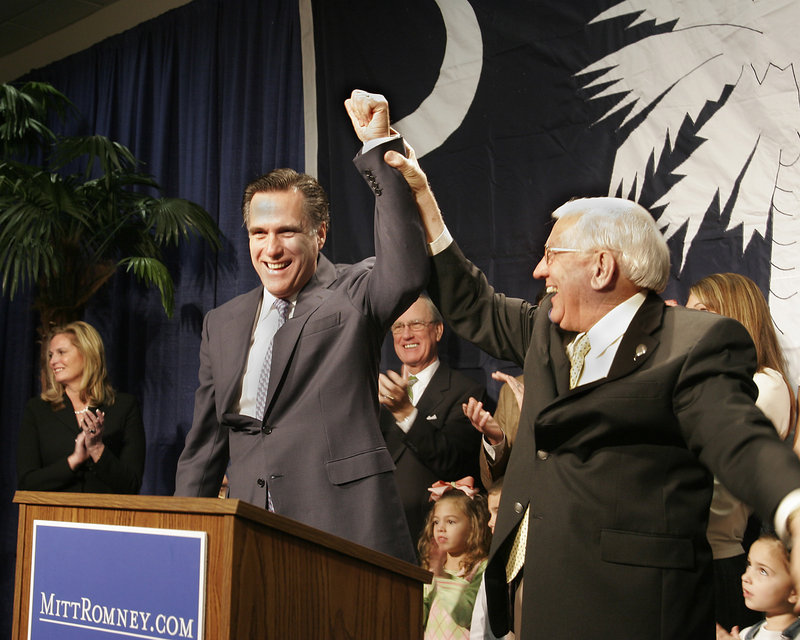
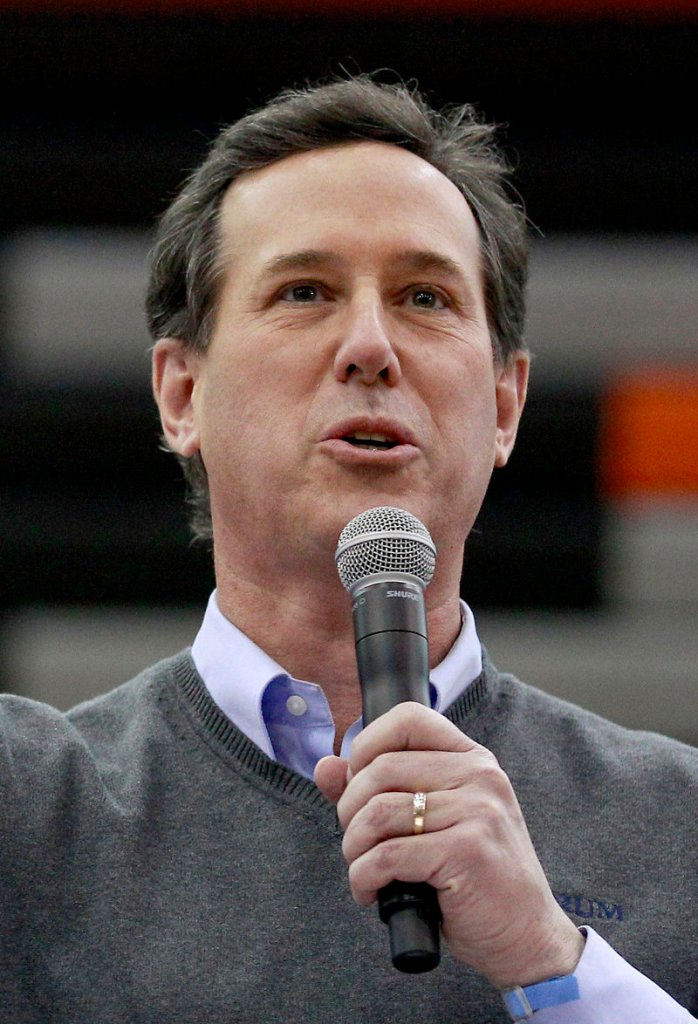
While attack politics happen in every state, South Carolina’s reputation for electoral mudslinging and bare-knuckled brawling is well-earned.
Why there? Largely because of the high stakes. South Carolina has always picked the GOP’s eventual nominee since the primary’s inception in 1980. And money, nerves and time are usually running out for almost everyone but the front-runner after Iowa and New Hampshire, often leading challengers to go for the jugular.
“The ghost of Lee Atwater hangs over South Carolina like a morning fog and permeates every part of the state’s politics,” says Scott Huffmon, a Winthrop University political science professor. Atwater, who died 20 years ago, was South Carolina’s most famous political operative and a master of slash-and-burn politics.
It’s safe to expect under-the-radar attacks over the next week as challengers work to derail front-runner Romney before the Jan. 21 GOP primary. The rise of super PACs — outside groups aligned with but independent from the candidates — means some of the attacks could be more public this time, but still nasty.
“You’ve got four guys that are make or break,” said Warren Tompkins, a veteran South Carolina political consultant advising Romney. “Desperate men do desperate things.”
Romney says he’s ready for whatever comes his way.
“Politics ain’t beanbags, and I know it’s going to get tough,” Romney said as he headed south after his New Hampshire victory.
The lore of negative attacks here includes a whisper campaign against Republican John McCain in 2000 that included rumors that the daughter his family adopted from Bangladesh was the Arizona senator’s illegitimate black child.
Those were desperate times for George W. Bush’s campaign. McCain had just stunned the establishment’s choice with a blowout win in New Hampshire, and Bush had just 18 days to turn the momentum in South Carolina. Publicly, Bush took a few shots at McCain, but mostly stressed he was the true conservative. But plenty of ugliness was happening behind the scenes.
People who attended rallies or debates found fliers on their car windshields with the accusations about McCain’s daughter and raising questions about his mental stability. Callers, pretending to be pollsters, would ask voters loaded questions about whether they could support a man who had homosexual experiences or a Vietnam hero who really was a traitor. The sponsors of the false attacks were careful to leave no trail.
Alone, none of the charges was all that believable. But their combined weight dragged McCain down.
McCain learned a lesson, and in 2008 responded quickly to almost every negative attack, winning the state’s primary.
South Carolina’s Democratic primary didn’t begin until 1992, and doesn’t have the same must-win reputation as the GOP primary, but it also gets nasty.
In 2008, former president Bill Clinton spent several days in the state campaigning for his wife Hillary and contending that Barack Obama was unelectable in part because of his race. Clinton kept reminding reporters that Jesse Jackson won the state caucuses in 1984 and 1988 and went nowhere.
Below-the-belt political attacks have a long tradition in the state, curried by political operatives like Atwater, who during the 1980s essentially built the Republican Party from scratch in South Carolina.
In 1980, Texas Gov. John Connally was strongly challenging Ronald Reagan, who had won the New Hampshire primary, when there were anonymous charges that Connally was “trying to buy the black vote.” Reagan won the state and the nomination. Later, it leaked out that Atwater was behind the racial accusations against Connally.
The rough-and-tumble politics go even further back.
Opponents of South Carolina Sen. Strom Thurmond, who served from 1954 to 2003, sometimes challenged him to fist fights after speeches early in his career because his attacks were so personal.
To be sure, negative attacks don’t always work.
Just two years ago in the GOP’s gubernatorial primary, Nikki Haley survived allegations she had an extramarital affair and won the race. The now-governor’s accuser presented cell phone records that showed they enjoyed late-night chats but no proof they had an intimate relationship.
Of course, in the world of dirty South Carolina politics, there’s a conspiracy theory: Some observers suggest the allegations were planted to get Haley sympathy and make her look stronger as she fought back.
Send questions/comments to the editors.

Success. Please wait for the page to reload. If the page does not reload within 5 seconds, please refresh the page.
Enter your email and password to access comments.
Hi, to comment on stories you must . This profile is in addition to your subscription and website login.
Already have a commenting profile? .
Invalid username/password.
Please check your email to confirm and complete your registration.
Only subscribers are eligible to post comments. Please subscribe or login first for digital access. Here’s why.
Use the form below to reset your password. When you've submitted your account email, we will send an email with a reset code.