
Robert K. Tuman of San Luis Obispo, California, is a graduate of the University of Maine, Orono. For the past 42 years he has been a risk manager and occupational health and safety consultant.
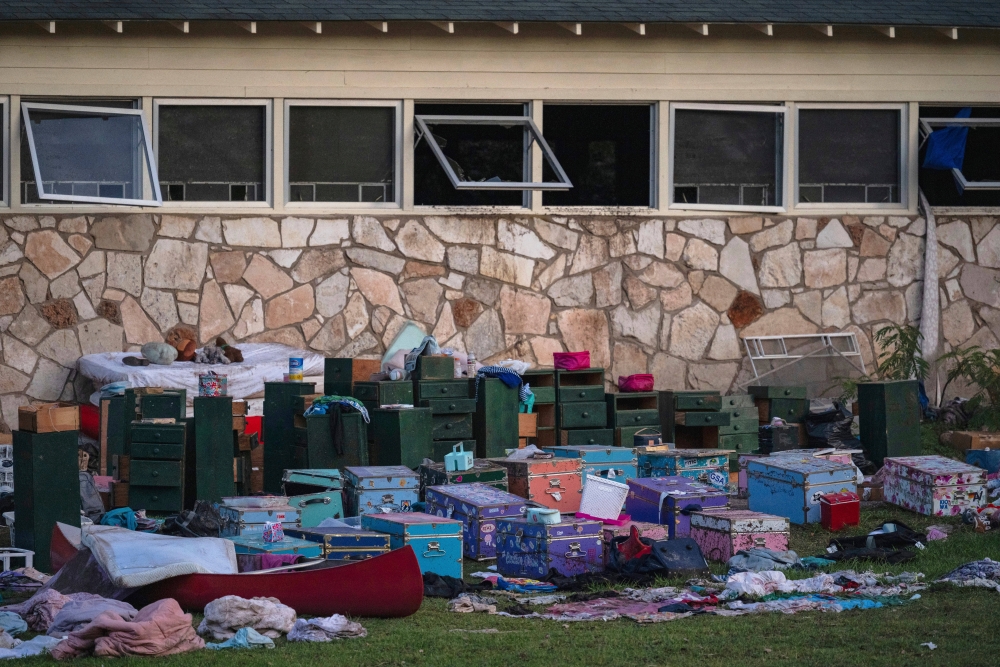
The deaths in Texas of campers, counselors and Camp Mystic’s owner on July 4, 2025, was a heart-wrenching tragedy and merits a comprehensive effort to take whatever steps are necessary to minimize the probability of this from ever happening again — anywhere.
Soon, millions of children, counselors and support staff will descend on an estimated 15,000 summer camps and 12,000 day camps here in the U.S. It is time (for that matter, it is way past time) for every camp’s owners, directors, counselors and support staff to address and readdress how their health and safety policies and procedures stand up to actual and potential health and safety exposures.
It appears clear that those camps that have not developed, implemented and executed and sustained health and safety programs and practices aimed at keeping their charges safe and healthy are now and in the future facing greater scrutiny from parents, insurers, licensing bodies and municipalities.
Over the past 40-plus years I have been and continue to be a risk manager and safety and health professional with a diverse group of clients — summer sleepover camps, summer day camps, children’s day care programs, cultural organizations, healthcare providers,
construction companies in every trade, manufacturers and virtually every type of employer.
My task was to identify and assess clients’ unique injury and illness risks and exposures, and to help them develop, implement execute and sustain health and safety programs and practices. I was as successful as my clients wanted to be successful, but I made sure they were fully aware of their actual and potential health and safety risks and exposures.
“Do I really have to do this?” I was often asked.
“No, you don’t, but the following is more likely to happen if you don’t: OSHA citations, costly illness and injury claims, increased insurance premiums, inability to secure insurance at a fair price, placement in high-risk and costly insurance programs, competitive disadvantage when bidding work and reduced productivity if employees don’t feel safe.”
As a child, I was fortunate enough to enjoy eight weeks at summer camp. Starting at age 8, my brother and I and my cousins were campers at a wonderful, well-managed overnight
boys’ camp on New Hampshire’s Lake Winnipesaukee.
My wife (who also went to overnight camp) and I followed the family tradition by sending our two daughters to another wonderful and well-managed overnight coed camp in Amherst, New Hampshire.
My brother, cousins and I felt safe, and our parents felt comfortable leaving us in the hands of our camp’s owners, director and staff. I can’t tell you why, but we did. I recall that our cousins preceded us at that camp and brought back good reviews.
And my wife and I felt safe sending our children to camp. We vetted our children’s camp before sending them. This included speaking with parents who had sent their children to this camp so as to enable us to learn and be comfortable with the safeguards and health and safety practices the camp had in place. And every summer during visiting day we asked “How do you like camp so far?” Their responses told us that, for the most part, they felt safe and were having a good time.
I’d like to weigh in on what can and should be done to minimize the probability of another tragic event. I’m going to break down my recommendations into four parts: For parents; for camps; for insurers and insurance agents; for licensing agencies and municipalities.
For parents
- Ask the camp director for the contact information of parents who have sent their children to the specified camp. If possible, ask to meet with these parents to ask
about their and their children’s experience — the good, the bad and the ugly. Should face to face not be possible, contact these parents by telephone to query
them about the camp. - Search the internet for citations related to unsafe conditions and/or unsafe practices.
- Search the internet for weather, climate conditions and unique health and safety exposures at or near your prospective children’s camp’s location.
- Request the camp’s code of health and safety practices — dated and signed by all employees.
- Request copies of the signed and dated staff health and safety orientations and
health and safety training records. - Ask what circumstances would require staff retraining and what does that consist of. Ask for signed and dated health and safety retraining records.
- Search the internet asking “What safety and health practices should summer camps have in place?” Take a look at the American Camping Association’s “The
Essential Guide for Camp Directors.” - Ask for copies of safety inspections — the camp’s inspections and those performed
by outside safety and health professionals — especially their insurers’ loss control
consultants. Further, ask for copies of corrective action(s) and corrective action plans the director and staff developed, executed and continue to execute to mitigate adverse findings. - Ask for evacuation plans, frequency of evacuation drills, signed and dated evacuation records and documented post-drill analyses. (“How did we do, and what could we have done better?”)
For camps and their owners, directors and staff
- Develop, implement, execute and sustain exposure-specific safety and health programs and practices. Exposures may and will vary from camp to camp, so management must customize and individualize these safety and health practices.
- Review safety and health practices at scheduled intervals (after each summer session or at the summer’s midpoint — at the very least) and if and when conditions change. Modify to address new, different, unusual and high-risk exposures.
- Develop and implement high-risk (i.e., large intercamp events, trips) health and safety pre-task plans and train employees, asking employees to acknowledge in writing that they have been trained, understand, and will comply with the guidelines.
- Train, train, train and retrain when staff deviate from the code of health and safety practices. Address single and repeated deviations from safety and health practices quickly and decisively.
- (Evacuation) Drill, drill, drill. Hold post-drill sessions to analyze how you did and what you could have done better. Document and share with all staff. Protect yourself with required and recommended insurance with adequate limits.
- Supervise, supervise, supervise. I’m not saying to micromanage, but make sure your staff is regularly made aware of your expectations vis à vis health and safety.
- Walk around the camp daily (and/or several times per day) to identify and correct unsafe conditions and unsafe behavior. Document these inspections and what you did to mitigate unsafe conditions and/or unsafe behavior. You can develop an inspection checklist or merely jot down your findings and corrective actions in a notebook that you archive.
- Do not tolerate repeated deviations from your health and safety rules. Cite staff for deviations from your health and safety rules. Include disciplinary action against violators — up to and including termination.
- Organize a health and safety committee comprised of management and employees. Think about also including older campers. Empower members to be ambassadors and advocates for safety and health and to be vigilant identifying, reporting and correcting unsafe conditions and unsafe behavior.
- Survey both campers and their parents to learn more about their thoughts and perspectives. Send findings to parents, accompanied by actions you have taken and will continue to take to mitigate negative findings.
For insurers and insurance agents
- Require applicants to complete an in-depth summer camp application and forward any and all health and safety-related documents, including but not limited to signed and dated staff safety and health orientations, staff safety and health trainings, internal and external (by outside safety and health professional) safety and health inspections, corrective action plans and what management did and will continue to do to minimize adverse findings and unsafe conditions and behavior.
- Help policyholders develop and implement health and safety programs and practices.
- Require at least one loss control survey before insuring a camp. Require repeat and timely (10 days or less from the most recent survey) if the loss control consultant issues “critical” recommendations. Require a written response to each recommendation, and resend your loss control consultant to verify that camp management complied in full with all critical recommendations.
- Require camp management to report incidents, accidents, actual or potential unsafe conditions and unsafe behavior and changing conditions that might or will put campers and staff at risk.
- Work with camps’ insurance agents to ensure that insurance limits are adequate.
For licensing agencies and municipalities
- Make camp health and safety a nonpartisan goal. The forementioned is not by any means a comprehensive list of mitigating actions but will certainly go far to minimize the potential of another tragic event.
- Stiffen your license requirements and delay licensing to camps that do not meet license requirements.
- Deny licenses to camps that repeatedly fail to meet or exceed your license requirements.
- Send your inspector(s) out to perform thorough inspections and conduct extensive vetting interviews with camp management. “What are you doing to protect campers and staff?” Require written replies.
- Start the process early (i.e., at least six months before camp opening) to ensure that you have allocated time to fully vet the camp.
- Carefully examine any and all health and safety-related documents, including but
not limited to Codes of Health and Safety Practices, signed and dated staff safety and health orientations, staff safety and health trainings, internal and external (by outside safety professional) safety and health inspections, corrective action plans and what management did and will continue to do to minimize adverse findings,
internal and external citations for unsafe conditions and unsafe behavior, OSHA
citations, allegations, lawsuits, and all regulatory actions against camps and camp management. - Review all insurance claims (i.e., general liability, workers’ compensation) and ask
camp management to explain what they did and continue to do to prevent recurrence. - Establish and maintain a camp registry, accessible to the public, which details unfavorable citations and inspections and exemplary and sustained attention to health and safety.
It would be a feather on the scale of health and safety if these four parties could work together to develop, implement, execute and sustain a national camp health and safety master plan.
We invite you to add your comments. We encourage a thoughtful exchange of ideas and information on this website. By joining the conversation, you are agreeing to our commenting policy and terms of use. More information is found on our FAQs. You can update your screen name on the member's center.
Comments are managed by our staff during regular business hours Monday through Friday as well as limited hours on Saturday and Sunday. Comments held for moderation outside of those hours may take longer to approve.
Join the Conversation
Please sign into your Press Herald account to participate in conversations below. If you do not have an account, you can subscribe here. Questions? Please see our FAQs.