

Looking to get out of your house this summer and enjoy everything Maine has to offer? This story is part of our in-state travel guide designed to help you find the road less traveled, eat your way across the state and make the most of summertime in Maine. Read more here.
Rustic: Mid-15th century, rustik, from Latin rusticus “of the country, rural; country-like, plain, simple, rough, coarse, awkward.” From 1580s, of persons, “having the look and manner of country folk, wanting refinement.” By 1590s of rude or undressed workmanship. By 1600 as “plain and simple, having the charm of the country.“
Given a plum assignment like exploring Route 1 for notable architecture, the grateful writer should cough up one more summer enthusiasm, and splash a seductive pulse of ink drawn from Maine’s favorite historic vacation artery. How difficult could this be? There is so much to enthuse about. One should, but in this case shall not.
A big obstacle is that verb, “should.” It brings on a grim grammatical mood, known technically I am told as the perfect modal, the subjunctive tense, used to explore a hypothetical obligation, to convey suggestion, to give advice, to impose a moral rule, or to express a wish which, if not fulfilled, may lead to remorse. All of it, and so much more, hovers like an ill fog around the expression “The Way Life Should Be,” which, in turn, circles like a mangy vulture over Route 1 in Maine.
Before proceeding one mile further, let us feel into a few of the roads not taken by the marketing executives:
The Way Life Shall Be (Maine as an innovator state).
The Way Life Might Be (Maine as a lab state).
The Way Life Would Be (Maine as a warning state).
The Way Life Could Be (Maine as a model state).
The Way Life Must Be (Maine as a blueprint state).
The Way Life Was (Maine as an museum state).
The Way Life Is (Maine as a state of enlightenment).
Any one of these would be a big improvement, especially that first one. Imagine “shall” on the welcome sign over the Piscataqua River Bridge! A bold prediction, a betting of the farm, an emblem of collective self-esteem, an unshakable affirmation. Instead, with the brooding subjunctive, we have guilt, uncertainty, plus a seeping sense of shared failure. Should, should if only…what? If only we were richer? Poorer? Nicer? More patient? Harder working? More crafty? More courageous? Wiser? Whatever it is, we cannot have it. We may, however, visit.
For almost exactly 100 years, people have been driving northward on Route 1 into and through Maine in order to pay a visit to this particular “should.” They came in part because Henry Ford — who appreciated Maine and owned summer property on Mount Desert Island — built his Model T on an assembly line in 1909. The famous efficiency of this process drove unit costs down to $290 per car by 1925, the year before Route 1 opened for business in Maine. Route 1, in turn, invited newly minted middle-class drivers from Boston, Philadelphia and New York to steer themselves onto another kind of conveyor belt and head north into the wilds of Vacationland (officially embraced by Maine in 1936). They, like Ford himself, were sometimes called the “rusticators.”
Their predecessors were wealthy industrialists who arrived by steam or sail throughout the 19th century and early 20th. They were enterprising middle class drivers who came to spend their leisure time and money in exchange for a medical procedure, a cure for the ills of the cities.
At its birth, Route 1 was part of a larger, slightly desperate campaign in Maine to promote summer tourism as a vital revenue stream. Between 1914 and 1935, the state invested upwards of $135 million to build highways and “trunk lines.” This large expenditure of resident taxpayer dollars for the convenience of nonresident visitors was controversial. Affluent vacationers from Boston might have the means to drive a scenic coastal road, but just 3% of Mainers owned cars when Route 1 opened and most of their trips were inland. Maine Sen. Osborn of Pittsfield called the highway investment plan “rash and uncalled for,” but this was a minority view in Augusta. The gamble paid off in terms of tourist income, then and now. By 1956, when I-95 opened a faster north-south corridor, Route 1 was handed over entirely to local traffic and those nostalgic visitors who wanted a slow, winding trip.
What does that make Route 1 now, 70 years later? An artifact? A souvenir? An index? A lobster trap? A self-parody? Summer theater? A ventriloquist’s side show? The answer surely depends on how you use it, and what you feel deep in your heart about the goose that lays the golden eggs. Has this goose robbed Maine of her essence, her true identity and her sanity? If so, then she is a parasite, a robber and a blight. Has she saved Maine from irrelevance and economic ruin? If so, then she is a lifeline, a gift and a balm. The phoenix which swooped during the Depression to carry Maine to safety. Either way, Route 1 is her self-portrait and its painterly style is “rusticated.”
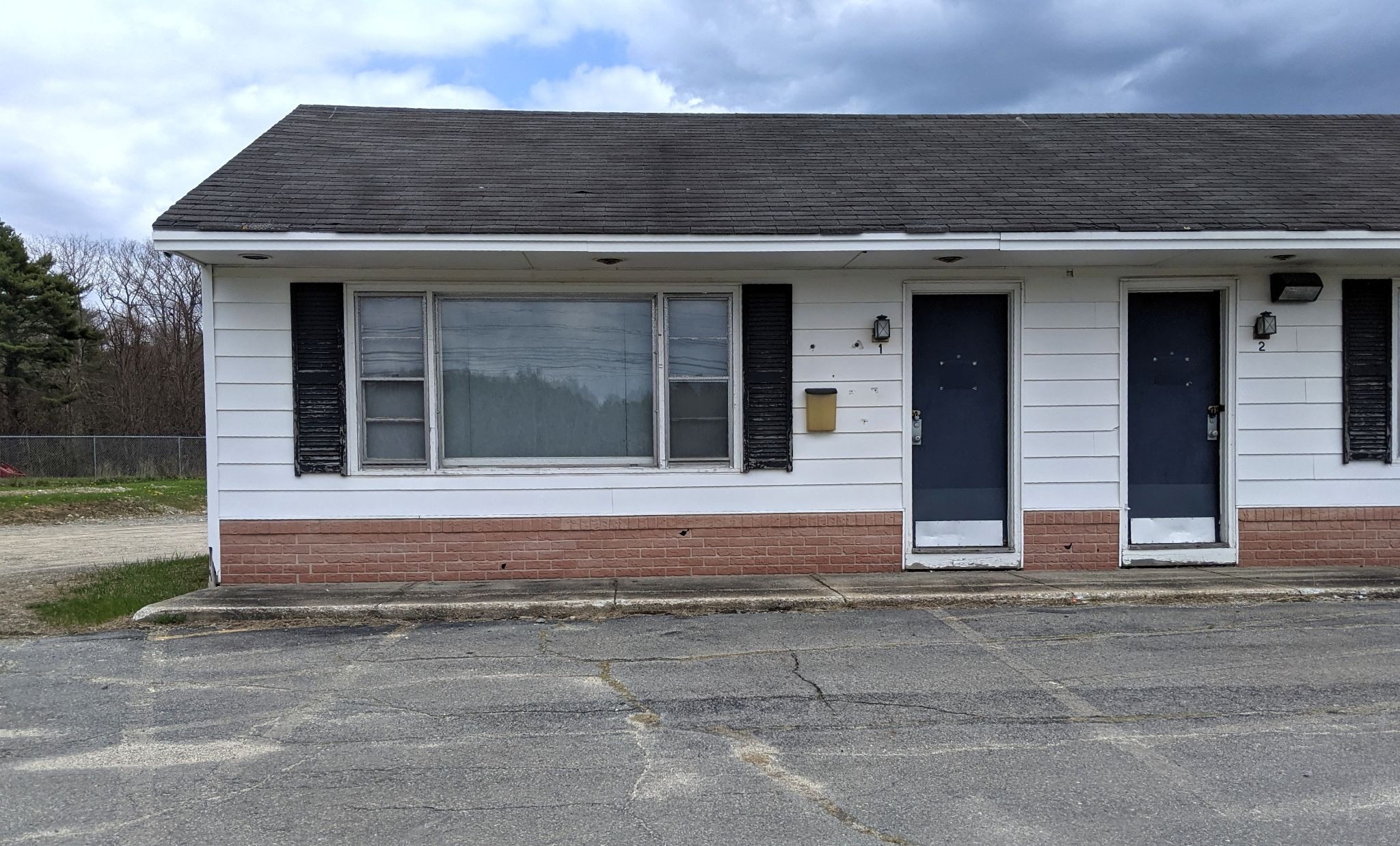
Heading north from Portland, an early encounter along Route 1 happened at the picturesque Maine Idyll Motor Court just outside of Freeport.
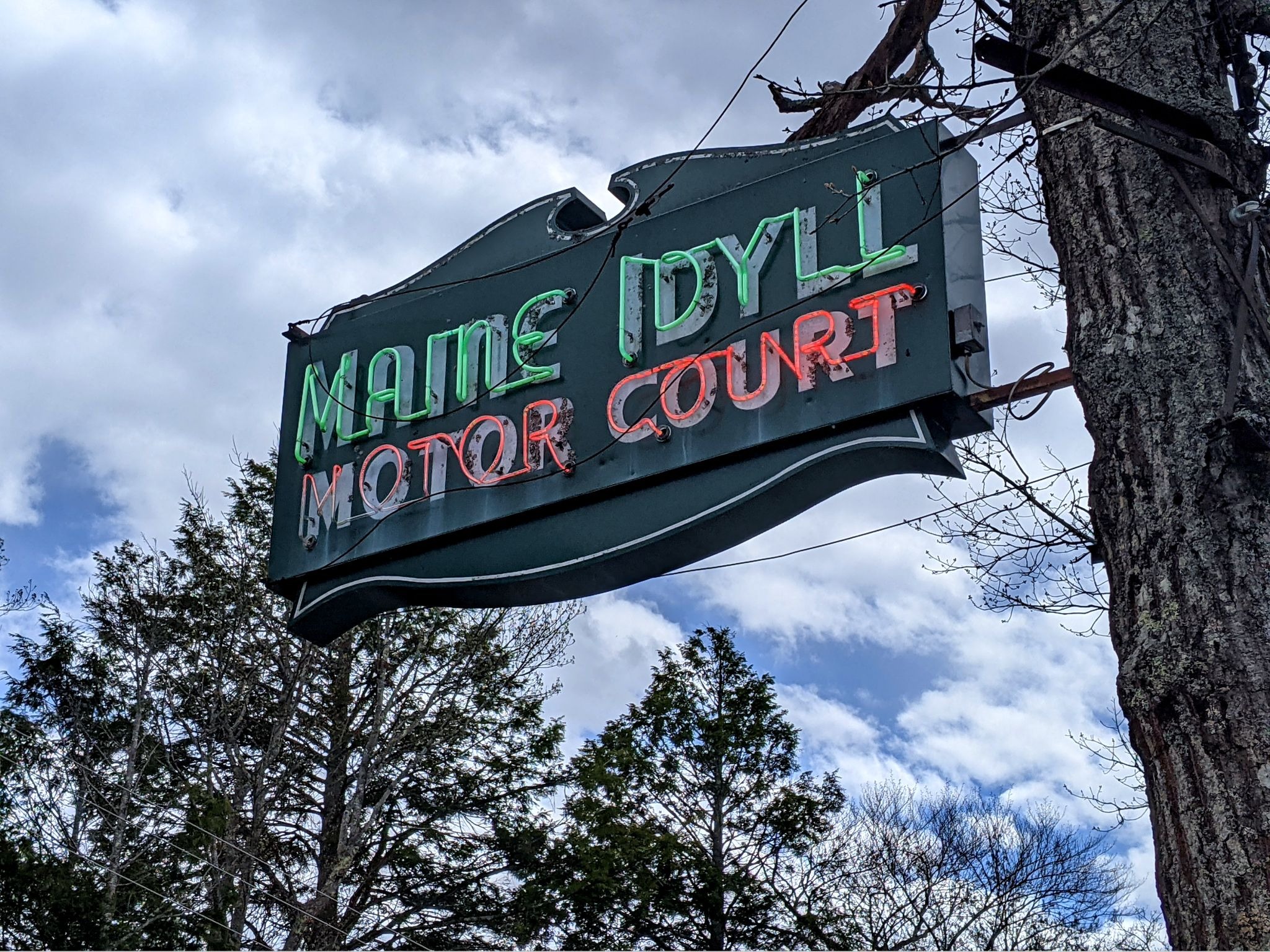
This is an assembly of 20 miniature motel cottages that dates from the mid-1930s.
The format is familiar to this region — a generously spaced collection of freestanding little houses, each with its own kitchen, living area, porch and fireplace — forming a sort of simulated town or village in miniature. Perhaps today’s equivalent is the RV, which allows a casual traveler to bring along all the features of home. The Maine Idyll is clearly superior, though, for its rustic charms, its social opportunities and its celebration of a certain kind of simplicity.
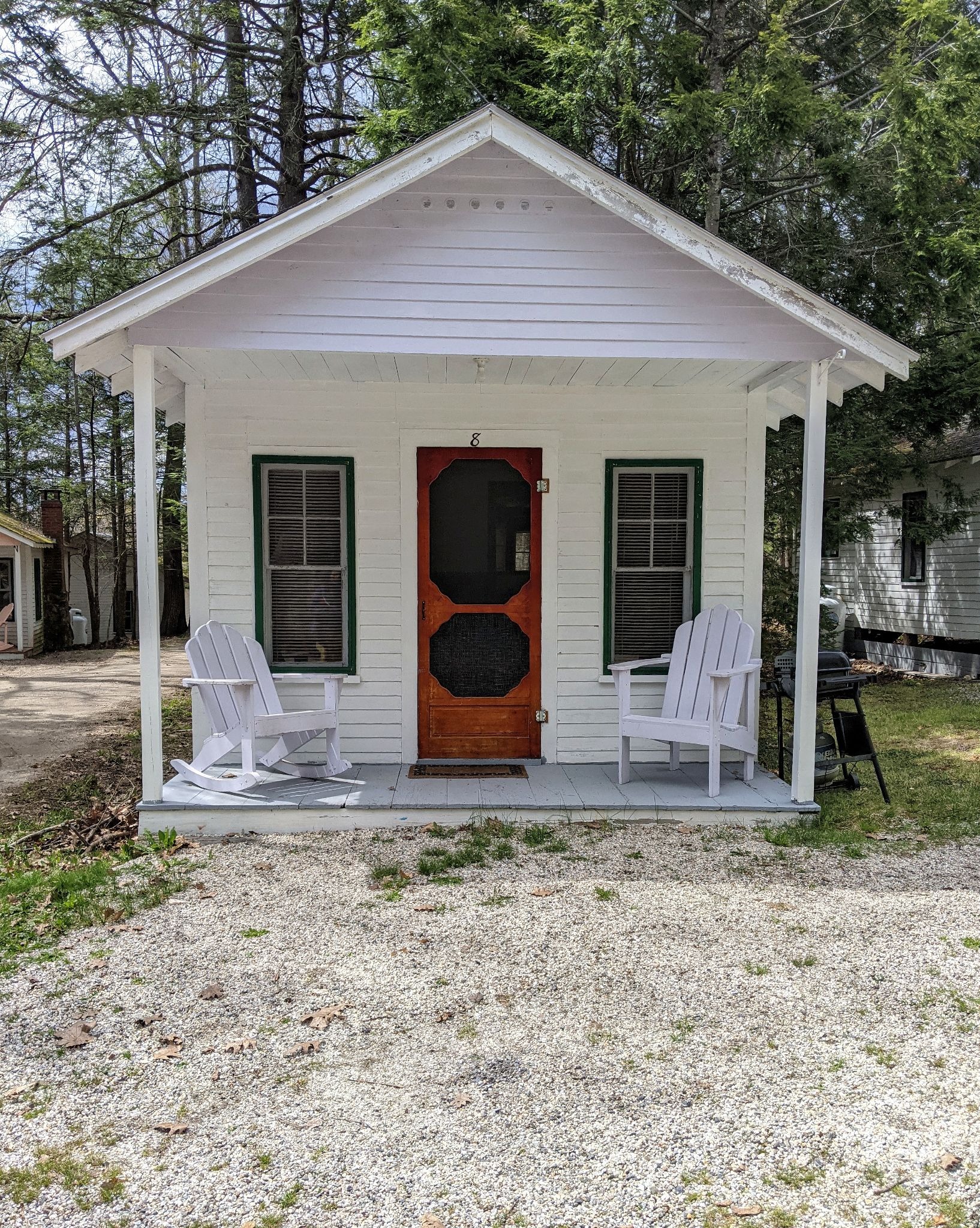
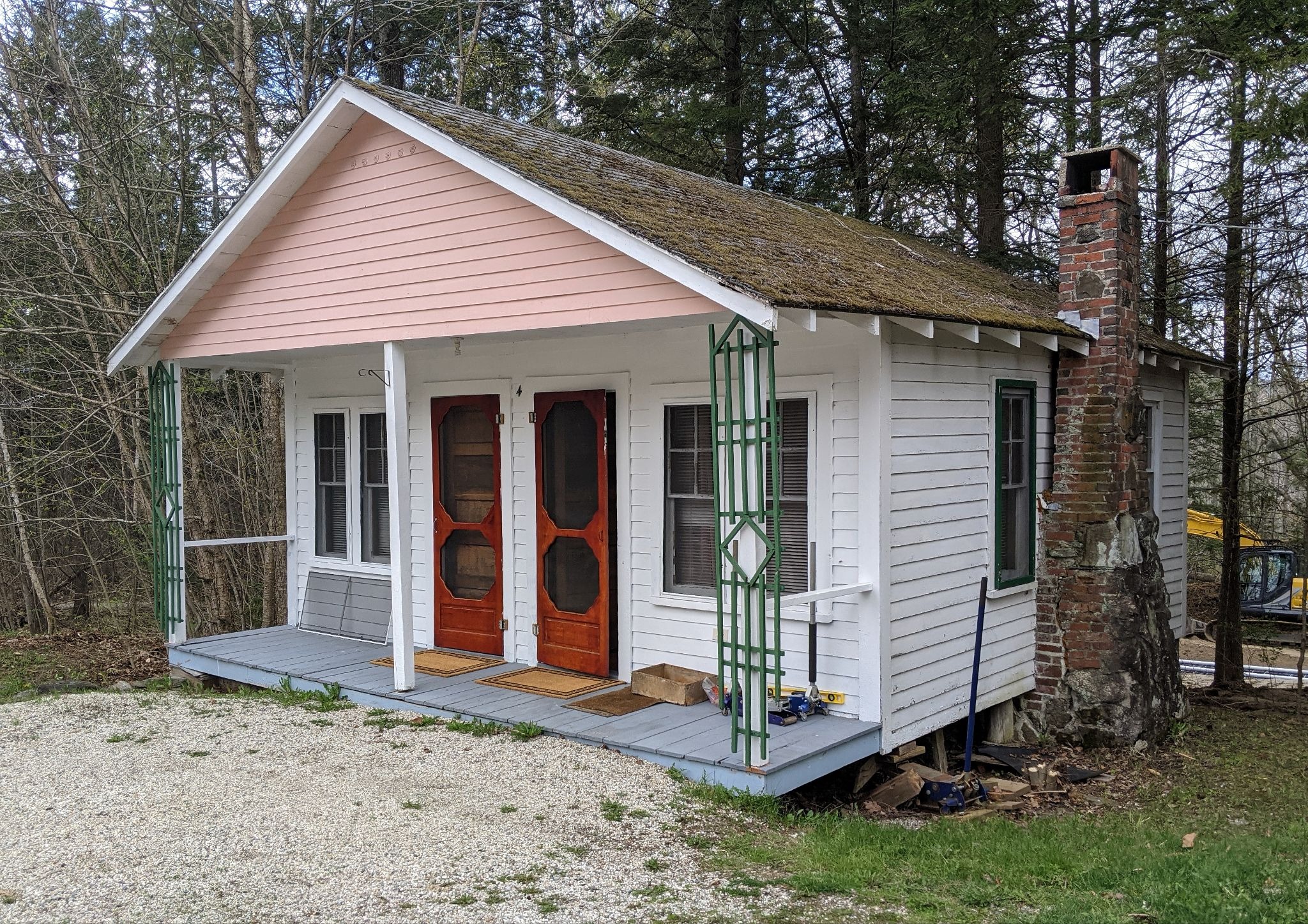
Here we have a forceful example of “should,” no doubt: some fictional, and delightful, idea of life in the woods, gently whittled down to its core essentials, but not neglecting basic needs and rituals, associations and comforts.
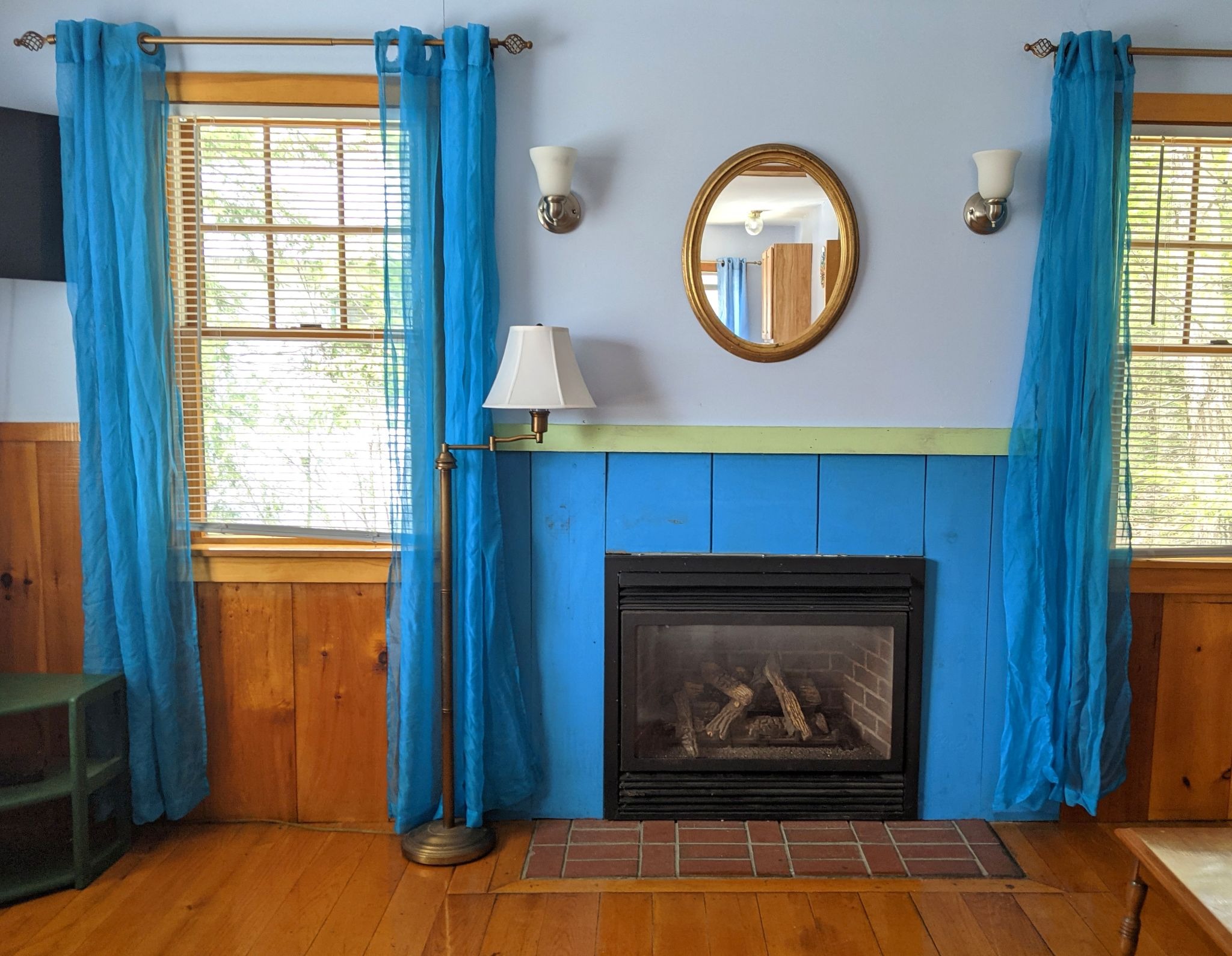
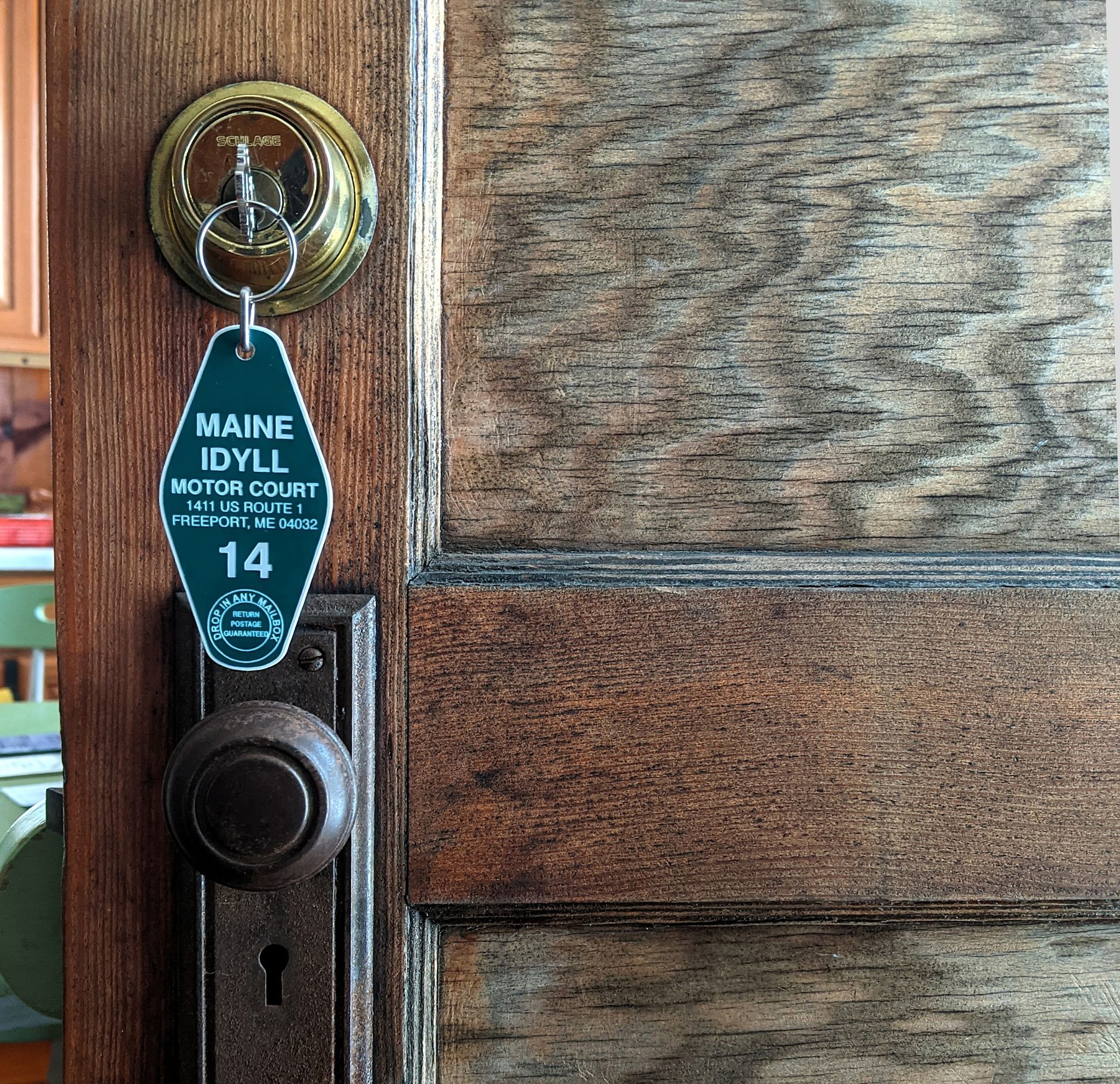
The design approach, a sort of time capsule from the 1940s and ’50s here, is far from the impersonal corporate broom closet of current hotel rooms, but rather a hypothetical rendering of your very own house – as it should be. A projection; a memory; a suggestion; an idyll; a longing.
This utopian motor court language is spoken by many along Route 1, and in several dialects. One nice specimen has been, ominously in my opinion, translated into a self-storage business, with hardly noticeable adjustments to the structures themselves.
Can it be that Maine’s cottage motel was self-storage this whole time, just called by a different name? These are deep philosophical strands, and I think it is better just to motor on. It would be difficult to drive 10 miles on Route 1 without passing some sort of self-storage situation, always lonely, always ugly and a bit sad.
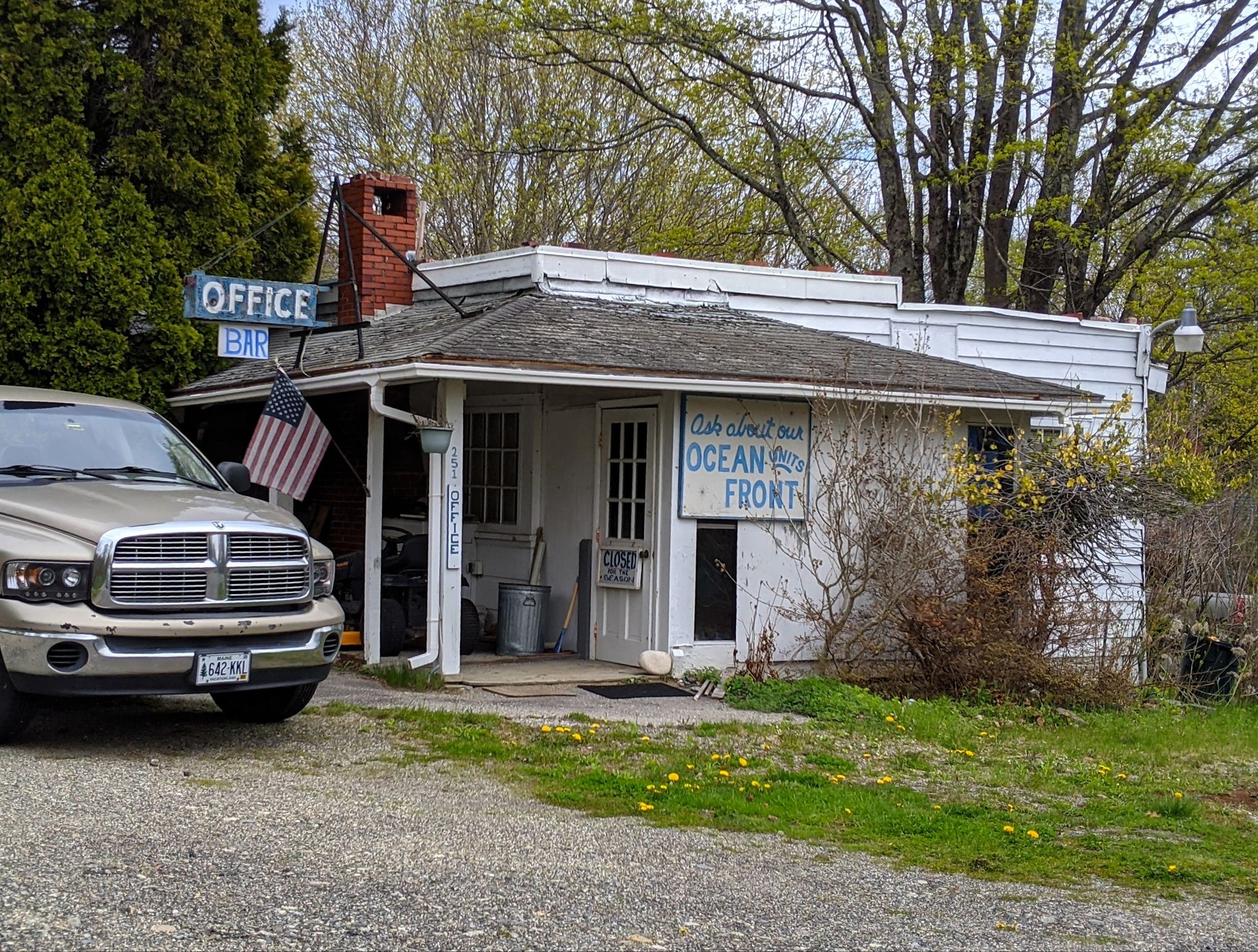
Further north, near Camden, another dispersed motor court has gone to seed, and is in the hands of what appears to be a regionally recognized sculptor. The former office, which may be the artist’s residence, bears all the signs and symbols of a very different touring era:
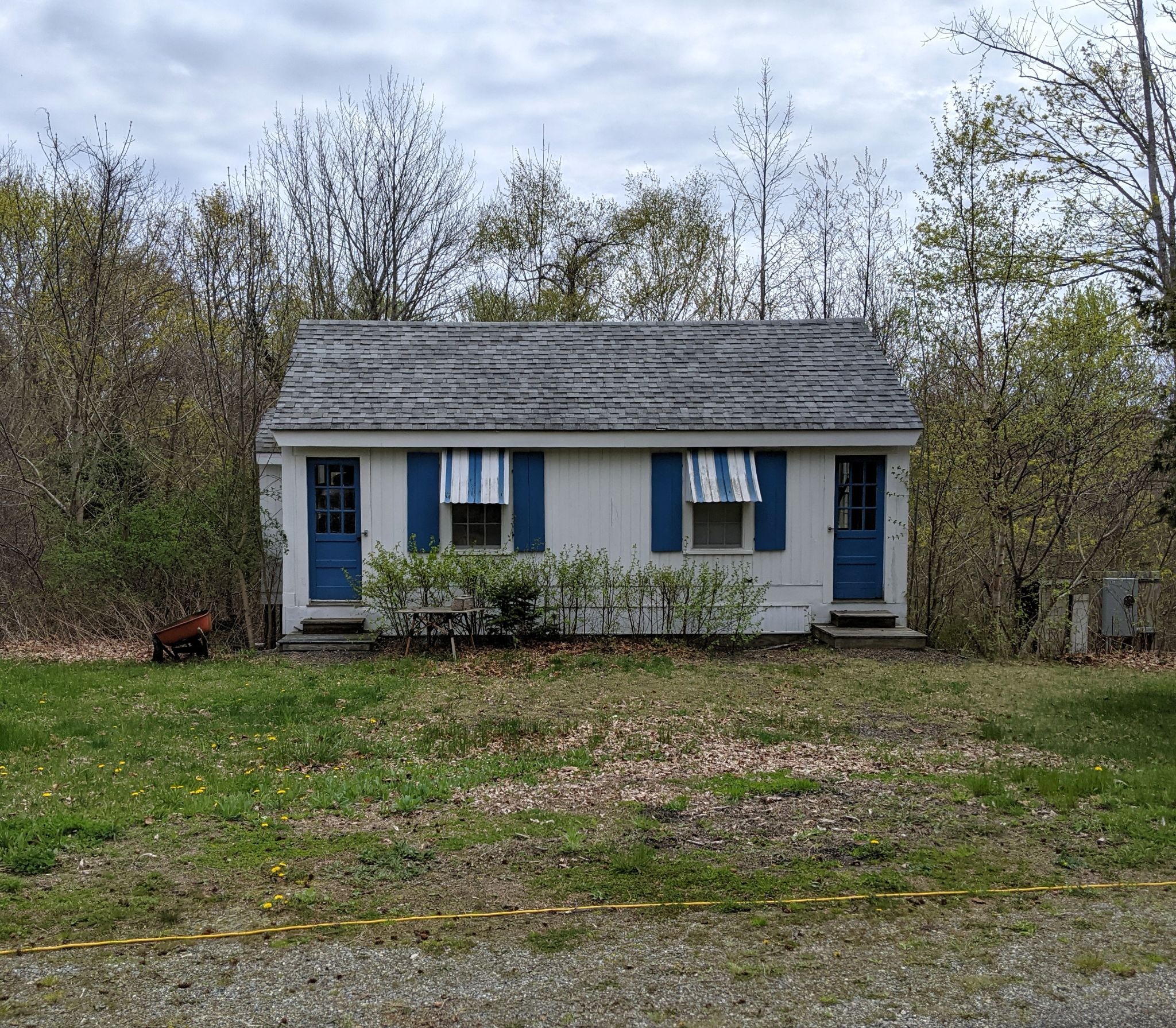
Nearby, a new owner has rebuilt fancy shoreline cottages for short-term rent on the footprints of the former:
Handsome, spacious, and filled with heat pumps and shiny appliances. Old or new, active or abandoned, it is the details like chimneys, shingled roofs, lawns, shutters, awnings and front stoops which seem to go out of their way to proclaim something about an imaginary, or at least quite slippery, American domestic ideal.
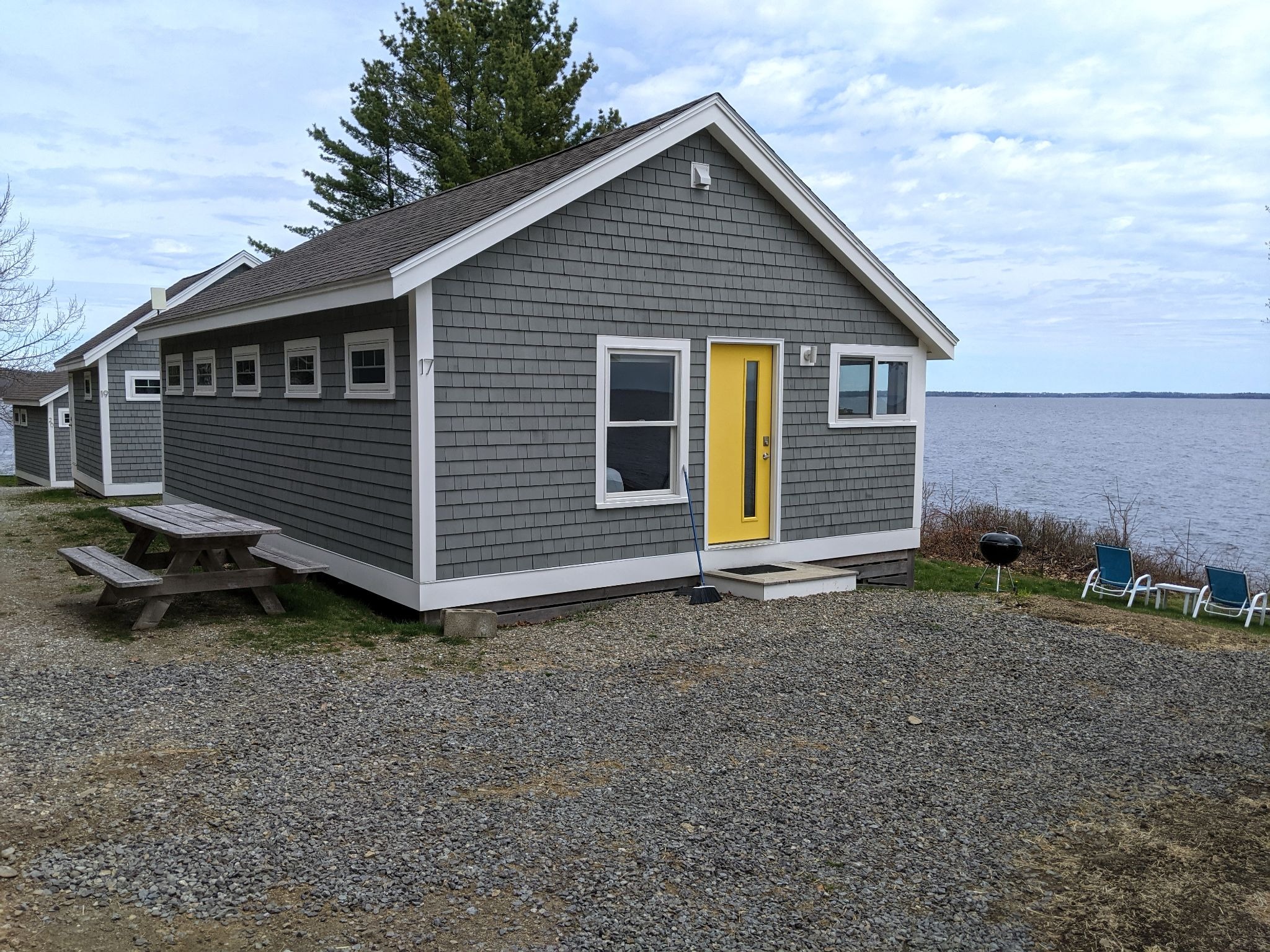
On this score, while the Maine Idyll is a working motel, it is also a short, rustic poem meant to convey a “little picture” of rural life. It is next-door neighbor both to the “idle” and the “ideal,” with a suggestion that a model American life might be some kind of cozy combination of the two. The model that these motel miniatures imitate is Maine’s “carpenter Gothic” coastal cottage. This architecture, too, was the stuff of seasonal fantasy, but it still occupies an important and revered spot in the history of vernacular building in Maine – the grand, lost tradition of architecture without architects. These types of historic Maine houses are visible in profusion along Route 1, happily, but never more impressive and harmonious than in Northport’s Bayside, where luck and local stewardship have preserved a near-perfect array of houses built for well-heeled summer rusticators.
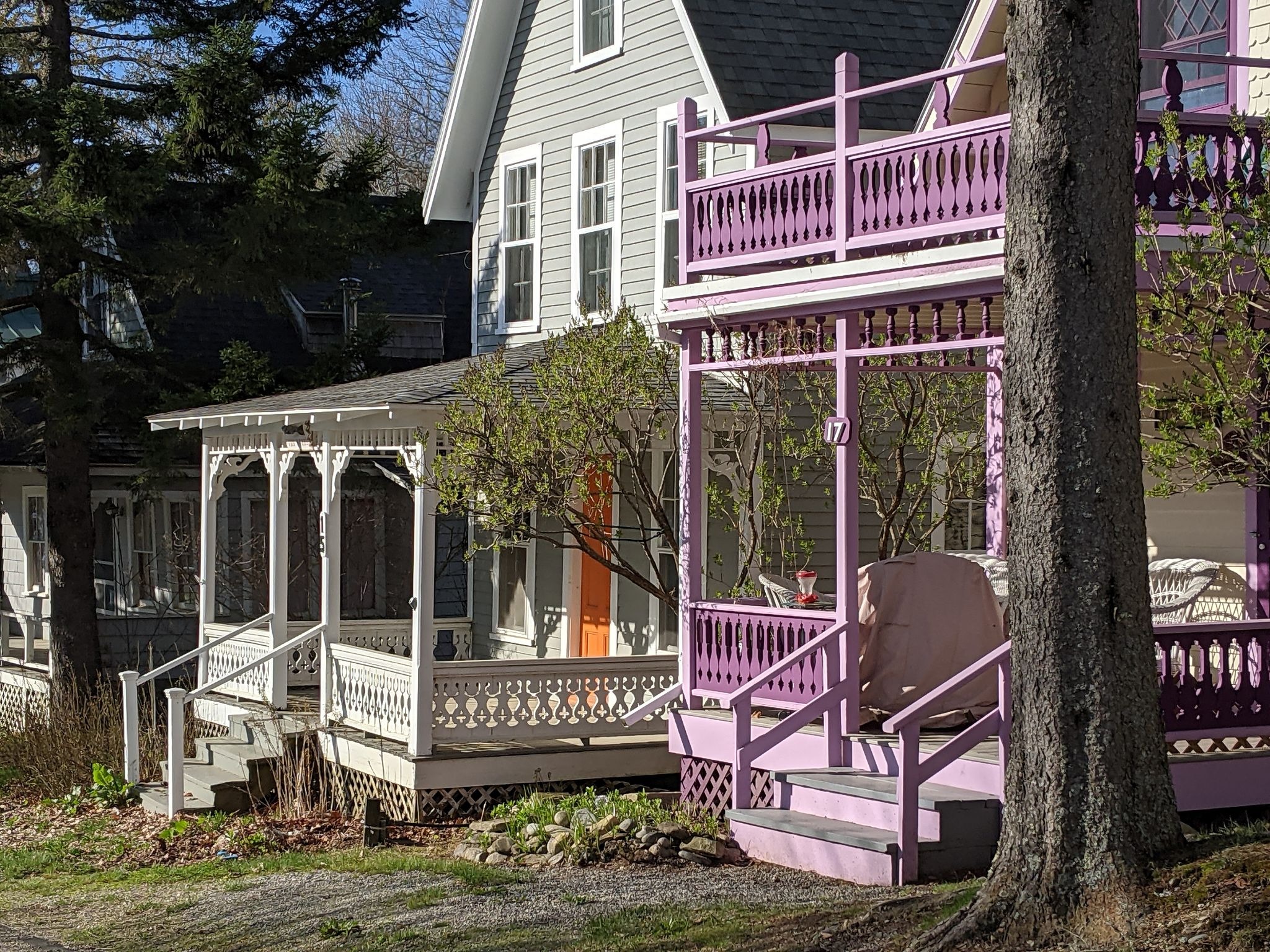
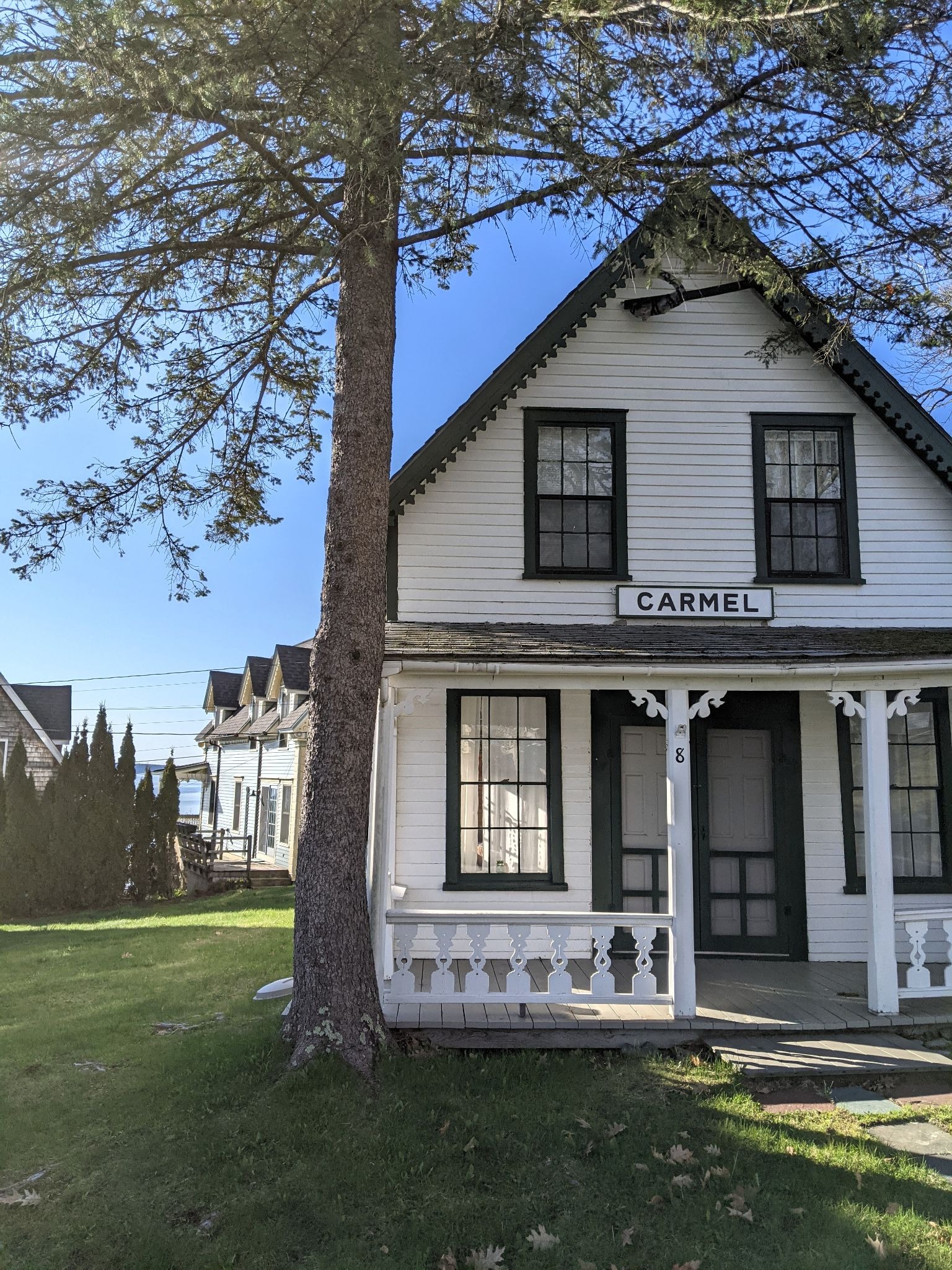
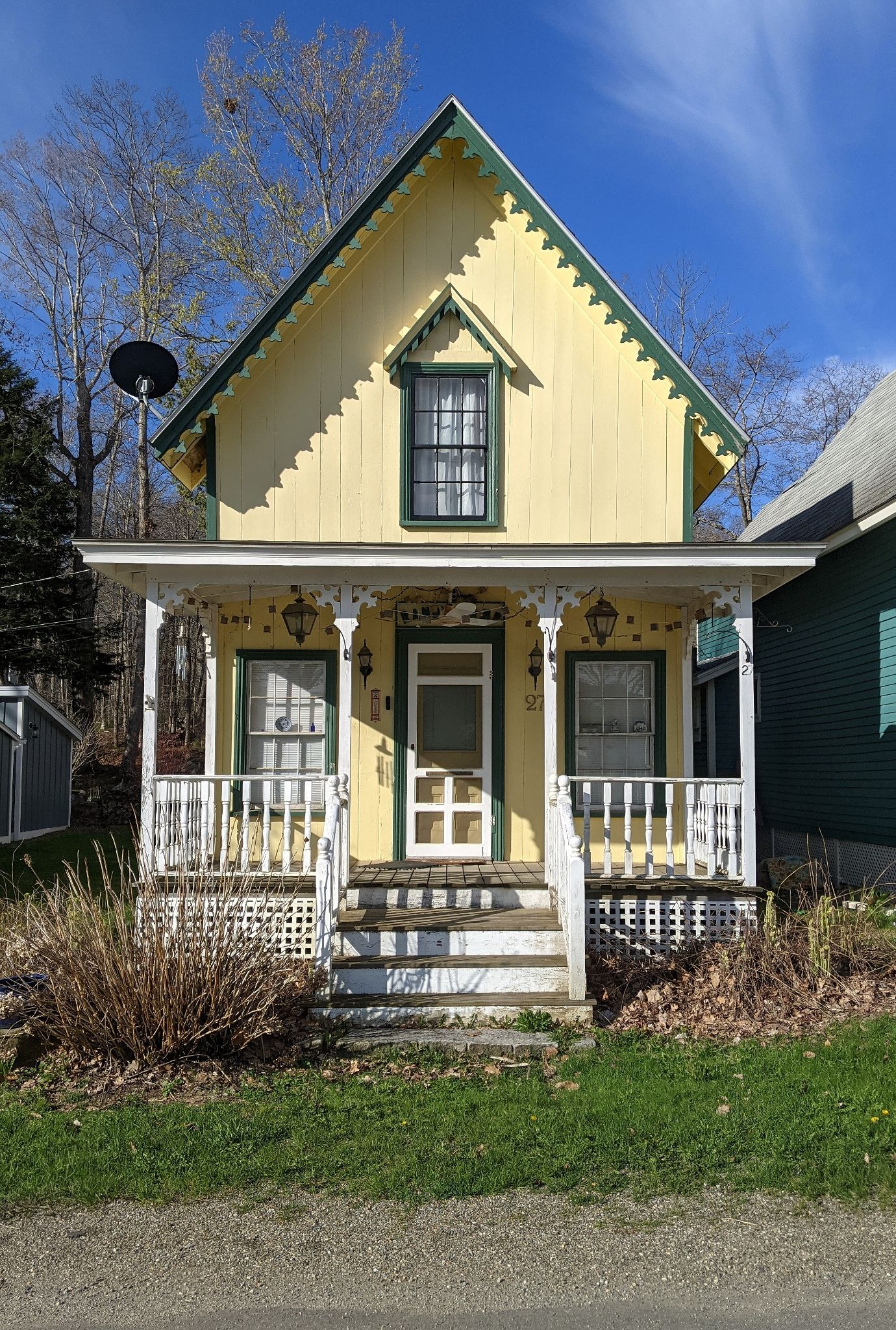
Treasures upon treasures, some of which you can stay in yourself in order to get a better sense of this highly curated, principled summer community in Maine. A large part of the thrill of Route 1, as I see it, is the reliable shock of tempo shifts.
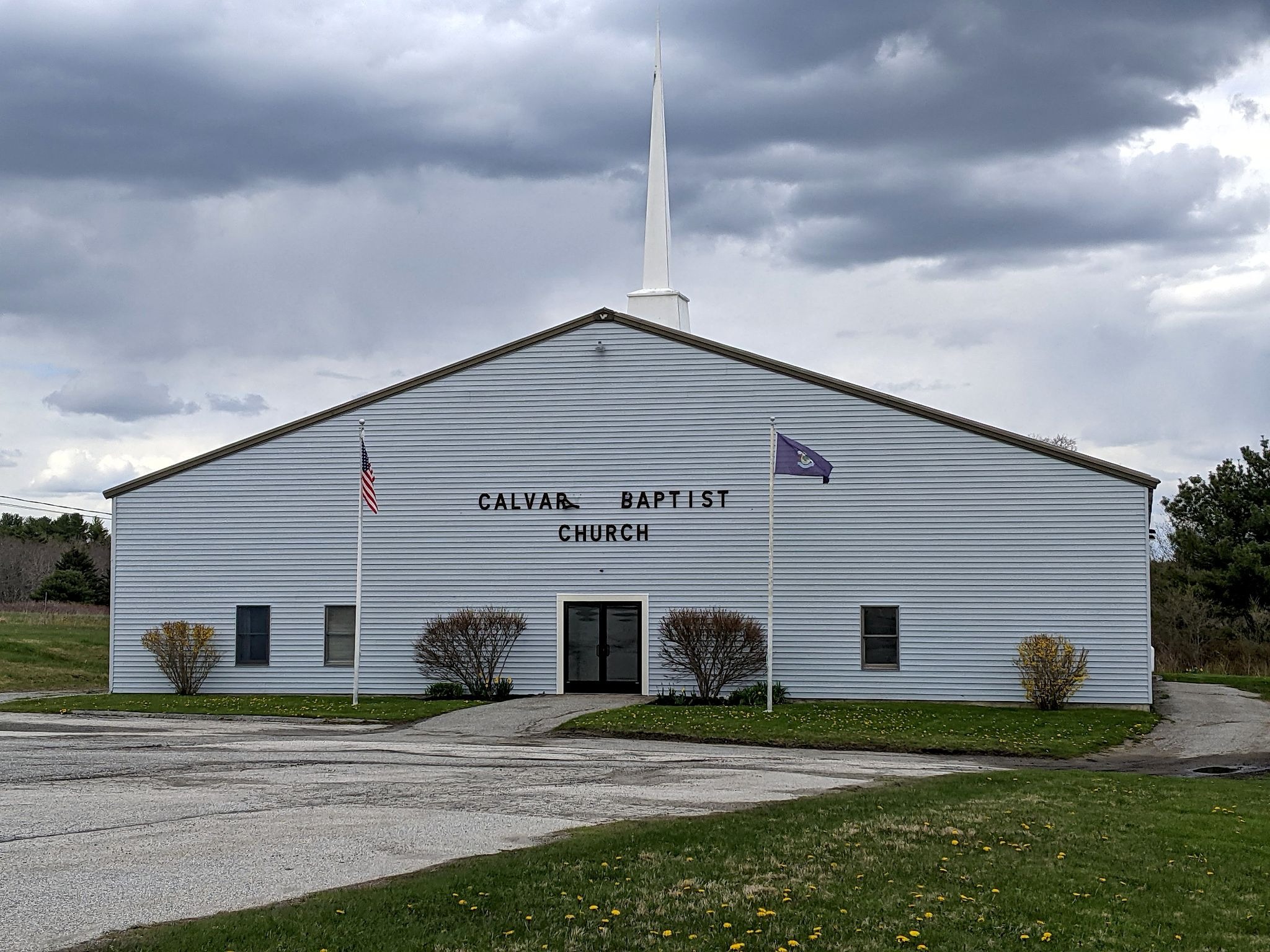
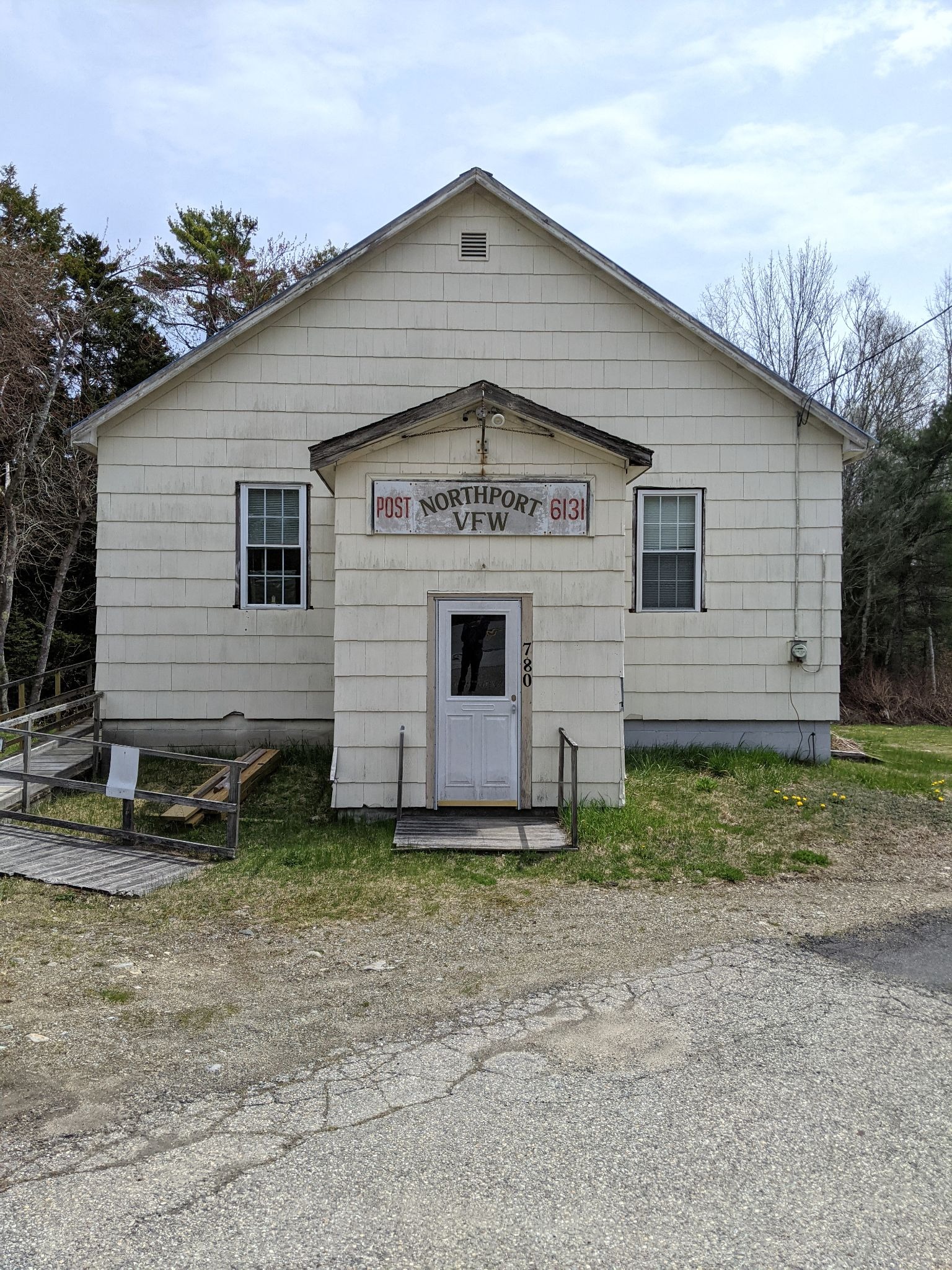
One moment you seem surrounded by a perfected world made with intention by persons perhaps not unlike yourself. The next, you are jarred awake by the trials and struggles of everyday life for Maine residents who are here and have long been here, regardless of the could haves, should haves and would haves.
Jon Calame holds a master’s degree in historic preservation of architecture and is a Fellow of the American Academy in Rome. This column is free to access through support by The Dorothea and Leo Rabkin Foundation.
We invite you to add your comments. We encourage a thoughtful exchange of ideas and information on this website. By joining the conversation, you are agreeing to our commenting policy and terms of use. More information is found on our FAQs. You can update your screen name on the member's center.
Comments are managed by our staff during regular business hours Monday through Friday as well as limited hours on Saturday and Sunday. Comments held for moderation outside of those hours may take longer to approve.
Join the Conversation
Please sign into your Press Herald account to participate in conversations below. If you do not have an account, you can subscribe here. Questions? Please see our FAQs.