


NAPLES — Keith and Carol Hegedus have made their campsite at Sebago Lake State Park feel like home.
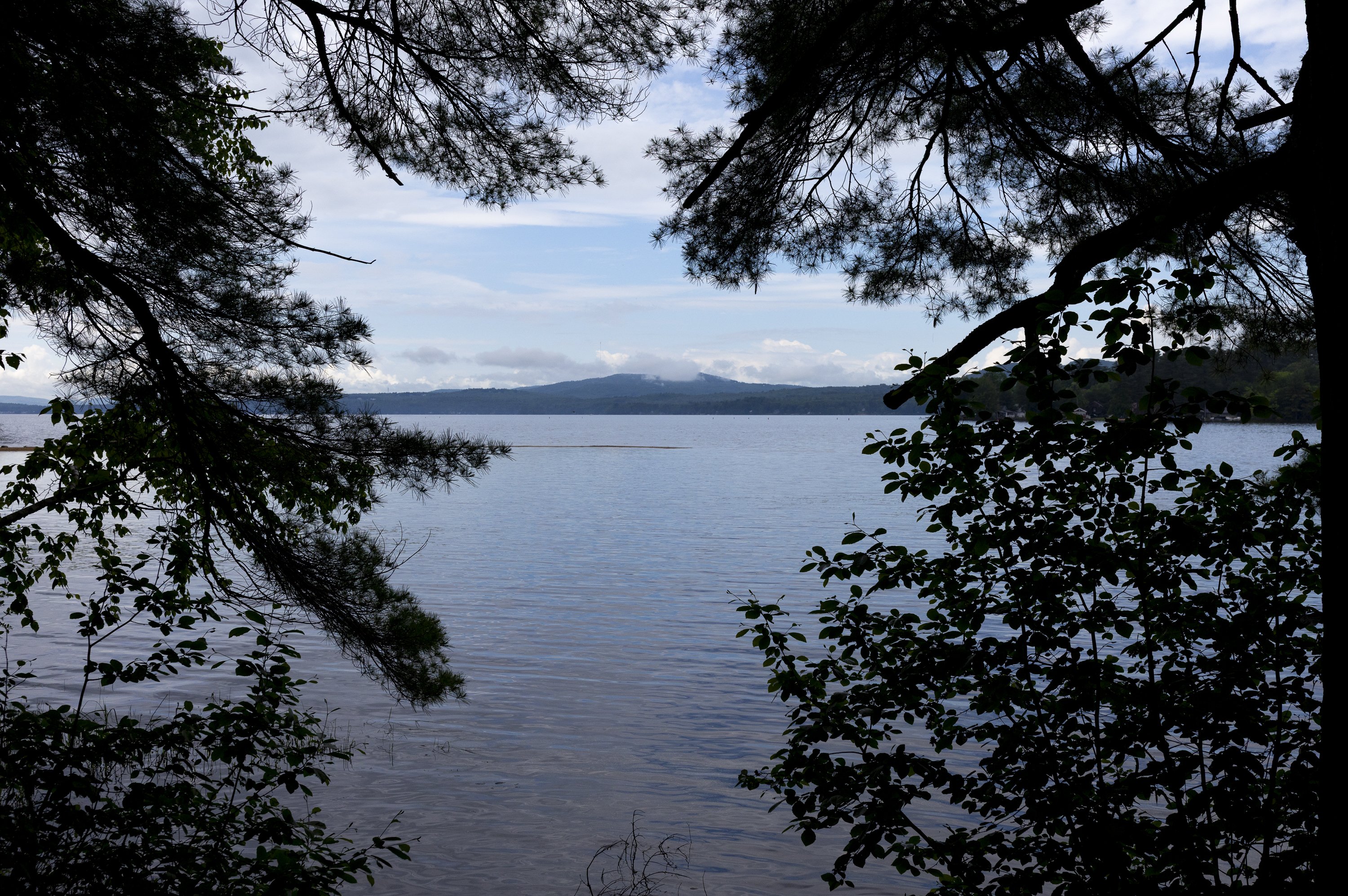
There’s a thriving tomato plant and several pots of flowers next to their RV. They hung a large American flag and a smaller red-white-and-blue one that honors the country’s 250th birthday. A little pinwheel caught the breeze off the water, which was visible across the road through lush green trees.
“It’s hard to get up to see this in the morning,” Keith Hegedus quipped.
The site feels like home because it is — until October, at least.
The couple technically live in North Carolina, but they spend as much as three-quarters of the year on the road as volunteer campground hosts. This summer, they arrived in Maine at the end of April and will stay at Sebago Lake State Park for free for the season. In exchange, they will each do 20 hours a week of labor, such as cleaning bathrooms or painting picnic tables.
Twelve campgrounds in Maine, from Aroostook State Park in Presque Isle to Lily Bay State Park in Greenville to Camden Hills State Park, have volunteer hosts. Some have just two or three.
Sebago Lake State Park, the largest campground with more than 250 sites, has 12 spots for volunteers. Park Manager Donna McGraw said she’s still trying to fill some of the 24 paid positions for this summer, and the hosts are critical to a positive camper experience.
“We just do not have the staff,” McGraw said. “Our park wouldn’t look like it does, that’s for sure.”
Who becomes a campground host? Retirees, mostly.
The Hegeduses, both 75, said they don’t mind the tight quarters of their 25-foot RV. They’ve been married for 52 years, after all. Before they retired, she was a case manager for workers’ compensation claims, and he worked in research and development for a textile company.
After the COVID-19 pandemic, they took a big road trip around the country. In South Dakota, they got to talking with a woman who was serving as a host. She told them that people travel the U.S., trading labor at state parks for extended stays. When they wanted to go to Florida that winter, they applied and got a host spot at Hontoon Island State Park. (One day, their volunteer coordinator pulled up with another host — the woman they met in South Dakota.)
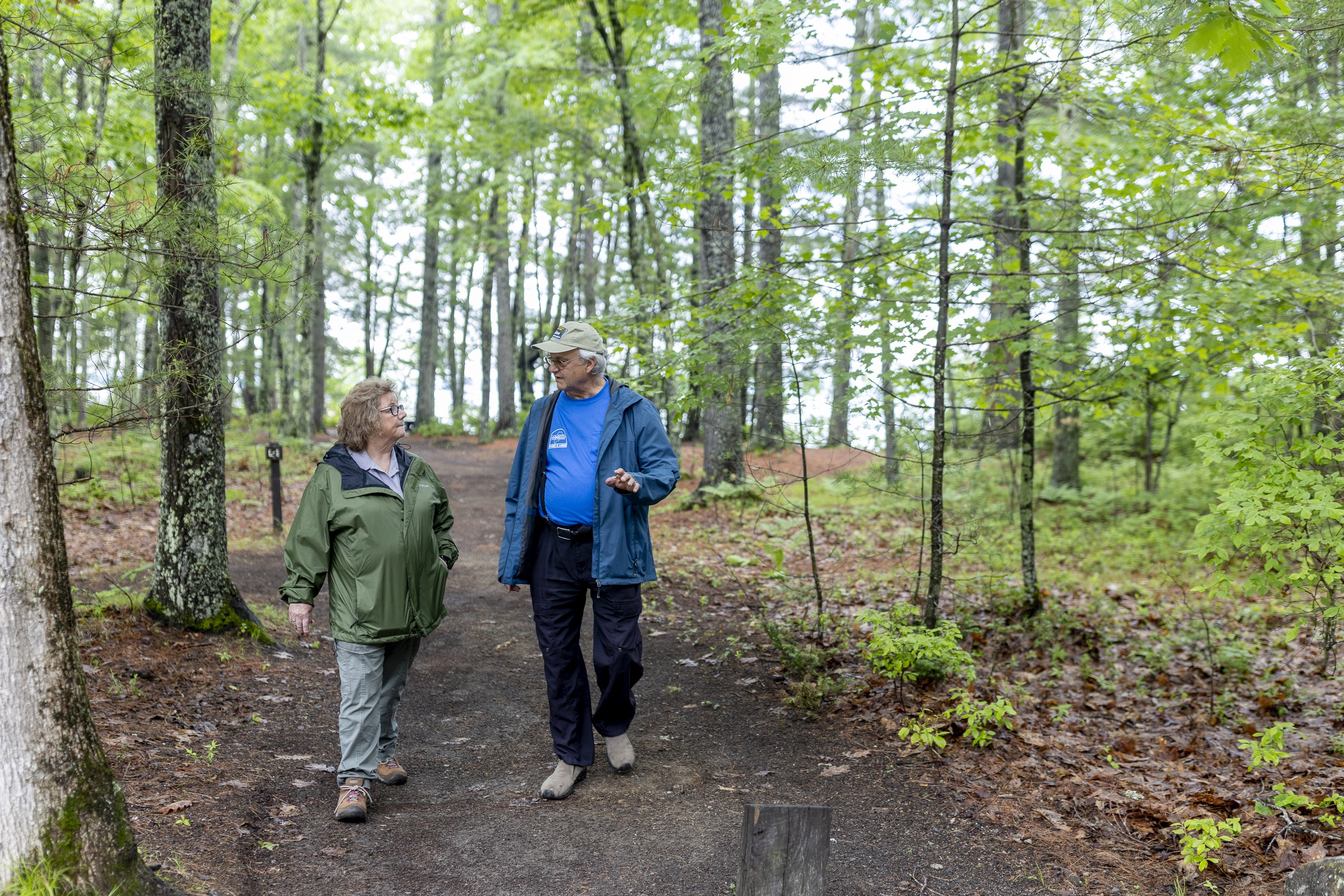
Every state is different, they said, in terms of the lengths of stay and the required tasks. Maine prefers people who can commit for the whole season from May to October. The hosts don’t have to stay every single night, and some visit other state parks or destinations on their days off. Some return year after year. Carol and Keith Hegedus have been to Florida, Arizona and Alaska — and now Maine, where they hope to go whale watching later this summer.
“It is, beyond your wildest imagination, a wonderful way to see the country and get to meet people,” Keith Hegedus said. “And it’s economical, because the park provides your place to live.”
HOW TO BECOME A HOST
The Maine Bureau of Parks and Lands has a two-page application with several short-answer questions, such as, “What are some of your objectives for working as a Campground Host volunteer?” Some people apply months in advance as they plan their travels for the year, but McGraw said others see a flyer when they arrive and decide to stick around for a few months. Several parks still have openings for this season, she said.
The form asks candidates to identify their skills and experiences from a list that includes carpentry, chainsaw operation, small boat operation, trail maintenance, computer and office skills, photography, and historical and environmental interpretation. Some choose a special project, staff said, such as creating a booklet for a guided nature hike or running a weekly cornhole tournament.
“A lot of these folks have tons of great experience, and they’ve never had the opportunity to display it,” said Theodore Hathaway, lead ranger at Sebago Lake State Park. “It makes life easier for the rangers. It’s a win-win.”
Applicants must go through a criminal background check and submit references. An individual person is required to do 20 hours of work per week; two host partners must perform 20 hours each for 40 total.
On a humid Thursday, Keith Hegedus proudly showed off a spotless bathroom near the group tent sites on Sebago Lake. They check them every morning and clean them once a day, and have hung red and white geraniums near the building. So far, they’ve been impressed with the lack of litter left behind by campers. This summer, they’re going to build some recycling receptacles. In their first weeks, they’ve spotted a painted turtle, woodpeckers and eagles.
“It’s a fun way to be outdoors,” Carol Hegedus said. “It keeps you active. It keeps your brain active.”
Soon, they’ll be seeing many more campers in addition to wildlife. Several groups booked sites that weekend, McGraw told them on Thursday.
“I want to say there’s three or four coming in,” she said.
“Good,” Keith Hegedus said. “We enjoy the company.”

We invite you to add your comments. We encourage a thoughtful exchange of ideas and information on this website. By joining the conversation, you are agreeing to our commenting policy and terms of use. More information is found on our FAQs. You can update your screen name on the member's center.
Comments are managed by our staff during regular business hours Monday through Friday as well as limited hours on Saturday and Sunday. Comments held for moderation outside of those hours may take longer to approve.
Join the Conversation
Please sign into your Press Herald account to participate in conversations below. If you do not have an account, you can subscribe here. Questions? Please see our FAQs.