Posted inLakes Region Weekly

Q&A with Camp Sunshine executive Gary Barron

5 min read

CASCO – When Gary Barron was named executive director of Camp Sunshine, the Casco retreat for children with life-threatening illnesses, it was only the latest career turn for the 59-year-old native of Newton, Mass.

Barron, who most recently ran SheerBliss Ice Cream in Sunrise, Fla., has worked as deputy treasurer of the Democratic National Committee, national political outreach director for the American Israel Public Affairs Committee, chief of staff of the U.S. Small Business Administration under President Ronald Reagan, and director of the Freedom of Information Office within the National Security Councils of Presidents Ford and Carter. He takes over the reins of Camp Sunshine from former executive director Matt Hoidal.

Reached earlier this week, the Lakes Region Weekly discussed Barron’s varied career and his new position with Camp Sunshine.

Q: It seems you’ve done everything from pioneering the pomegranate ice cream flavor to directing the federal government’s freedom of information office. What attracted you to Camp Sunshine?

A: Camp Sunshine is a recognized icon throughout the nation. Its programming and facilities are second to none. I have had an exciting and varied career, but nothing matches the impact of seeing the expressions on the face of the children, and their families who come and spend a week at Camp Sunshine. It is where the magic happens.

Q: From your insider’s perspective, how do you assess our country’s affairs these days? Is the United States in decline? Has the narcissistic “malaise” of the stagflationary 1970s transformed into something even drearier?

Advertisement

A: I believe much of the feeling of the trouble we are experiencing is that Congress is too often faced with a roadblock. In recent years, too many in Congress play politics with public policy, which has disrupted the normal and regular pace of public debate. The mood is dreary because this partisan bickering has not abated, and (it) appears will continue up to the mid-term elections.

Q: What was it like working for Henry Kissinger?

A: I worked for Dr. Kissinger at the time he was the Assistant to the President for National Security Affairs, just prior to the time he was Secretary of State. For all of us on the staff he was an iconic figure in government who was an inspiring figure. He demanded the best work of everyone and was respected by all. He was involved in so many initiatives none of which matched his success in beginning the dialogue with China. I have always considered it an honor to have worked under his leadership.

Q: Please describe your interactions with the Church Committee, the 1975 Senate committee that investigated illegal intelligence gathering by the FBI, CIA, and NSA. Were you involved in the decision to release the documents detailing the FBI’s harassment of Martin Luther King?

A: During that time, I was the director of the Freedom of Information Office for the National Security Council at the White House. Both the Church Committee of the U.S. Senate and the Pike Committee of the House of Representatives had initiated a series of hearings and requests for documents on a wide range of controversial issues from our nation’s past. I was one of several people who coordinated the responses to these requests for documents that had originated from the White House during those periods. The request for documents you mention were handled by the agencies who may have had documents fitting that request within their files, not by the staff at the White House.

Q: How does it feel to return to Maine?

Advertisement

A: I love Maine. I grew up in Newton, Mass., and went to summer camp in Oakland, Maine, for several years. I also attended Hebron Academy here in Maine. I purchased a home in Windham in 2005 and enjoy my time on Little Sebago Lake. At this point, I feel I have Maine in my blood.

Q: You oversaw the major donor program of the Democratic National Committee. Is the party’s agenda and strategy, as neo-populists allege, dominated by Wall Street financiers?

A: The role of money in politics has changed greatly over the years. A sad thing is that the importance of a small contribution seems to have been lost. A shift has taken place over the last few elections to large donors and corporations giving to third-party issue advocacy organizations who support a certain candidate. Traditional retail politics seems to be something fading on the horizon.

Q: You also worked as National Political Outreach Director for the American Israel Public Affairs Committee. What do you make of President Obama’s relationship with Israeli Prime Minister Benjamin Netanyahu? Do you support the recent airstrikes in Gaza?

A: The unfortunate recent incidents aside, both President Obama and the Israeli Prime Minister want peace. It is important for both sides to continue their private discussions to find a solution that all parties can accept and live with.

Q: Was the relatively brief mood of openness that characterized the federal government’s post-Watergate information regime a mistake?

Advertisement

A: Certainly not. The country suffered for a period of time believing they could no longer trust their government. The mood of the country was much different than it is now. The immediate post-Watergate era needed the government to take steps to begin a new era of transparency and openness. Many critics would say the government went too far during this period. As a result, steps have been taken by every subsequent administration to modify its regulations governing the disclosure of information deemed to need further protection.

Q: What are your hopes for the future of Camp Sunshine?

A: Camp Sunshine is such a marvelous place. The lives of the children living with a life-threatening disease and their families are changed the moment they arrive. The week of respite time they enjoy enriches their lives and gives them the opportunity to listen and learn from other families who experience a similar circumstance. Camp Sunshine just celebrated its 30th birthday. Over 43,000 families have experienced what Camp Sunshine has to offer. My hope is that our next 30 years are as fulfilling and exciting as the last. I am so proud to be working with such wonderful staff and volunteers as we have. As I said before… This is where the magic happens!
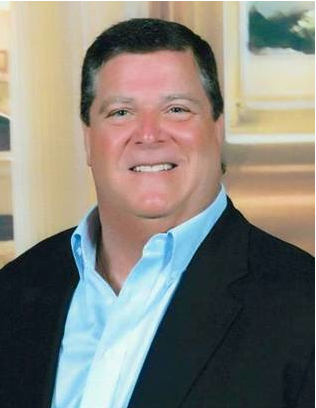
Gary Barron, of Windham, is the new executive director for Casco-based Camp Sunshine. 

Comments are no longer available on this story

Posted inLakes Region Weekly

Q&A with Camp Sunshine executive Gary Barron

5 min read

CASCO – When Gary Barron was named executive director of Camp Sunshine, the Casco retreat for children with life-threatening illnesses, it was only the latest career turn for the 59-year-old native of Newton, Mass.

Barron, who most recently ran SheerBliss Ice Cream in Sunrise, Fla., has worked as deputy treasurer of the Democratic National Committee, national political outreach director for the American Israel Public Affairs Committee, chief of staff of the U.S. Small Business Administration under President Ronald Reagan, and director of the Freedom of Information Office within the National Security Councils of Presidents Ford and Carter. He takes over the reins of Camp Sunshine from former executive director Matt Hoidal.

Reached earlier this week, the Lakes Region Weekly discussed Barron’s varied career and his new position with Camp Sunshine.

Q: It seems you’ve done everything from pioneering the pomegranate ice cream flavor to directing the federal government’s freedom of information office. What attracted you to Camp Sunshine?

A: Camp Sunshine is a recognized icon throughout the nation. Its programming and facilities are second to none. I have had an exciting and varied career, but nothing matches the impact of seeing the expressions on the face of the children, and their families who come and spend a week at Camp Sunshine. It is where the magic happens.

Q: From your insider’s perspective, how do you assess our country’s affairs these days? Is the United States in decline? Has the narcissistic “malaise” of the stagflationary 1970s transformed into something even drearier?

Advertisement

A: I believe much of the feeling of the trouble we are experiencing is that Congress is too often faced with a roadblock. In recent years, too many in Congress play politics with public policy, which has disrupted the normal and regular pace of public debate. The mood is dreary because this partisan bickering has not abated, and (it) appears will continue up to the mid-term elections.

Q: What was it like working for Henry Kissinger?

A: I worked for Dr. Kissinger at the time he was the Assistant to the President for National Security Affairs, just prior to the time he was Secretary of State. For all of us on the staff he was an iconic figure in government who was an inspiring figure. He demanded the best work of everyone and was respected by all. He was involved in so many initiatives none of which matched his success in beginning the dialogue with China. I have always considered it an honor to have worked under his leadership.

Q: Please describe your interactions with the Church Committee, the 1975 Senate committee that investigated illegal intelligence gathering by the FBI, CIA, and NSA. Were you involved in the decision to release the documents detailing the FBI’s harassment of Martin Luther King?

A: During that time, I was the director of the Freedom of Information Office for the National Security Council at the White House. Both the Church Committee of the U.S. Senate and the Pike Committee of the House of Representatives had initiated a series of hearings and requests for documents on a wide range of controversial issues from our nation’s past. I was one of several people who coordinated the responses to these requests for documents that had originated from the White House during those periods. The request for documents you mention were handled by the agencies who may have had documents fitting that request within their files, not by the staff at the White House.

Q: How does it feel to return to Maine?

Advertisement

A: I love Maine. I grew up in Newton, Mass., and went to summer camp in Oakland, Maine, for several years. I also attended Hebron Academy here in Maine. I purchased a home in Windham in 2005 and enjoy my time on Little Sebago Lake. At this point, I feel I have Maine in my blood.

Q: You oversaw the major donor program of the Democratic National Committee. Is the party’s agenda and strategy, as neo-populists allege, dominated by Wall Street financiers?

A: The role of money in politics has changed greatly over the years. A sad thing is that the importance of a small contribution seems to have been lost. A shift has taken place over the last few elections to large donors and corporations giving to third-party issue advocacy organizations who support a certain candidate. Traditional retail politics seems to be something fading on the horizon.

Q: You also worked as National Political Outreach Director for the American Israel Public Affairs Committee. What do you make of President Obama’s relationship with Israeli Prime Minister Benjamin Netanyahu? Do you support the recent airstrikes in Gaza?

A: The unfortunate recent incidents aside, both President Obama and the Israeli Prime Minister want peace. It is important for both sides to continue their private discussions to find a solution that all parties can accept and live with.

Q: Was the relatively brief mood of openness that characterized the federal government’s post-Watergate information regime a mistake?

Advertisement

A: Certainly not. The country suffered for a period of time believing they could no longer trust their government. The mood of the country was much different than it is now. The immediate post-Watergate era needed the government to take steps to begin a new era of transparency and openness. Many critics would say the government went too far during this period. As a result, steps have been taken by every subsequent administration to modify its regulations governing the disclosure of information deemed to need further protection.

Q: What are your hopes for the future of Camp Sunshine?

A: Camp Sunshine is such a marvelous place. The lives of the children living with a life-threatening disease and their families are changed the moment they arrive. The week of respite time they enjoy enriches their lives and gives them the opportunity to listen and learn from other families who experience a similar circumstance. Camp Sunshine just celebrated its 30th birthday. Over 43,000 families have experienced what Camp Sunshine has to offer. My hope is that our next 30 years are as fulfilling and exciting as the last. I am so proud to be working with such wonderful staff and volunteers as we have. As I said before… This is where the magic happens!

Gary Barron, of Windham, is the new executive director for Casco-based Camp Sunshine. 

Comments are no longer available on this story