

Portland police and FBI investigators have more than doubled a reward for information about a missing man from Boston who was last seen in Portland nearly 20 years ago.
Authorities announced Thursday that the reward has increased from $10,000 to $25,000 for any information that leads them to Miguel Oliveras or his remains.
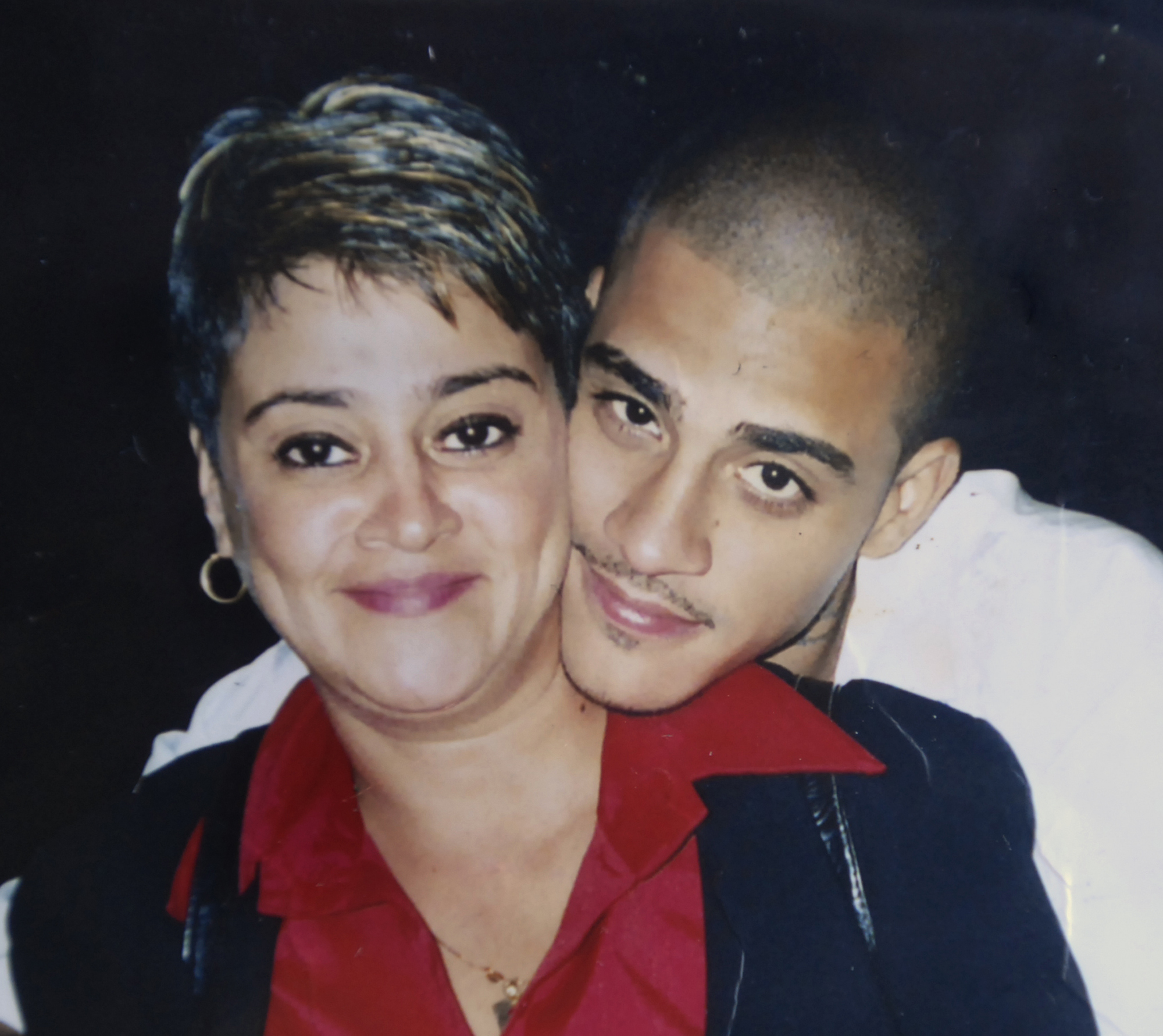
The man from Boston’s Hyde Park neighborhood was last seen around 1 a.m. on Sept. 2, 2006, at the Platinum Plus Club on Riverside Street. Authorities say his disappearance is suspicious and they haven’t received any reports of sightings since then.
Oliveras would now be 44 years old, according to the National Missing and Unidentified Persons System.
Police described Oliveras as a Hispanic man with black hair and brown eyes. When he went missing, he was 5 feet, 11 inches tall; weighed about 170 pounds; and had tattoos on his neck, back, shoulder and hand.
Oliveras’ mother, Myrna Gonzalez, said in a written statement that his disappearance has been agonizing and urged people to come forward with information so she can have closure.
“Someone out there knows something, and even the smallest detail could make a difference,” FBI Special Agent Ted Docks said in a statement. “Miguel’s mom Myrna deserves answers, and she deserves the chance to lay her son to rest, to grieve, and to begin to heal. We’re urging anyone with information on Miguel’s whereabouts to contact us.”
Investigators are asking anyone with information about Oliveras to call Portland police at 207-874-8575, or to text “PPDME” and a message to 847411. They can also contact the FBI at 800-225-5324 or submit a tip online at tips.fbi.gov.

Comments are not available on this story. Read more about why we allow commenting on some stories and not on others.
We believe it's important to offer commenting on certain stories as a benefit to our readers. At its best, our comments sections can be a productive platform for readers to engage with our journalism, offer thoughts on coverage and issues, and drive conversation in a respectful, solutions-based way. It's a form of open discourse that can be useful to our community, public officials, journalists and others.
We do not enable comments on everything — exceptions include most crime stories, and coverage involving personal tragedy or sensitive issues that invite personal attacks instead of thoughtful discussion.
You can read more here about our commenting policy and terms of use. More information is also found on our FAQs.
Show less