
Screenwriters frequently turn to books for inspiration. This year’s Oscar nominations for best adapted screenplay found their start in Mary Shelley’s “Frankenstein,” Denis Johnson’s “Train Dreams,” Maggie O’Farrell’s “Hamnet” and Thomas Pynchon’s “Vineland.”
When books receive the Hollywood treatment, they introduce scores of new readers to the source material. We asked seven Maine writers and editors about the stories they dove into because they loved the movie, show or podcast so much.
‘Nobody’s Fool’ by Richard Russo
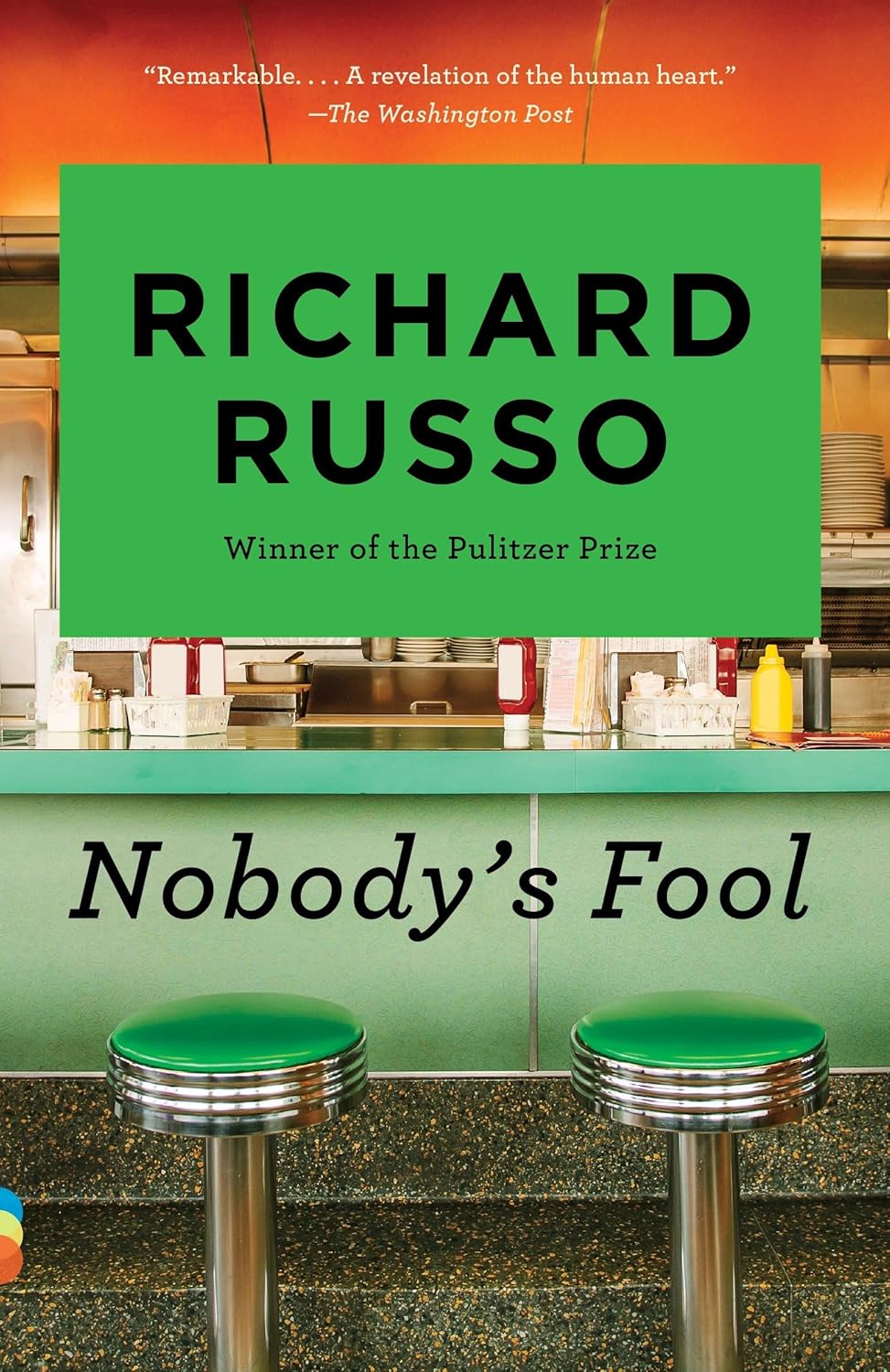
When I first saw “Nobody’s Fool,” I thought it must have been based on a good novel. I was right. Author Richard Russo hooked me with dialogue between characters eager to point out each other’s shortcomings. Main character Sully, played by Paul Newman, was a witty, likable ne’er-do-well who seemed to disappoint all in town— especially his family. Then, I kept reading Russo’s work. Earlier novels —“Risk Pool” and “Mohawk”— told stories of sons with flawed fathers who foreshadowed Sully. Later novels developed other themes and became must reads for me.
– Carl Natale, assistant web editor
‘Box Hill’ by Adam Mars-Jones

After succumbing to the surprisingly sweet biker dom-com “Pillion,” I picked up the source text, Adam Mars-Jones’s 2020 novel, “Box Hill.” Decidedly darker than the sometimes breezy and strangely tender movie, the novel finds Colin meeting the terse but charismatic biker, Ray, on his eighteenth birthday. Yet one of the most compelling differences between the film and book is the depiction of Colin’s parents. While the story of Colin and Ray remains interested in domination, the novel probes a more domestic version of control in love between his parents, in sickness and in health.
– Michael Colbert, books editor-at-large
‘The Devil and Sherlock Holmes’ by David Grann
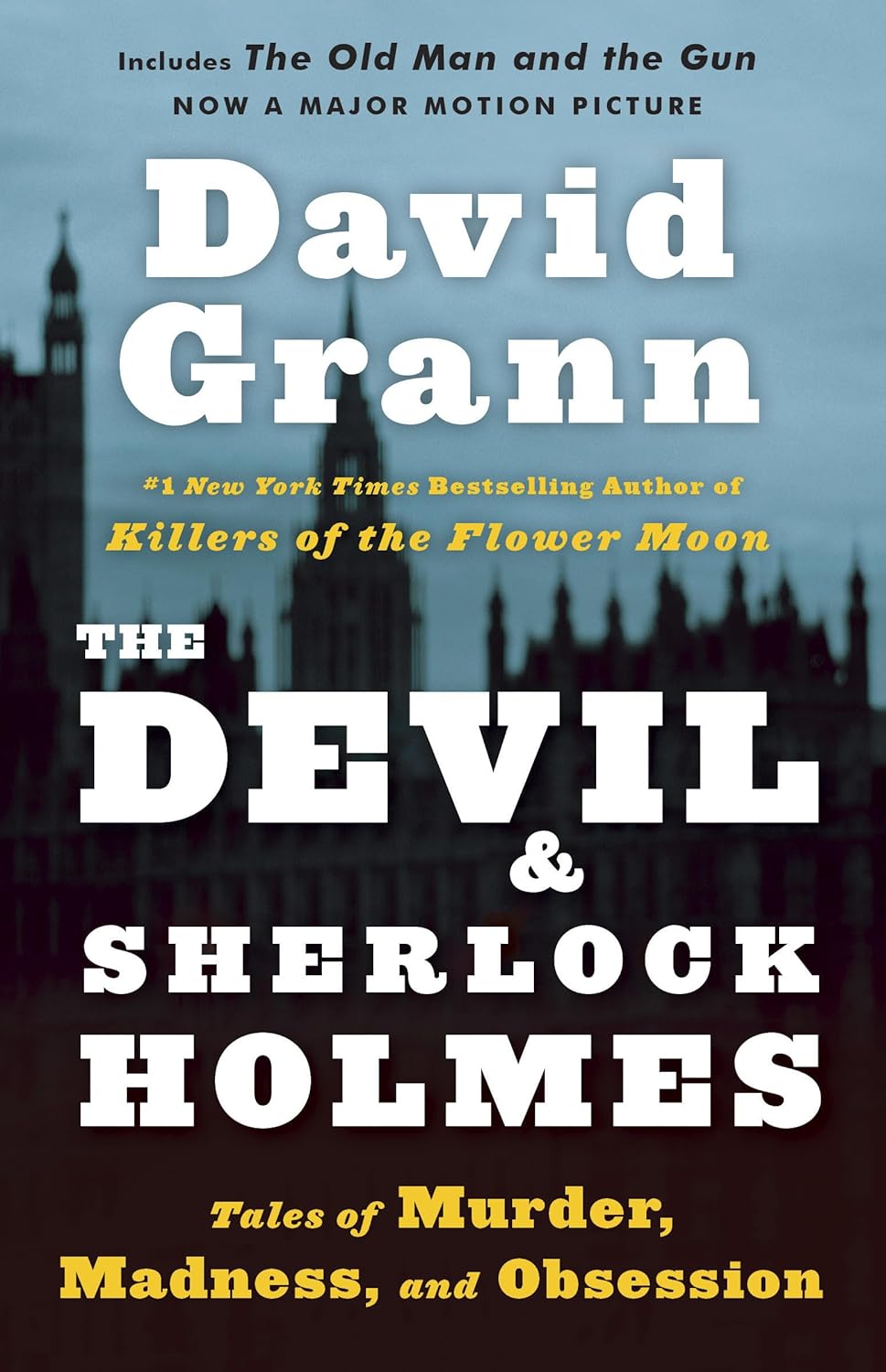
The only reason I thought of picking up “The Devil and Sherlock Holmes,” David Grann’s collection of true crime journalism, was the podcast, “Criminal.” The episode told the story of a murder investigation in Poland, in which detectives linked an unsolved murder to a novel written by a suspect. Host Phoebe Judge cited Grann’s collection as the source material, and after a request from interlibrary loan, I learned about the mysterious death of a Sherlock Holmes scholar, the long history of corruption in Youngstown, Ohio, and the hunt for giant squid in the South Pacific. Each story had me riveted.
– Travis Lazarczyk, sports columnist
‘Lonesome Dove’ by Larry McMurtry
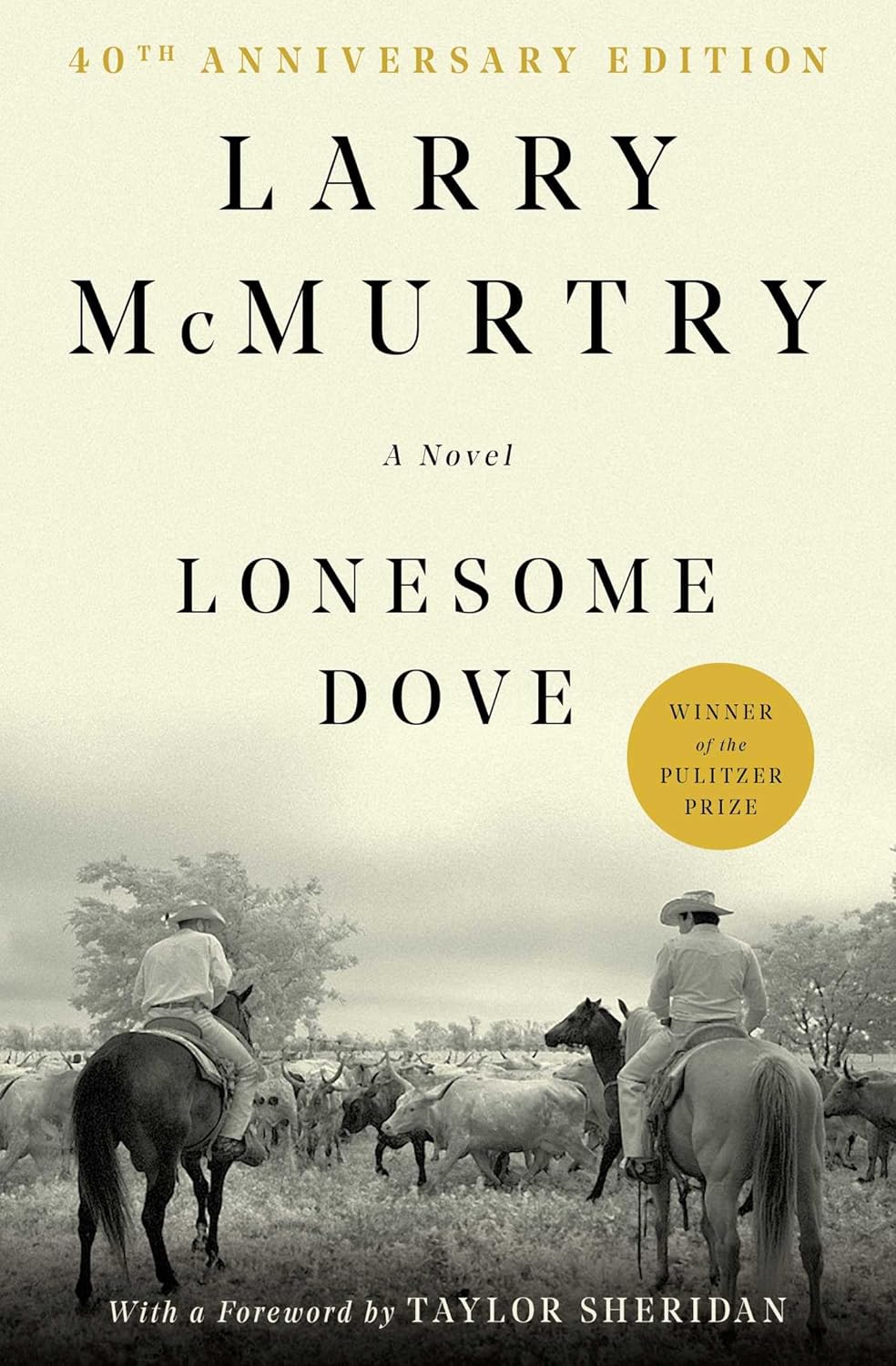
As a seven-year-old, I was aware of the buzz around the 1989 miniseries, “Lonesome Dove.” I was pleased to find that it was warranted (tip of the Stetson to Robert Duvall and Tommy Lee Jones). But it was impossible not to feel that network TV had jammed 10 pounds of beans in a five-pound sack. Larry McMurtry’s 1985 novel added scope, shape and depth to such a classically American story. Far crueler and more honest than the miniseries, but also more insightful about loyalty, friendship and legacy. A truly American epic.
– David Greer, Maine Trust marketing director
‘The Disaster Artist’ by Greg Sestero
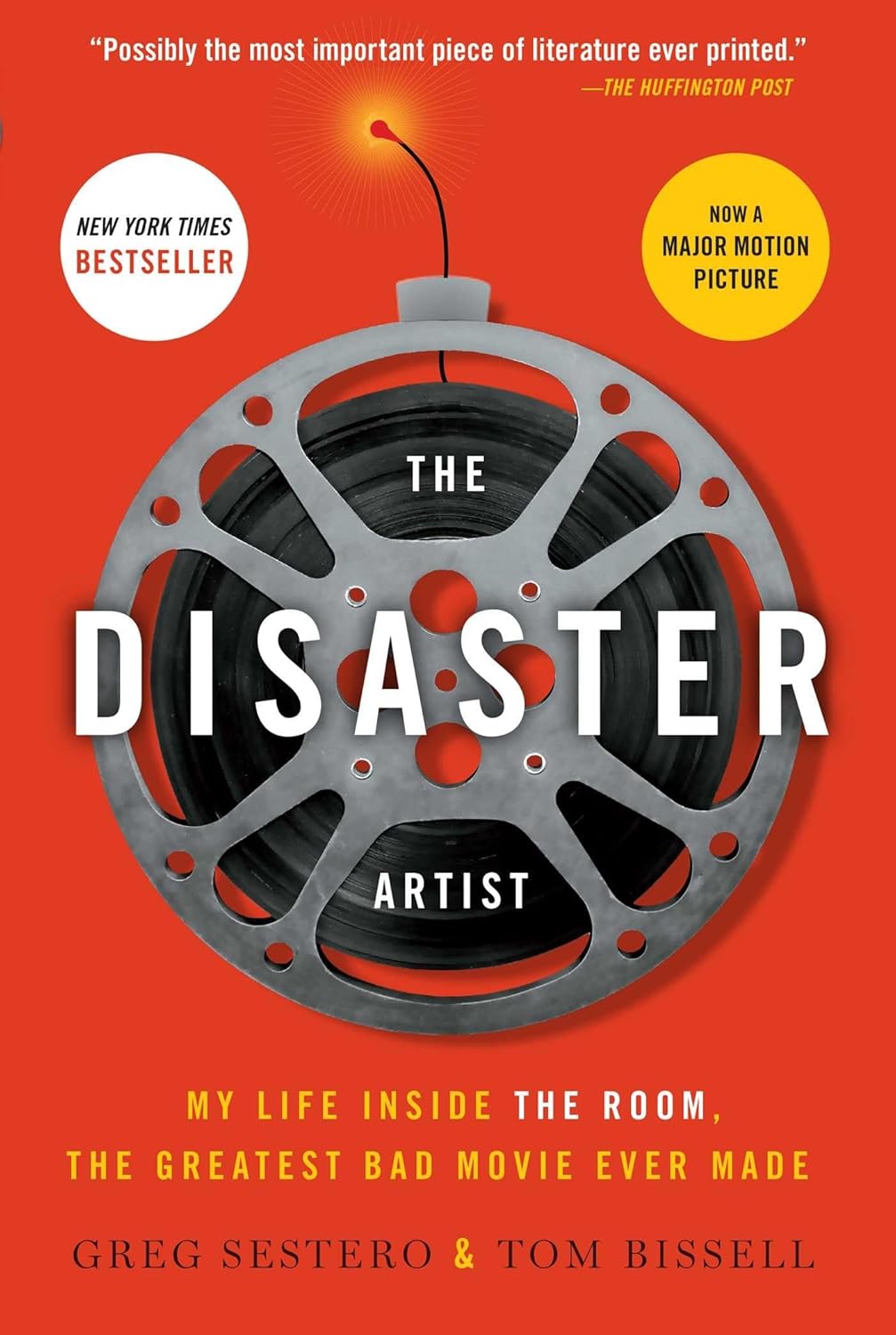
“The Room,” Tommy Wiseau’s 2003 unintentionally funny indie cult classic, was infamous enough to inspire “The Disaster Artist,” James Franco’s brilliant making-of film about the complicated friendship between the insecure, ambitious Wiseau and “Room” co-star Greg Sestero. After alternately laughing and shaking my head, I immediately grabbed Sestero’s book, now filled with dog-eared pages and highlighted passages. The book goes into even more detail on how one man’s passion, money and labor resulted in one of the worst films ever. Hi, doggie!
– Dave Bailey, Central Maine copy desk
‘Train Dreams’ by Denis Johnson
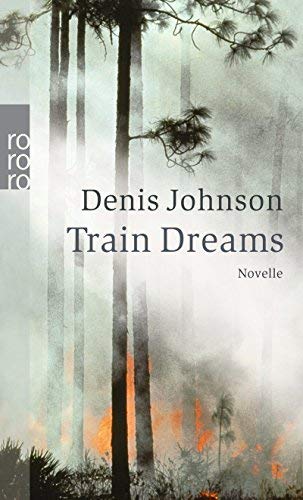
I’m a read-the-book-first kind of person, but when my 17-year-old offers to watch a movie with me, I’m in, which is how I found myself in thrall to the beautifully-slow film, “Train Dreams.” Months later, I close my eyes and still see various scenes. I’d long meant to read the Denis Johnson novella, and the book too is a strange and glowing collection of moments and stories from one man’s life. These two versions, book and movie, exist side by side, both showing us how one person’s small life matters.
– Gibson Fay-LeBlanc, executive director, Maine Writers & Publishers Alliance
‘The Martian’ by Andy Weir
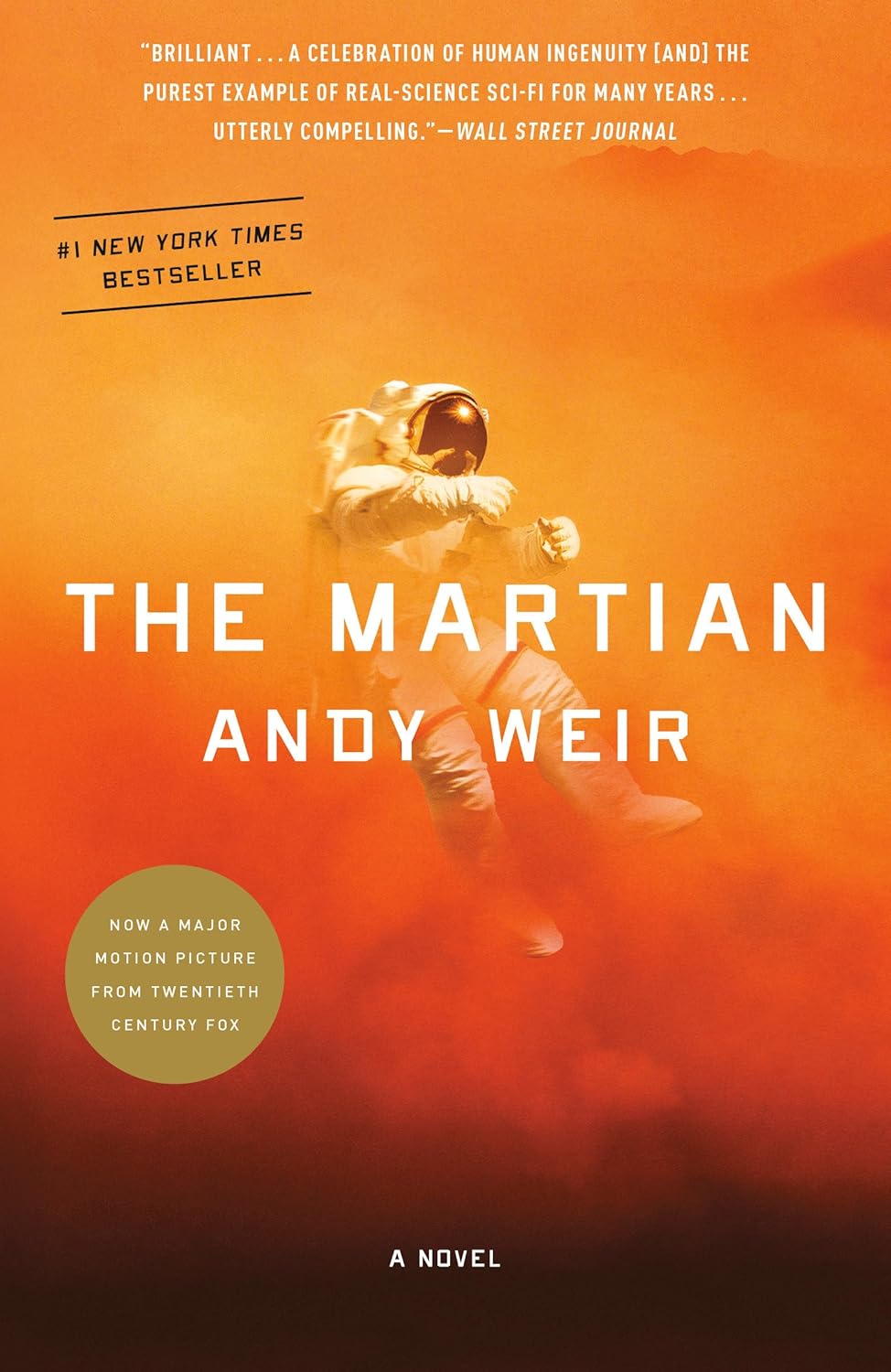
You know that scene in “Apollo 13” where the stranded crew Macguyvers an air filtration system so they can breathe long enough to return to earth? The entirety of Ridley Scott’s movie “The Martian” is that scene. It’s based on Andy Weir’s novel about an astronaut left behind on Mars. Weir’s having a moment right now — “Project Hail Mary” is based on his 2021 book, and NASA’s Artemis moon mission shares a name with his second novel. “The Martian” shows science fiction doesn’t just have to be technical and awe-inspiring. It can also be great fun.
– Katherine K. Lee, news and culture editor
We invite you to add your comments. We encourage a thoughtful exchange of ideas and information on this website. By joining the conversation, you are agreeing to our commenting policy and terms of use. More information is found on our FAQs. You can update your screen name on the member's center.
Comments are managed by our staff during regular business hours Monday through Friday as well as limited hours on Saturday and Sunday. Comments held for moderation outside of those hours may take longer to approve.
Join the Conversation
Please sign into your Press Herald account to participate in conversations below. If you do not have an account, you can subscribe here. Questions? Please see our FAQs.