

Why is it that several doctors and nurses I know hope to never enter a hospital as a patient? A few possible reasons sprang out from the bushes in sequined fuchsia jumpsuits when I visited my father last week in a hospital. He is wrestling with severe dementia and believed, with noticeable distress, that he was A) in a very, very bad hotel without windows, or B) on a bus headed for Kansas City, or C) lost in a forest looking for landmarks, yet not finding them. A related concern on his part was access to a bathroom, which he believed required a ticket that had to be purchased from the nurses, who were guarding the doors. Naturally enough, he wanted to know with some urgency how exactly he could acquire a ticket.
At first I nodded sympathetically, autopilot, pondering the odd path of such a merciless disease. A few visits later, the endless twilight bus scenario seemed to fit like a glove. I, too, found myself wondering how to score tickets (visitors were not allowed to use the patient’s bathroom). The nearly universal horrors of hospital architecture and interior disorganization would make an ideal subject for future exploration. How many basic notions about human psychology and creature comfort are absent there! For the moment, however, the bathroom problem is big enough.
The hazy confusion that overpowers my father in an unfamiliar, unkind environment left him grasping for bare essentials: sunlight, conversation, and easy access to a bathroom. We probably think about these things rarely because we often possess them already.
Meanwhile, most visitors to a city — and we have all been this visitor at one time or another — suffer a mild, temporary form of dementia while we are away from home. We wander, we stumble, we get the time wrong, we look for a bathroom and wonder whether someone might charge admission. Here looms a great moment of reckoning for the city.
Does it offer ample and ready access to clean public bathrooms? Does it recognize and provide for generously, in advance and at scale, the most essential biological needs of its visitors? May a city be fairly judged on such a basis? Few other measures provide a better yardstick.
In “Perfect Days,” the excellent 2023 film by Wim Wenders, the main character cleans public bathrooms in Tokyo by day, visits the public baths, reads good books by night, and in this way seems to lead a nearly perfect life. The real stars of the film, it might be said, are the bathrooms themselves, which we get to know in all their glory by the time the film is done; they are elegant, spacious, colorful, durable, memorable, numerous and popular.
It is painfully clear that Tokyo took this test quite seriously, and the rest of us can only look on, green-blue with envy, robbed by this film of any last shred of an alibi regarding what is possible or impossible as far as tax-funded urban toilets are concerned.
Let’s call it the Tokyo Test.
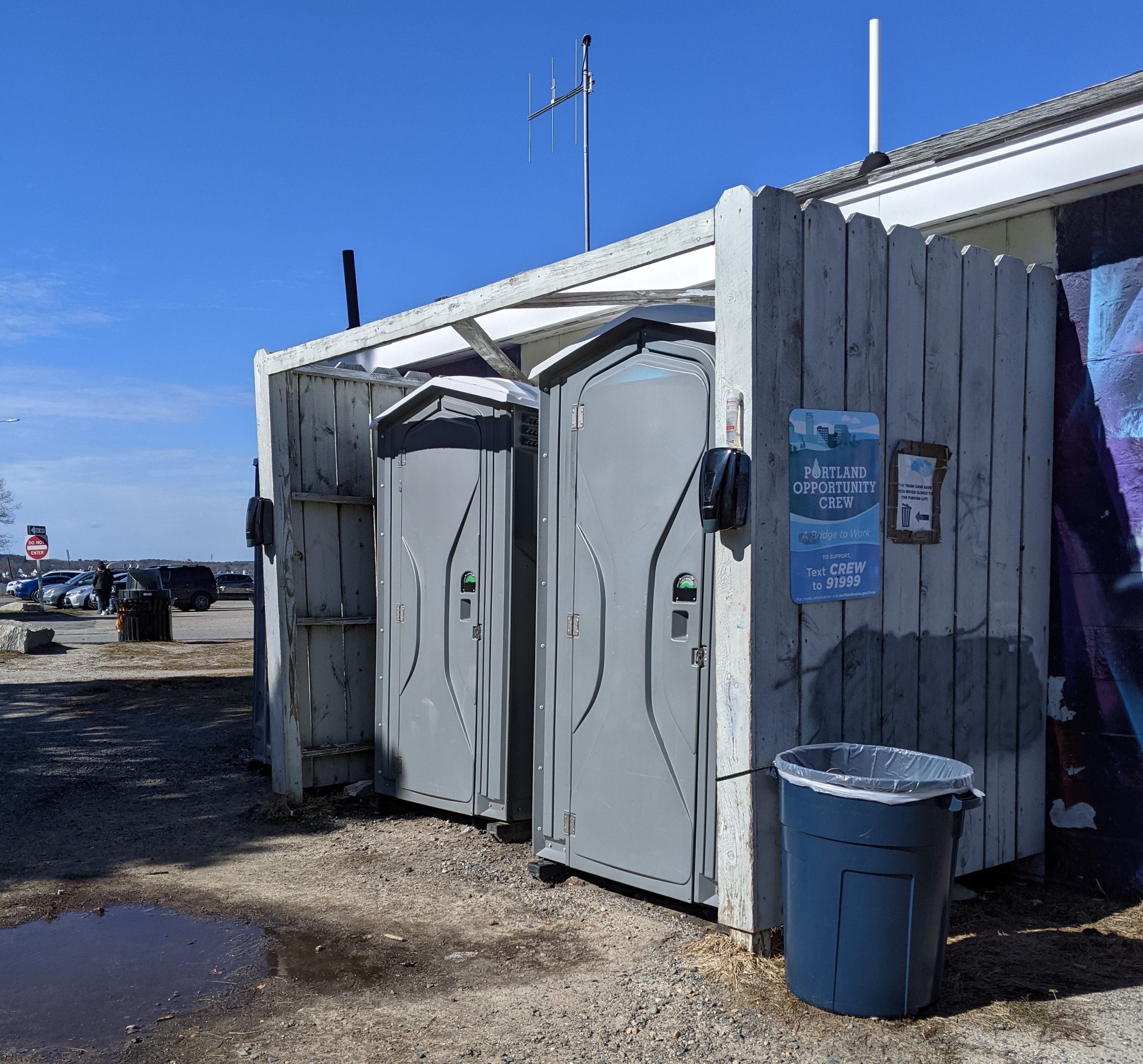
It is easy to see how Portland performs. Its handful of city-sponsored bathrooms available around the clock are one-at-a-time crude metal outhouses partially exposed to the elements, or else smelly portable plastic boxes.
These are not climate-controlled and are not located in convenient, obvious places downtown. Security would be an issue, especially for a woman walking alone after dark. The others are in semi-public locations like the main library (closes at 6 p.m.) and the Casco Bay Lines terminal (where a large, ominous bathroom sign asks users to refrain from doing their laundry). There are far too few of them in relation to the number of pedestrians eating and drinking in the city, and these few are not easy for visitors to locate in a pinch.
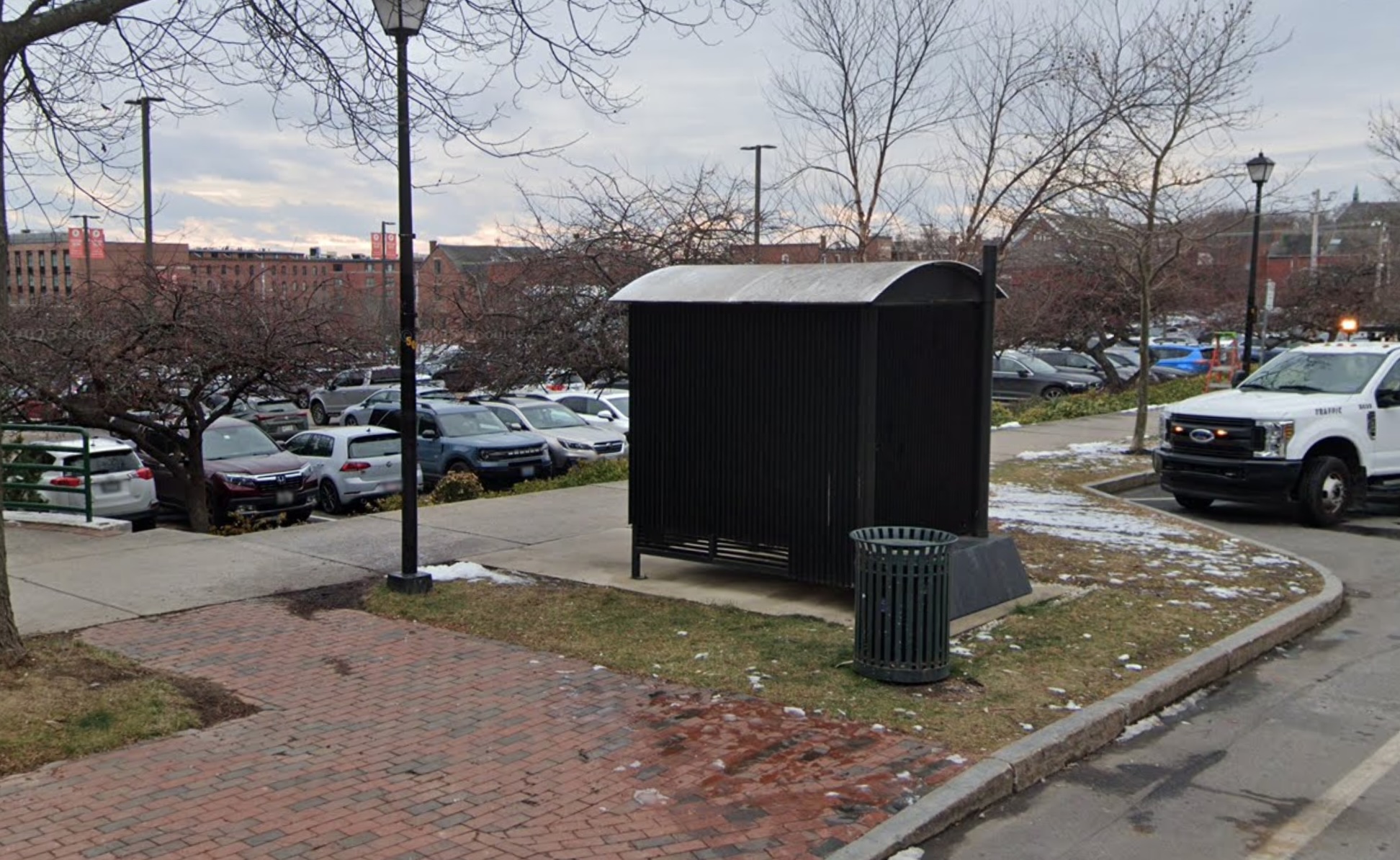
It could be worse; there could be no bathrooms at all, or they could be open trenches in an empty lot. The message seems fairly clear. If you are not attached to a hotel or restaurant, the City of Portland wishes you good luck in stamina and bodily functions during your exciting seaside adventure. Next time, make a reservation.
Final grade on the Tokyo Test: D+. Portland might want to retake the course.
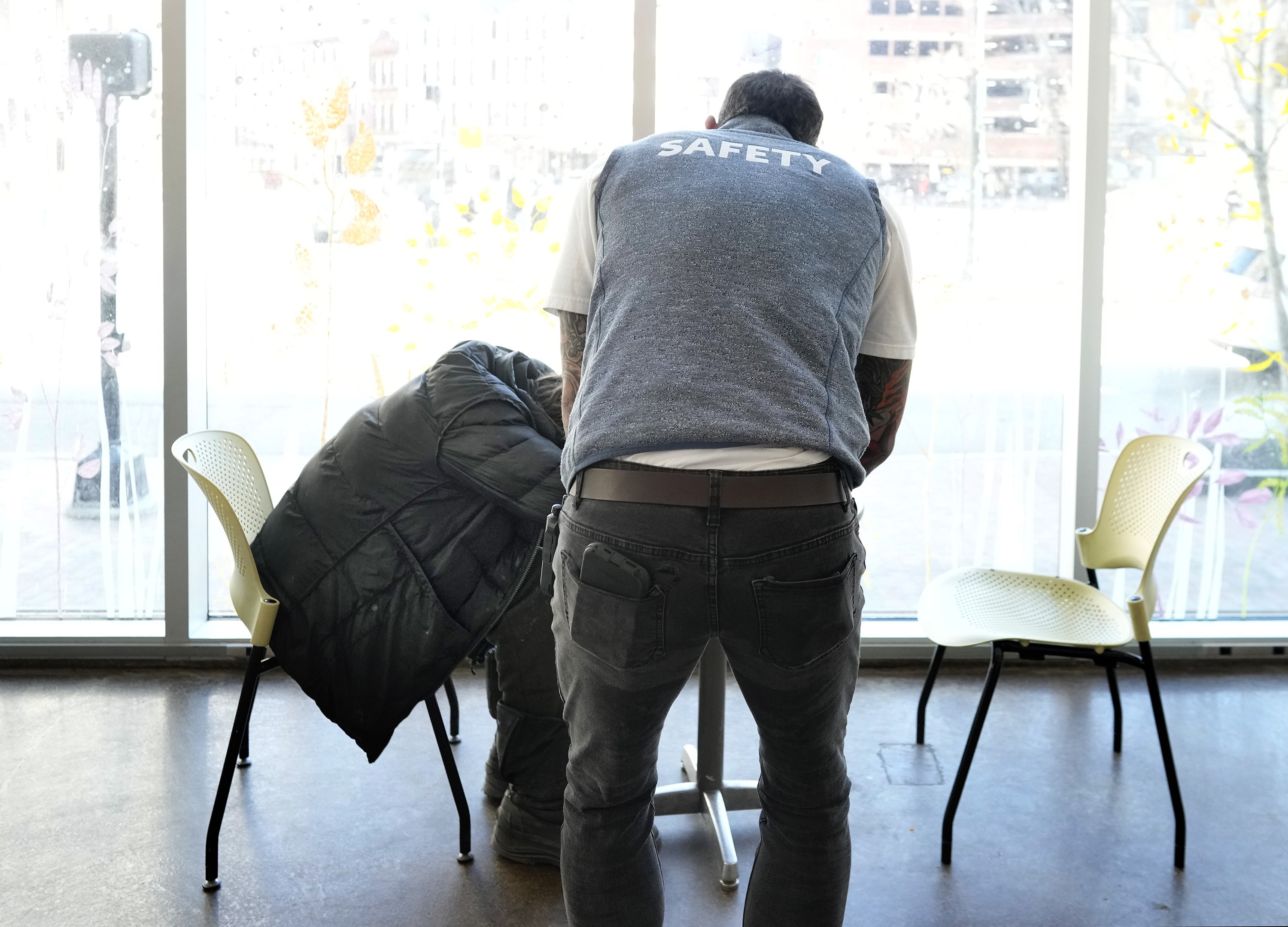
This brings us back around to the downtown library. An excellent story in the Press Herald by Andrew Rice recently brought to light an increasing number of calls to the police from library staff, and the hiring of an in-house security guard. I watched him make rounds this morning while writing this column; he is serious, focused, covered with interesting tattoos, and constantly moving. On the back of his vest is the word SAFETY.
It seems that library staff across the country are adding social work skills to their kits, since the number of patrons who need non-informational support is growing. Some of the larger libraries are simply hiring in-house social workers to interface with these new demands. They all deserve a lot of credit for adapting with so much sensitivity and intelligence.
It is proper that the Portland Public Library can offer its unhoused clients a warm, pleasant and supportive environment to ease the harshness of their daily routines. Many enter this public environment to find navigation services, thermal stability, internet, comfort, light, community, restrooms and safety (It looks like everyone is eager for that last one). This is social infrastructure provided by an anchor institution committed to neutrality, social justice and support for its patrons in crisis. In illness. In insecurity. In heat and cold.
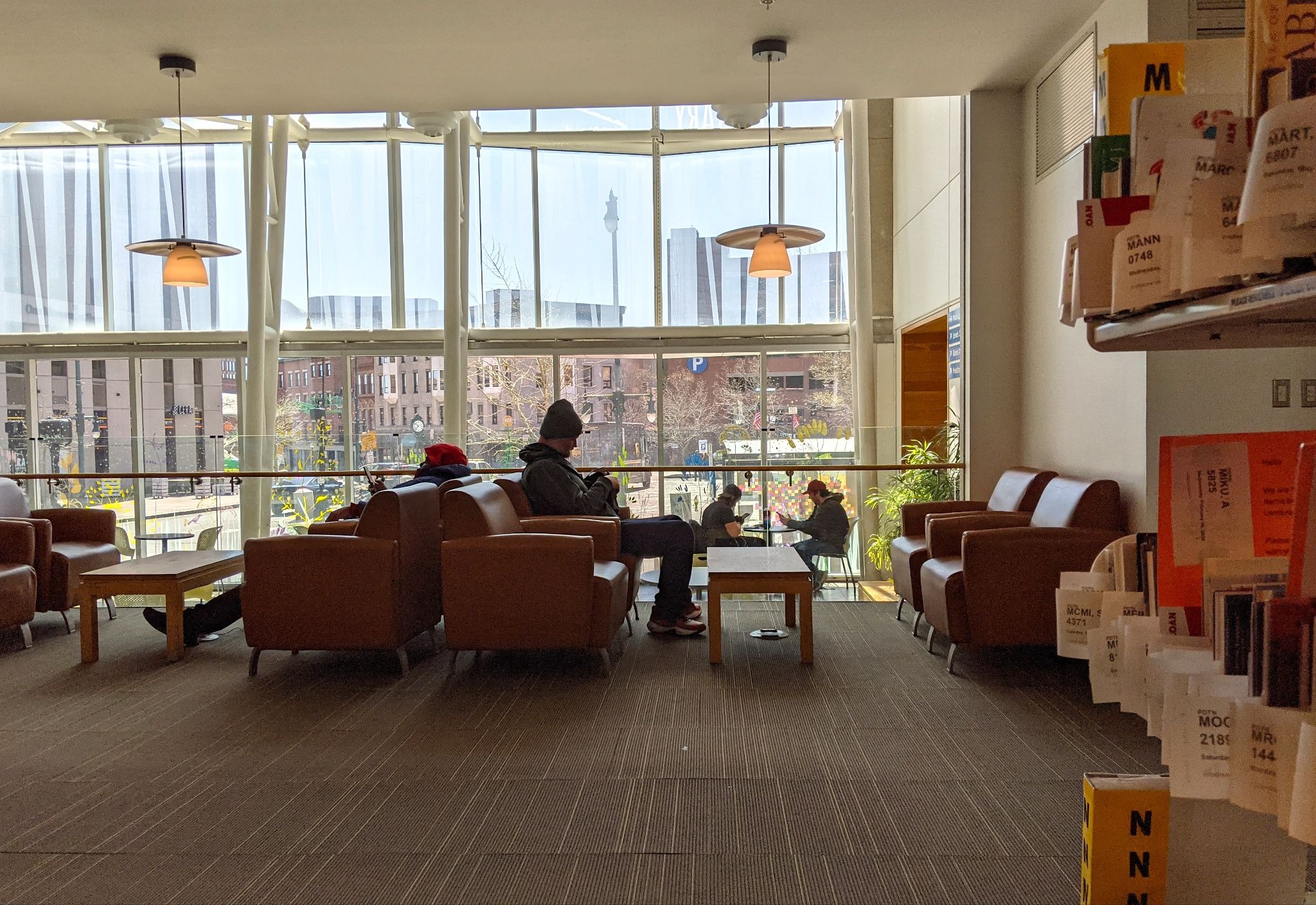
Still, the whole sorry situation is a bit of a disappointment. Libraries are not really built for this business. Their architecture is designed for the targeted movement of information with a staff trained to facilitate it. When the public library becomes, by default, a community center for the unhoused, it is a victory for public decency and a sure sign that things elsewhere have failed brutally, consistently.
Specifically, a big uptick in calls from the library to police signal that Portland’s housing costs are too high, its responses to substance abuse too feeble, its facilities for mental illness too few, its employment opportunities too scarce, and its funding for transitional shelter too low. Right at the nexus, squarely at the intersection of these obvious failures, the public library is trying to make the best of a bad deal.
When I asked the downstairs reference librarian to help me understand this problem in its larger frame, the movement of information functioned beautifully, just as one would expect. I learned that there are more than 771,000 unhoused persons in the United States, that public libraries across the world are facing these same challenges, and that libraries are compelled to assume a growing burden as the mesh of community assistance resources strains, tears and weakens. Pretty soon there is only one house on the block that hands out candy, and all the Halloween kids pile onto its creaking porch. Trick or treat?
The trick is that Portland could ace the Tokyo Test right now if it were willing to reorganize its priorities. Ocean Gateway at Thames and Hancock is a well-situated, highly visible public building with lots of amenities. It even has a nice awning, a check-in window, and industrial grade restrooms.
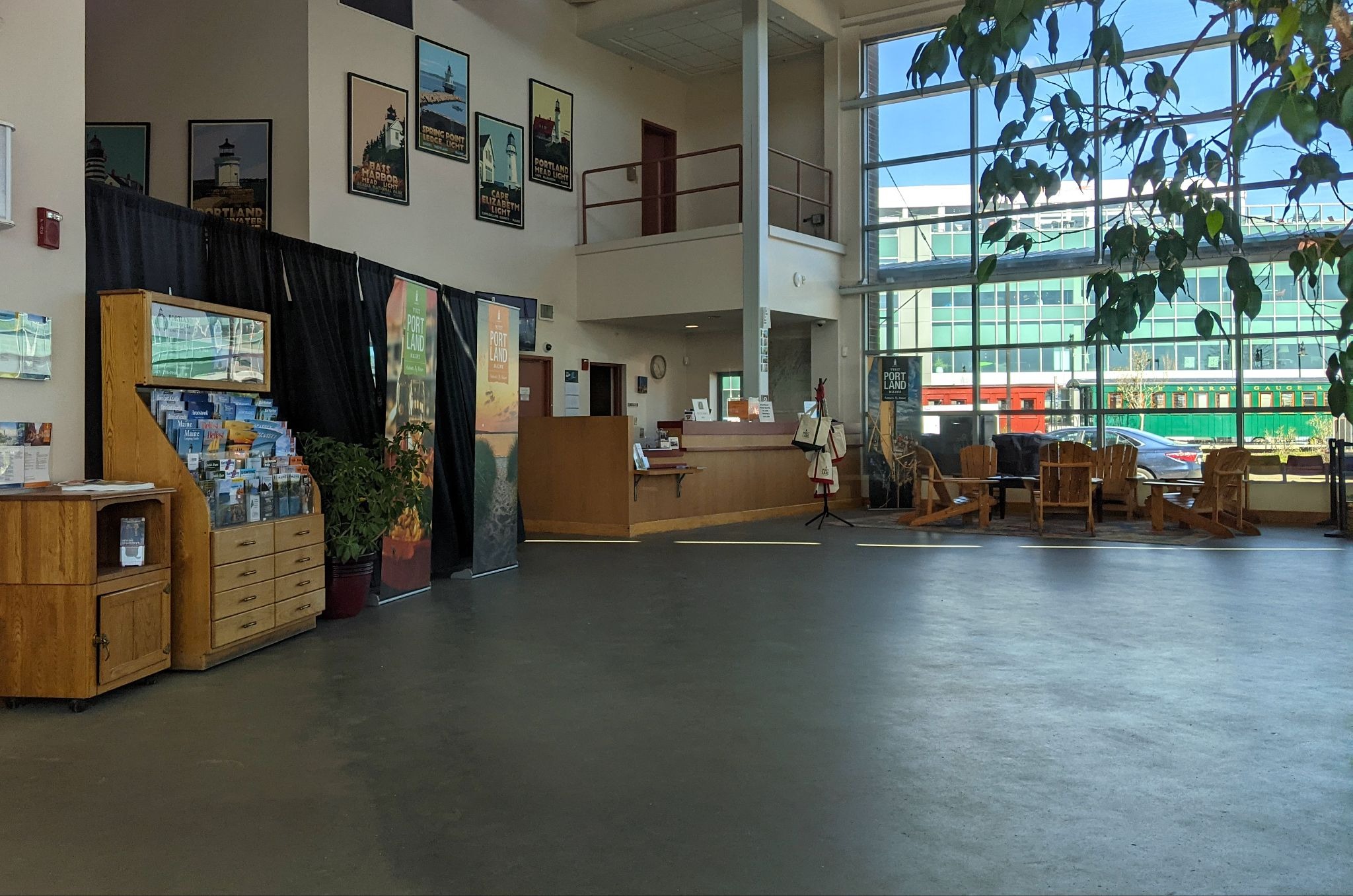
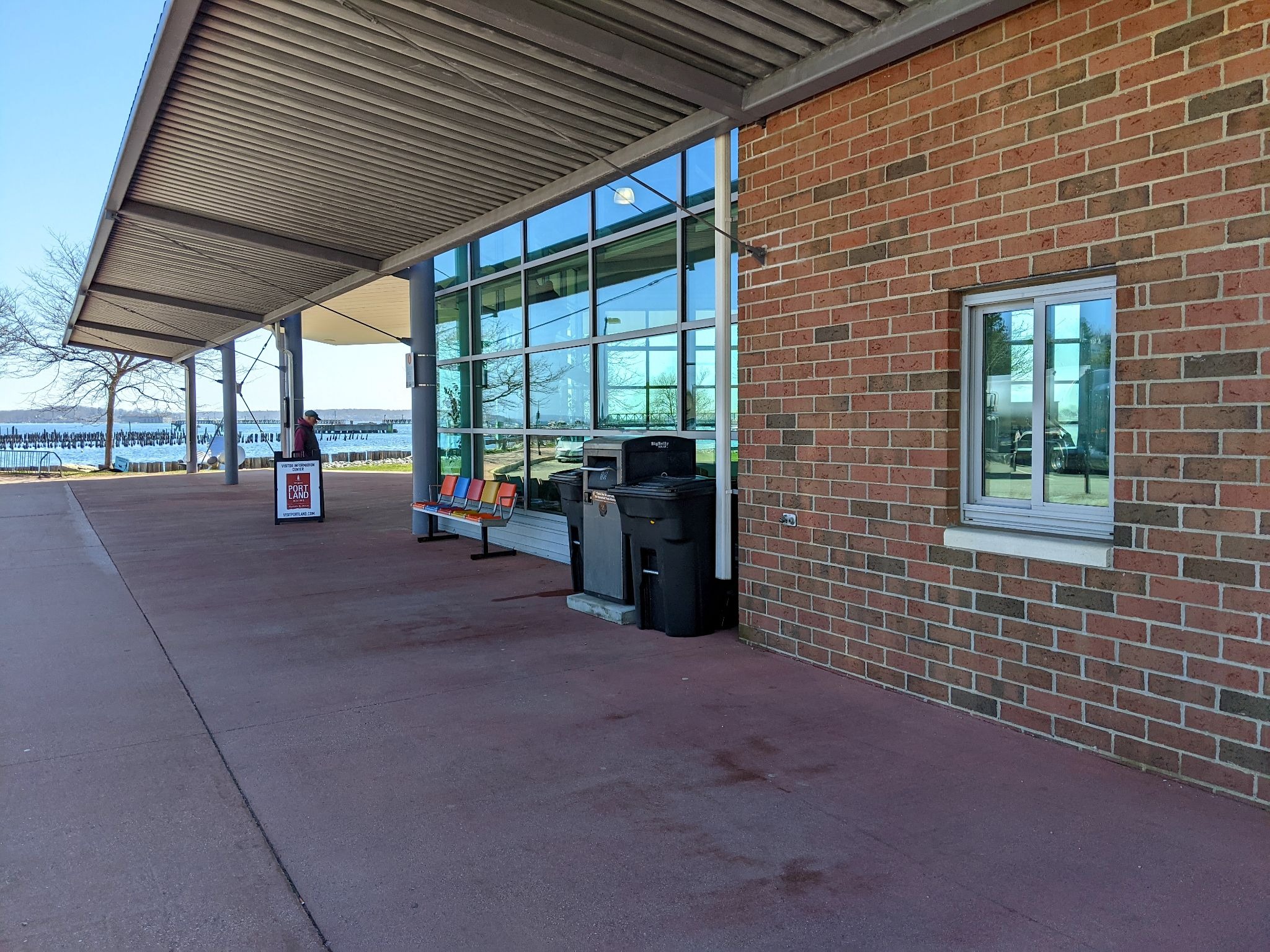
It is also closed altogether for most of the year, then open exclusively to cruise ship visitors the rest of the time. A waste and an error. Portland is selling its charms to wealthy strangers before it takes care of ordinary citizens. Missing the forest for the trees, we remain trapped in a nightmare of our own making.
Jon Calame holds a master’s degree in historic preservation of architecture and is a Fellow of the American Academy in Rome. He currently teaches art history at the University of Southern Maine. This column is free to access through support by The Dorothea and Leo Rabkin Foundation.
We invite you to add your comments. We encourage a thoughtful exchange of ideas and information on this website. By joining the conversation, you are agreeing to our commenting policy and terms of use. More information is found on our FAQs. You can update your screen name on the member's center.
Comments are managed by our staff during regular business hours Monday through Friday as well as limited hours on Saturday and Sunday. Comments held for moderation outside of those hours may take longer to approve.
Join the Conversation
Please sign into your Press Herald account to participate in conversations below. If you do not have an account, you can subscribe here. Questions? Please see our FAQs.