

“Bread and Jam for Francis.” “Green Eggs and Ham.” “If You Give a Moose a Muffin.” “Round is a Tortilla.” “Chicken Soup with Rice.” “Cloudy with a Chance of Meatballs.” “In the Night Kitchen.” “The Very Hungry Caterpillar.” “Arnie the Doughnut.” And, of course, Maine’s beloved classic, “Blueberries for Sal.”
These are just a few of the many titles that came up in conversations with experts and ordinary people about the prevalence of food in kids books. No thinking long and hard, either. Beloved book titles rolled off the tongues of parents, readers, writers, librarians and illustrators.
Food has long been prevalent in children’s books. “Hansel and Gretel” was first published more than 200 years ago. Winnie the Pooh has been obsessed with honey for 100 years. Charlie got his chocolate factory back when Lyndon B. Johnson was president.
“So as long as food is organic to the story, it’s a great, time-tested way to connect and engage with the reader,” said Leslie Kimmelman, a children’s book writer (who happens to be my sister and whose books include “Frannie’s Fruits” and “Hot Dog! Eleanor Roosevelt Throws a Picnic”).
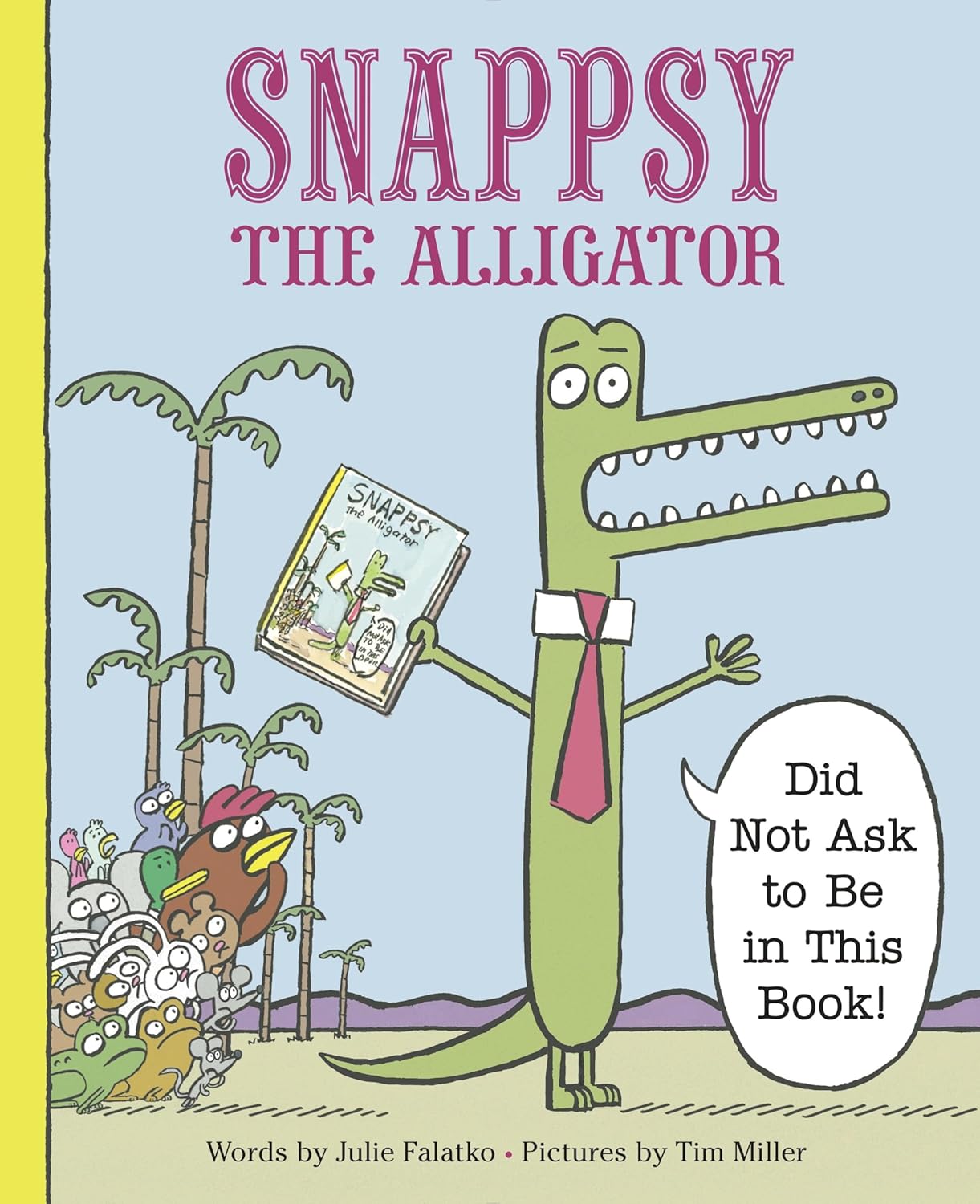
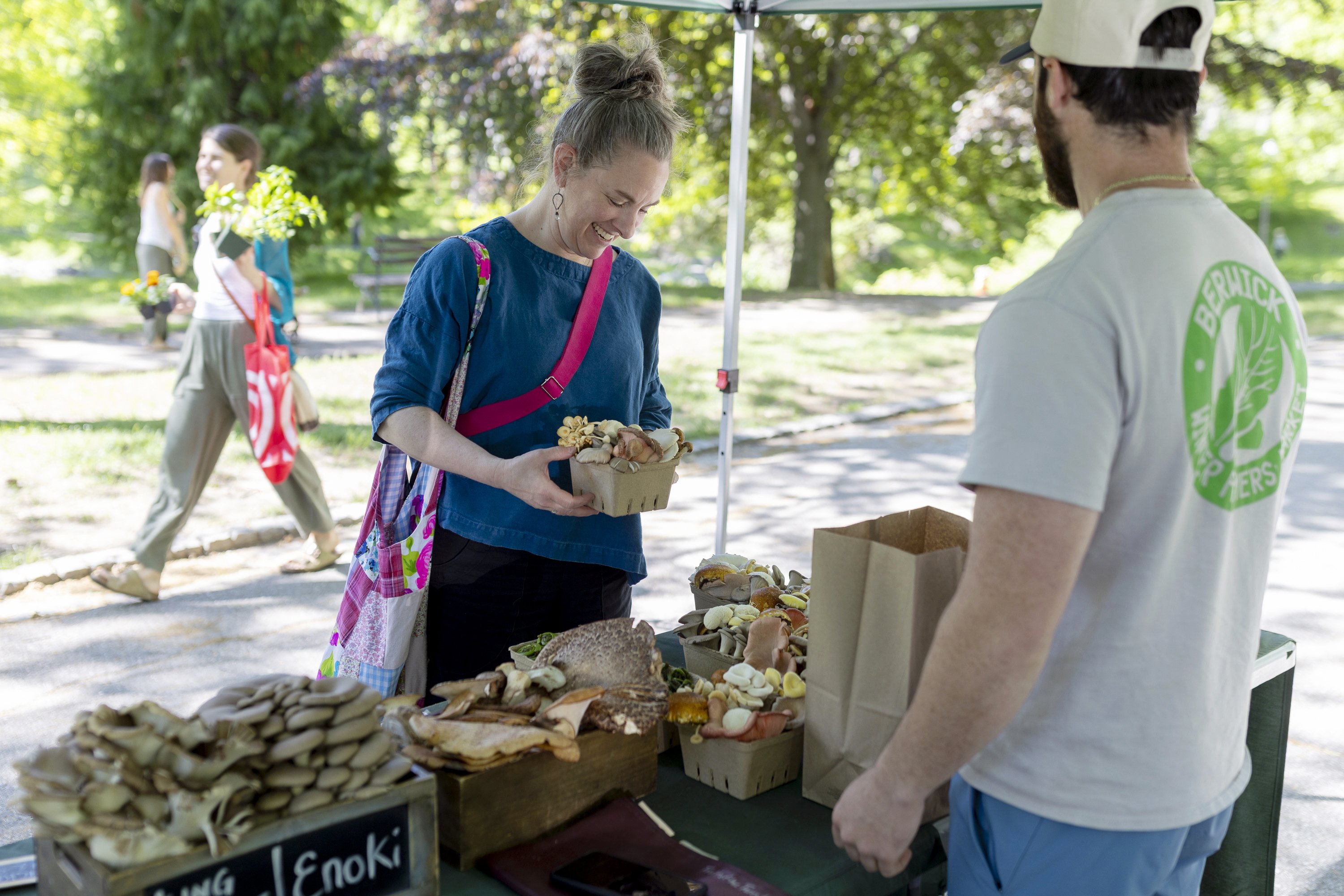
Just what makes food so fundamental in books for youngsters? We asked a few experts, and, for fun and a bit of inspiration, strolled the Portland Farmers’ Market with children’s book writer Julie Falatko, who once told this newspaper, “I’ll buy anything (at the farmers market) that sounds like it’s a specific detail from a novel.” Her books, including “Snappsy the Alligator (Did Not Ask to be in This Book)” and titles in her “Two Dogs in a Trench Coat” series, are filled with references to food.
“Food is so visceral for kids,” said Nareet Carmel, a youth services librarian at Curtis Memorial Library in Brunswick. “It’s tied up with their … daily experience and their rhythms in life: breakfast, lunch, dinner and everything in between. Everything circles around it.”
WE ALL GET HUNGRY
Stories about food are engaging and easily accessible, even to very small children. Midcoast writer and illustrator X. Fang has been experiencing that firsthand with her toddler son Calvin. They’ve been reading “Winnie the Pooh” together. Calvin, ever on the hunt for cookies, easily relates to Pooh, ever on the hunt for honey.
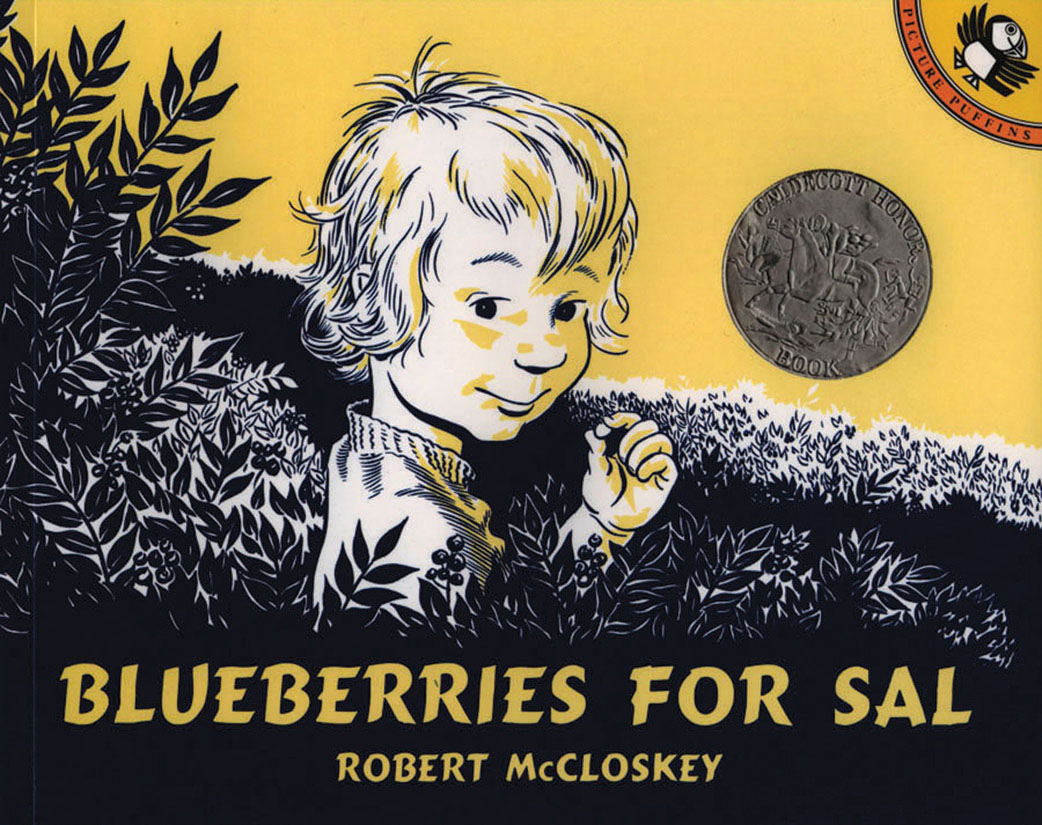
Carmel remembers a similar feeling from her childhood. As a girl, she’d go huckleberry picking with her mom in the mountains of Montana, walking a few steps behind and snacking on berries instead of collecting them. “For me, it was like, ‘I am Sal.'”
“As a kid you understand food, right? You need to eat. You get hungry,” Falatko said. “So there’s a certain comfort in the character in the book also being hungry and also eating. A kid can be like, ‘I can see myself in a book and books can help me understand the world.”
MORE THAN THE FOOD
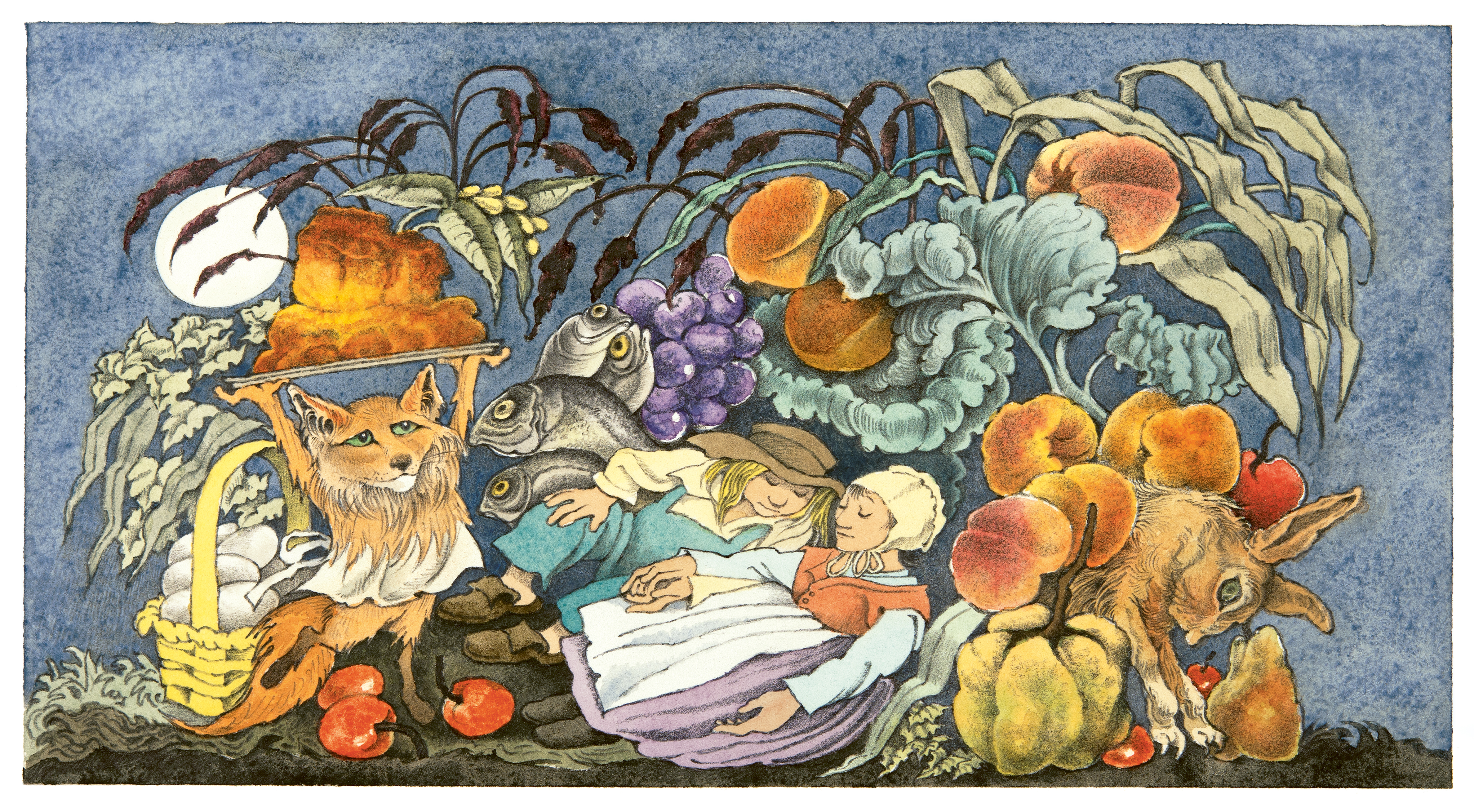
Comfort and accessibility are good starting points, but food in children’s books does a lot more. “It’s a good entry point for other things,” Fang said. “A story around food isn’t about just eating food.”
Food can call up scary emotions. “In ‘Hansel and Gretel,’ there’s both an edible house, which is an ultimate childhood fantasy, but at the same time they’re being fattened up to be somebody else’s meal, which is the ultimate childhood terror,” said Amy MacDonald, a Portland resident and author of “Little Beaver and the Echo” and other children’s books.
It brings up questions of control. In “Bread and Jam for Frances,” Frances the badger tries to supervise her own diet; in real life, kids are subject to many food limits and rules: Food is stored in high cupboards they can’t reach. Somebody needs to cook it. They have to finish dinner or they won’t get dessert. “Maybe if you’re lucky you have access to the bag of Goldfish,” Falatko said, “but probably not.”
USING ALL THE SENSES
When MacDonald talks to beginning writers, she reminds them to use all five senses when writing description, and “what better to do that with than a meal? It just pulls the reader in, in every way.”
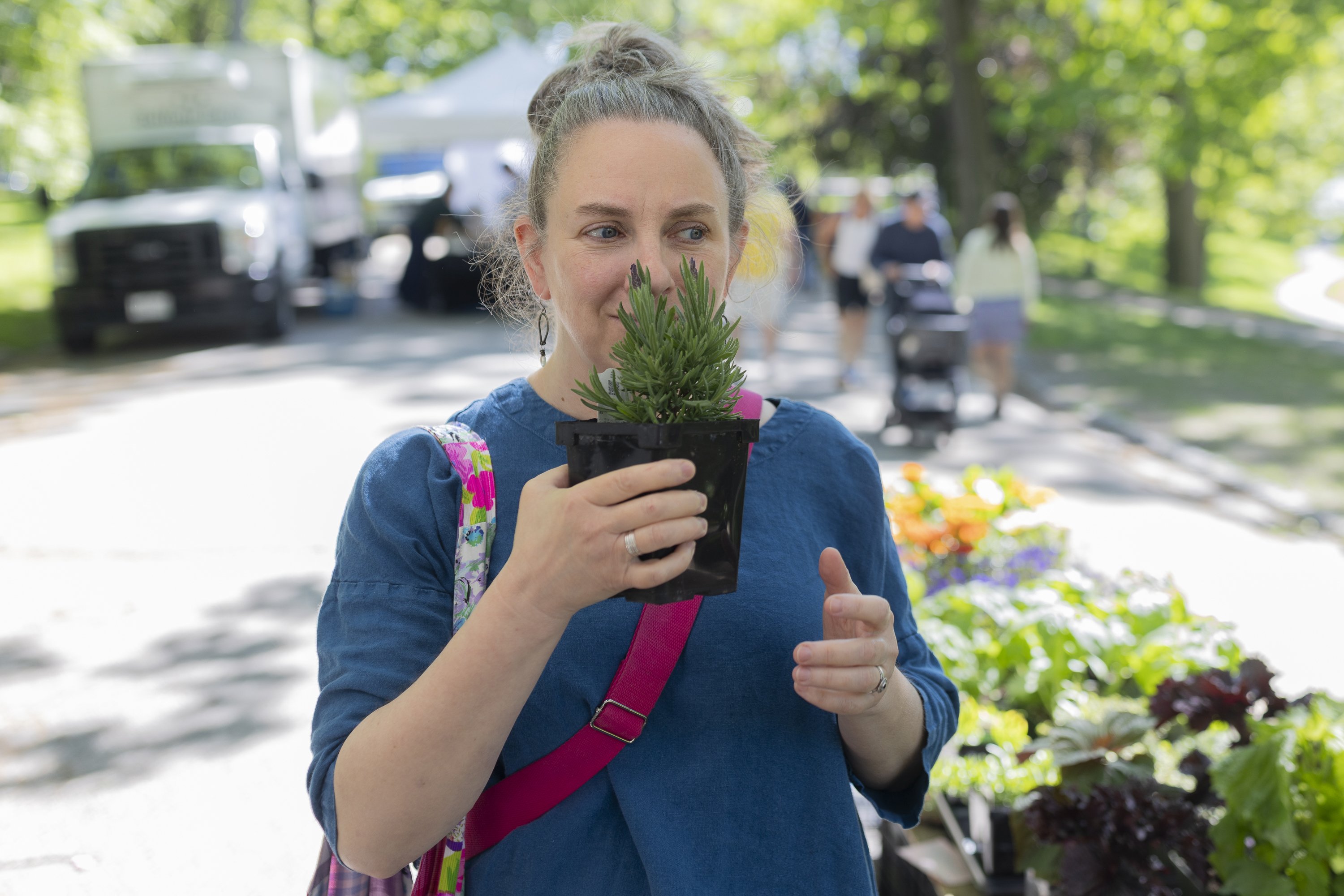
And what better audience for that than children? Beyond just tasting food, children also squeeze it, stack it, pour it, throw it on the floor. “Food uses all their senses,” Carmel said. “They smell it. They taste it. They touch it, especially infants — everything’s about putting things in their mouths.”
PICKY, PICKY
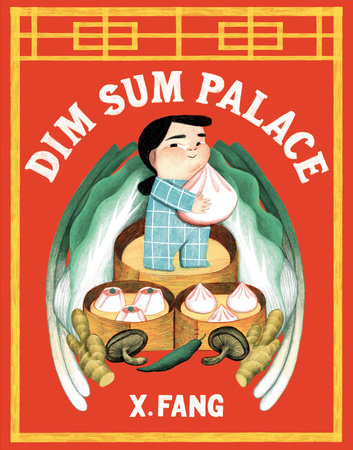
Food is high on the list of anxieties for many new parents: Is my child eating enough? Eating the right things? Turning into a picky eater? If kids relate to food, so do their parents. Fang once heard from the mother of a little girl who’d read and loved Fang’s “Dim Sum Palace.” The girl begged to go out for dim sum, “‘but not really,'” the mom told Fang, “‘because all she eats is chicken nuggets and box mac ‘n’ cheese.’ “
“But she aspires,” Fang said, “and that’s a good start, just having the curiosity.”
CONNECTING CULTURES
Fang speculates publishers like food books because they’re evergreen. “Stone Soup,” for one, dates back to at least the 18th century. Publishers today are also keen on multicultural books. “And food is such a good entry point to talk about other cultures,” Fang said, something she herself did beautifully with “Dim Sum Palace.”
Not that she needed any nudges from publishers. “I love drawing food,” she said. “It’s a great excuse to quote unquote ‘do research.'” In the case of “Dim Sum Palace,” that meant eating and cooking a lot of dumplings.
SOURCE OF INSPIRATION
Falatko’s first book, “Snappsy the Alligator” (Did Not Ask to be in This Book),” “dropped into my head all at once while I was making dinner.” She still remembers what she was cooking (pasta), which then crept into the book; Snappsy goes to the market and buys groceries that all start with the letter “p” — pickles, peanut butter, popcorn and … pasta.
“I had to run away from dinner and yell to my husband that he had to finish so I could write it all down,” Falatko continued. “If you’re making something like pasta that you’ve made a thousand times, you don’t really have to pay attention to what you’re doing. You’re not just sitting at your desk thinking, what should I write next, right? There’s a movement and a rhythm and a sequence (to cooking), but it allows your brain to go off on imagination tangents. It dropped into my head. Then of course I thought, ‘Well great, this is how it works.’ “
It hasn’t happened with another book since.

We invite you to add your comments. We encourage a thoughtful exchange of ideas and information on this website. By joining the conversation, you are agreeing to our commenting policy and terms of use. More information is found on our FAQs. You can update your screen name on the member's center.
Comments are managed by our staff during regular business hours Monday through Friday as well as limited hours on Saturday and Sunday. Comments held for moderation outside of those hours may take longer to approve.
Join the Conversation
Please sign into your Press Herald account to participate in conversations below. If you do not have an account, you can subscribe here. Questions? Please see our FAQs.