


A late May frost settled upon the blueberry barrens at Smithereen Farm in Pembroke, pooling in the hollows overlooking Cobscook Bay and threatening buds that bloomed during the heat of the recent false spring.
Severine von Tscharner Fleming walked her barrens the morning after the frost in search of damage caused by the 60-degree temperature swing. To her surprise, the pink and white bell-shaped flowers were holding on. She saw tiny fruit emerging, right on time.
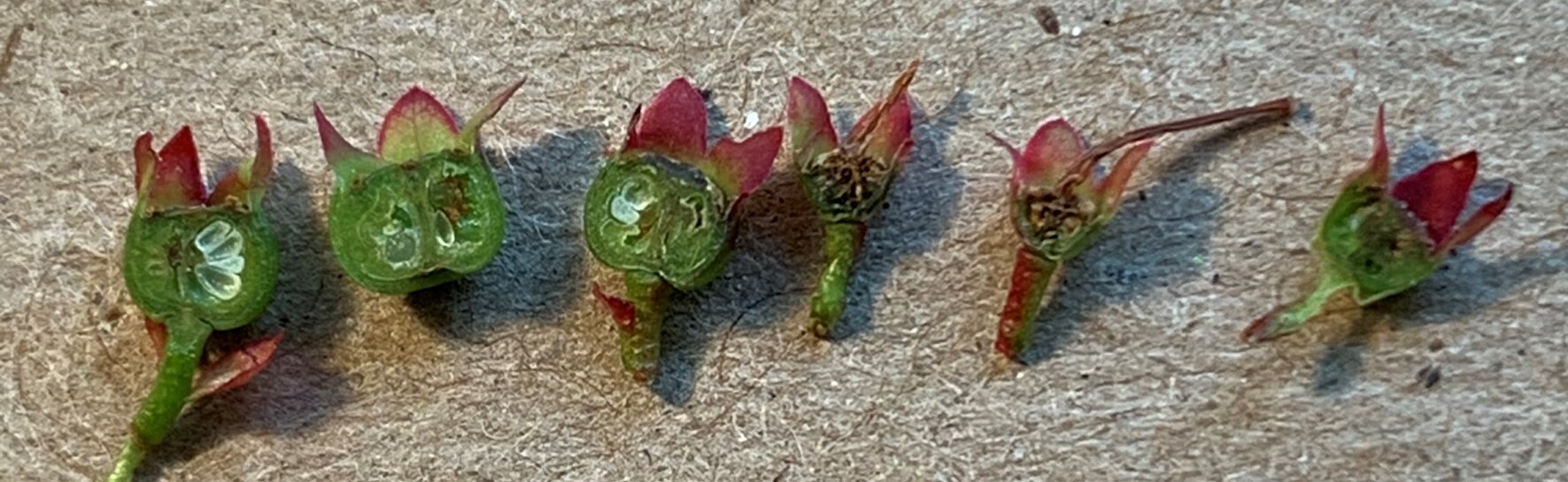
Fleming won’t know if her harvest was truly spared until the new fruit, also called pinheads, grow large enough to cut in half. If the flesh inside is green, the fruit survived the frost, but a brown interior means the berry is dead.
“We have learned to bide our time with these long cold springs,” said Fleming.
A similar vigil is playing out in frostbitten blueberry barrens across Maine, highlighting the vulnerability of one of the state’s signature crops to climate volatility and the growing divide between those who can and cannot afford costly defenses.
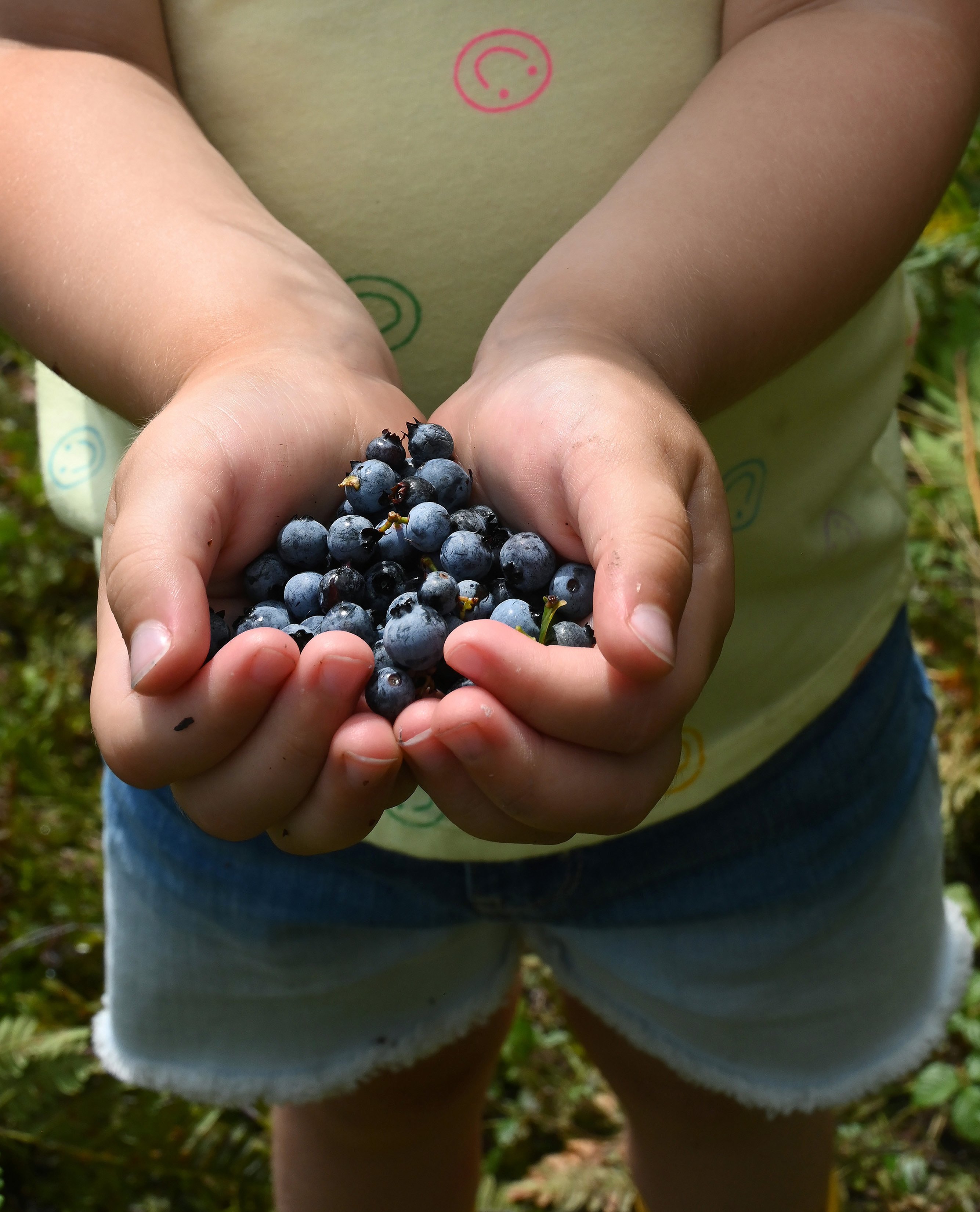
It is a uniquely Maine crisis. The state produces 99% of the nation’s wild blueberries, a native ground-hugging ecosystem that favors the acidic soil left behind by retreating glaciers. Unlike high-bush berries, wild berries are tended in their native barrens, not planted.
The volume and value of Maine’s wild harvest is as volatile as the changing climate. Last year, growers earned $38.7 million from a 57.5 million pound harvest — an 11% year-over-year profit loss and a 36% decline in volume, the U.S. National Agricultural Statistics Service reported.
In a letter to Maine’s congressional delegation last month, the Wild Blueberry Commission of Maine estimated the industry suffered $28 million in losses in 2025 due to heavy rains during the pollination season followed by a heatwave and a flash drought during harvest.
“It is far too early to tell the extent of the spring damage,” said Eric Venturini, the commission’s executive director. The damage has a “patchy distribution” across the state, he said. Some may face heavy losses, while others just miles away might see none at all.
Mainers who love to eat low-bush berries sold at farmers markets and the roadside stands that pop up along Route 1 probably don’t have to worry about a shortage.
The hardest hit areas appear to be the inland barrens in Washington and Hancock counties that feed the national frozen berry market, not the Midcoast barrens that supply the local ready-to-eat market, Calderwood said.
In the latest frost, the ocean acted as a thermal buffer for coastal farms, keeping temperatures safely above the freezing mark. Meanwhile, inland glacial plains — essentially sand and gravel with little heat-holding capacity — bore the brunt of the freeze.
A University of Maine weather station posted in the blueberry barrens at the old Annie Mills Homestead in Aurora recorded a 69-degree temperature swing in late May. One day, the heat hit 90 degrees. Two days later, 21 degrees.
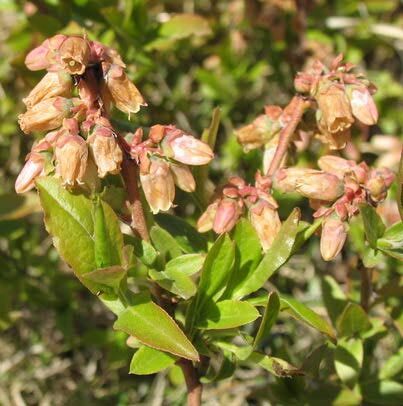
When the hard frost began to thaw, many of the paper-thin blossoms collapsed into brown mush, according to Lily Calderwood, a wild blueberry specialist at University of Maine Cooperative Extension. If the flower collapses, bees can’t pollinate the plant.
Wild blueberries grow on a two-year cycle, meaning a freeze this year can erase two years’ work, Calderwood said. Barrens that growers mowed or burned to the ground last year should produce berries this summer. If the harvest is already lost, though, farmers may not want to invest in fertilizer.
Lisa Hanscom, manager of Welch Farm in Roque Bluffs, is waiting to see the extent of the damage to her 32-acre coastal barrens. She woke on June 1 to see a blanket of white frost on her plants, which were late to bloom this year.
Last year, the heat and deepening drought left Hanscom with just 4 acres of fruit to rake at harvest time. The berries on the other 28 acres withered on the vine. Neither Hanscom nor her father, who is in his mid-70s, could recall a smaller harvest, she said.
“I knew we might be in trouble again when I woke up to ice on my truck windshield,” she said.
Hanscom, a school bus driver, is up early most days. She’s used to cold starts. That morning, it was 32 degrees when she got up at 5:30 a.m. That’s not a hard frost, but she saw how it clung to the barrens that she passed while transporting students around Washington County.
“Our plants were already in distress from drought,” she said. “Not sure they can handle more.”
The industry, which employs about 2,500 people, deserves to catch a break, Hanscom said.
That break could come in the form of an irrigation system, something Hanscom doesn’t have. She’s not alone. According to the Wild Blueberry Commission of Maine, an estimated 65% of Maine’s wild blueberry growers do not use irrigation.
Irrigation can be a climate shield against heat, cold and drought — for those who can afford it.
Running water over the bushes creates a protective ice layer during a frost that keeps flowers at a constant 32 degrees. As long as the water is moving, the cells do not freeze and remain intact. In high heat, the rapid evaporation of spray cools the air and berries and prevents pollen damage.
The seesawing temperatures damaged more than just Maine’s wild blueberries. Farmers across Washington County lost their tomato plants in last month’s frost, Fleming said. She lost her elderberries. The peach and plum trees near the house have yet to set fruit.
But fate and geography may have protected Smithereen Farm from the worst of that late frost. The shaggy condition of her blueberry barren — some maintenance was deferred because of family matters — may have created a moist, warm buffer that kept the cold out, Fleming said.

We invite you to add your comments. We encourage a thoughtful exchange of ideas and information on this website. By joining the conversation, you are agreeing to our commenting policy and terms of use. More information is found on our FAQs. You can update your screen name on the member's center.
Comments are managed by our staff during regular business hours Monday through Friday as well as limited hours on Saturday and Sunday. Comments held for moderation outside of those hours may take longer to approve.
Join the Conversation
Please sign into your Press Herald account to participate in conversations below. If you do not have an account, you can subscribe here. Questions? Please see our FAQs.