


The deadline is approaching for states to opt in to the country’s first national school voucher program, and Maine is one of a minority of states that has not yet made a decision.
The scholarship program, which effectively creates a funding mechanism for private schools that didn’t previously exist, is a nationalized version of a long-held conservative policy position. But each state gets to decide whether it wants to participate.
A spokesperson for Gov. Janet Mills, who is termed out and will leave office in early January, said this week that she was still waiting to make a decision, as the final rules of the program remain pending.
The program, officially called the Education Freedom Tax Credit, was created as part of President Donald Trump’s One Big Beautiful Bill Act and signed into law last summer. It allows individuals to make tax-deductible donations of up to $1,700 to scholarship organizations, which then issue grants to students that cover private school tuition, tutoring or other educational expenses.
School voucher programs are often promoted by Republicans, who decry poorly performing public schools and argue low-income students and their families should have the option to access private education. That often means faith-based schooling, like in New Hampshire, where 90% of 2022-23 tuition spending in its state program went to such schools.
Many Democrats argue that vouchers divert money from public schools, leading to further enrollment declines that will make public education even more under-resourced. In Maine, where, enrollment has dropped more than 6% in a decade, consequences could be dire.
The program officially begins in January 2027, and just 13 states have yet to take official action on the program, although Maine is in good company in New England, where only New Hampshire Gov. Kelly Ayotte, a Republican, has announced an intention to participate. Massachusetts Democratic Gov. Maura Healy has taken the same position as Mills, and is waiting to decide.
A few Democratic state leaders, like New York Gov. Kathy Hochul and Colorado Gov. Jared Polis, have surprised constituents by announcing they would opt in. Hochul, who is waiting to actually sign the form until after the details on the program are released, said she supported the program, “and its potential to help New York students and schools,” but received some backlash from her party.
The primary election to determine candidates to replace Mills wrapped last week after a long ranked-choice voting tabulation, and the November ballot will be a three-way race. The Portland Press Herald asked each of the candidates whether they would sign up, and also asked legislative leaders if they plan to wade in.
WHAT DO THE CANDIDATES THINK?
Rick Bennett, a former Republican state lawmaker who withdrew from the party last year and qualified for the ballot as an independent, said he would consider joining the program, “if there’s a way to use the tax credit on our terms, without taking resources away from public schools, with full accountability and transparency.”

In a written statement from his campaign, Bennett said his vision is for every Maine student to have access to a strong education, and that if families “need additional options,” he’s open to that approach. He said his goal is to prioritize improving literacy and math skills, supporting teachers and preparing students for careers.
“Families will have less reason to look elsewhere when Maine’s schools are once again among the best in the country,” he said.
But Hannah Pingree, the Democratic nominee, said she would not opt in. She said her concern is that federal rules may prevent states from setting their own standards that make sure the neediest students receive the scholarships.
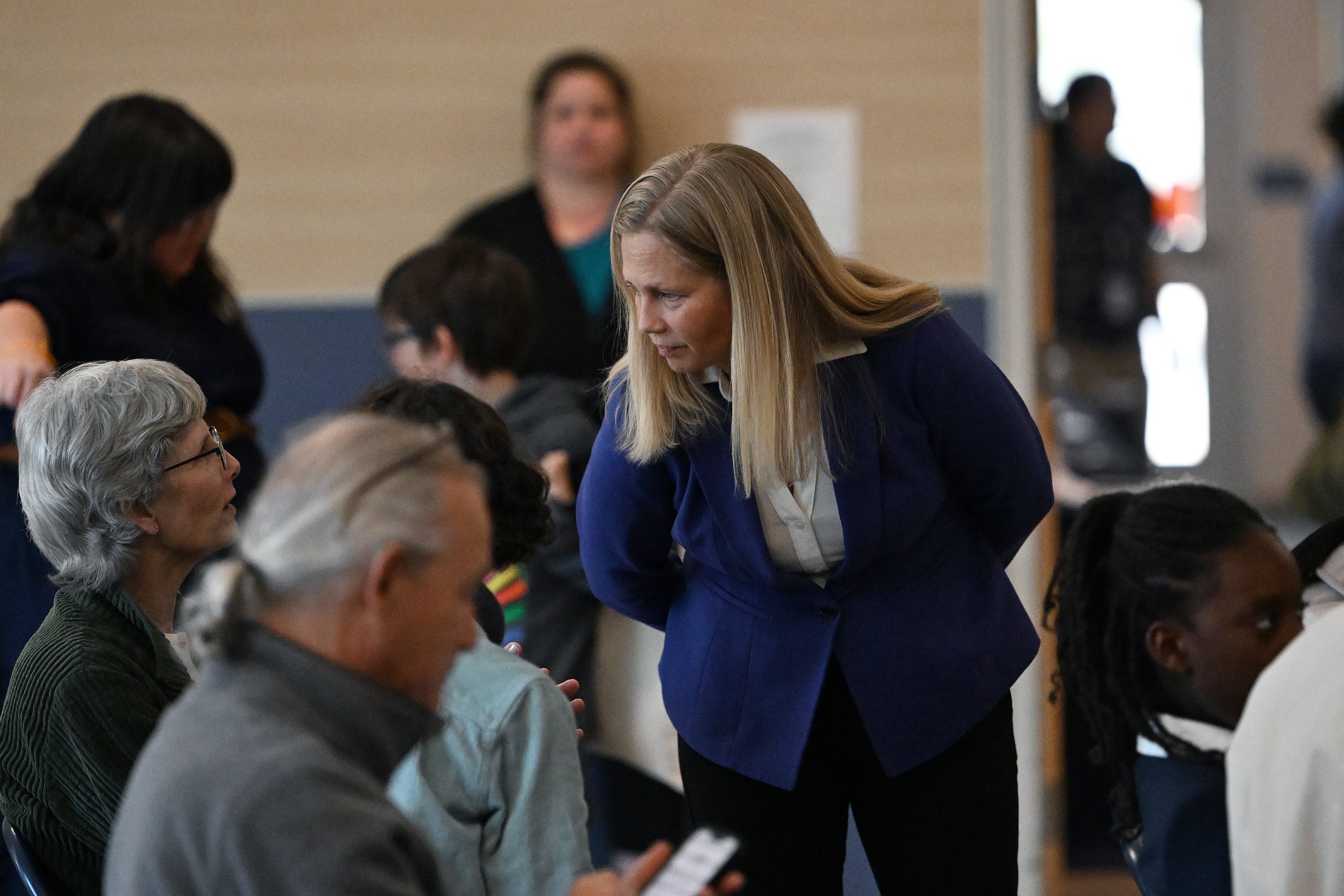
“We need better outcomes, but diverting public money is not the right path forward,” Pingree said in a written statement. “That said, if states are given the freedom to shape this program in ways that don’t harm public schools, I will look hard at that option as Governor. If not, we won’t opt in.”
Pingree — a former member of the North Haven Community School Board who touted her status as the only candidate with students in Maine public schools during the primary — said, “supporting public education is at the core of who I am and how I will govern.”
Republican nominee Bobby Charles’ campaign did not respond to a request for comment before the publication deadline.
LEGISLATIVE OVERRIDE
In many states, lawmakers have waded in or even overridden their executives’ decisions.
Five state legislatures passed bills to opt in that were vetoed by their governors; three of those states (North Carolina, Kentucky and Kansas) overrode those vetoes. All have divided governments, with Democratic governors and Republican legislatures.
The reverse situation happened in Rhode Island, where the state Legislature blocked the governor from opting in to the program last week.
It’s too early to know how Maine’s Legislature, where all 186 House and Senate seats are up for grabs in November, might respond to a decision by Mills or a future governor. The Legislature did not take up any bills about the issue during the latest session.
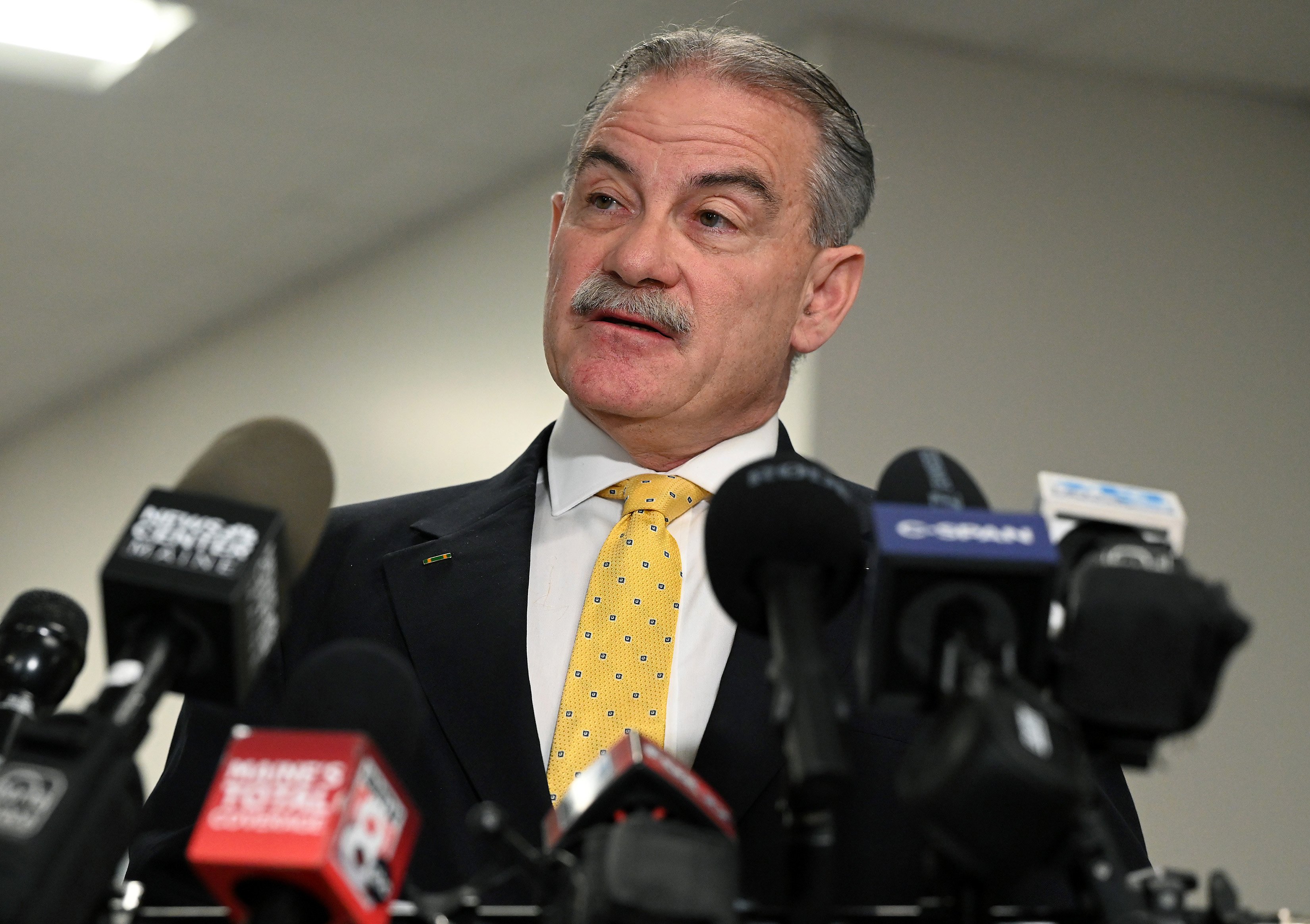
Maine House Speaker Ryan Fecteau, a Democrat, deferred comment to the Education Committee chairs. In an email Wednesday, Rep. Kelly Murphy, D-Scarborough, the House chair, expressed displeasure with the program, which she said, “favors families that already have the ability to pay for private schools at the expense of families with students enrolled in public schools.”
Murphy said the program would result in further public school declines and be especially detrimental to students in small rural schools.
Senate President Mattie Daughtry, also a Democrat, did not return a request for comment before publication.
A spokesperson for the IRS, which is handling enrollment in the program, did not respond to questions asking for clarification on the timing of the program, but it appears that states will have the option to enroll in future years. That means whomever claims the Blaine House and legislative chambers in November could choose to join in for 2028 even if Maine sits out the program next year.

We invite you to add your comments. We encourage a thoughtful exchange of ideas and information on this website. By joining the conversation, you are agreeing to our commenting policy and terms of use. More information is found on our FAQs. You can update your screen name on the member's center.
Comments are managed by our staff during regular business hours Monday through Friday as well as limited hours on Saturday and Sunday. Comments held for moderation outside of those hours may take longer to approve.
Join the Conversation
Please sign into your Press Herald account to participate in conversations below. If you do not have an account, you can subscribe here. Questions? Please see our FAQs.