


At the close of 2025, state and national housing experts predicted a shift in the real estate market.
It had been more than five years of a landscape that aggressively swung in favor of home sellers. Low inventory and high demand pushed up prices and moved home ownership out of reach for many.
But there were signs the market may be softening and many believed things would continue to balance out in 2026.
Halfway through the year, prospective homebuyers are still waiting for that shift.
“I would not describe it any other way than the trenches,” said Lizzy Gillen, who closed on a four-bedroom home in Augusta last week.
Aaron Kregenow, who also recently bought a home in Augusta, called the process an “emotional rollercoaster.”
At face value, things are trending in the right direction. Real estate professionals have reported a steady rise in inventory over the last several months, giving buyers more options. Homes are staying on the market a little longer and the meteoric price growth of the last few years is slowing.
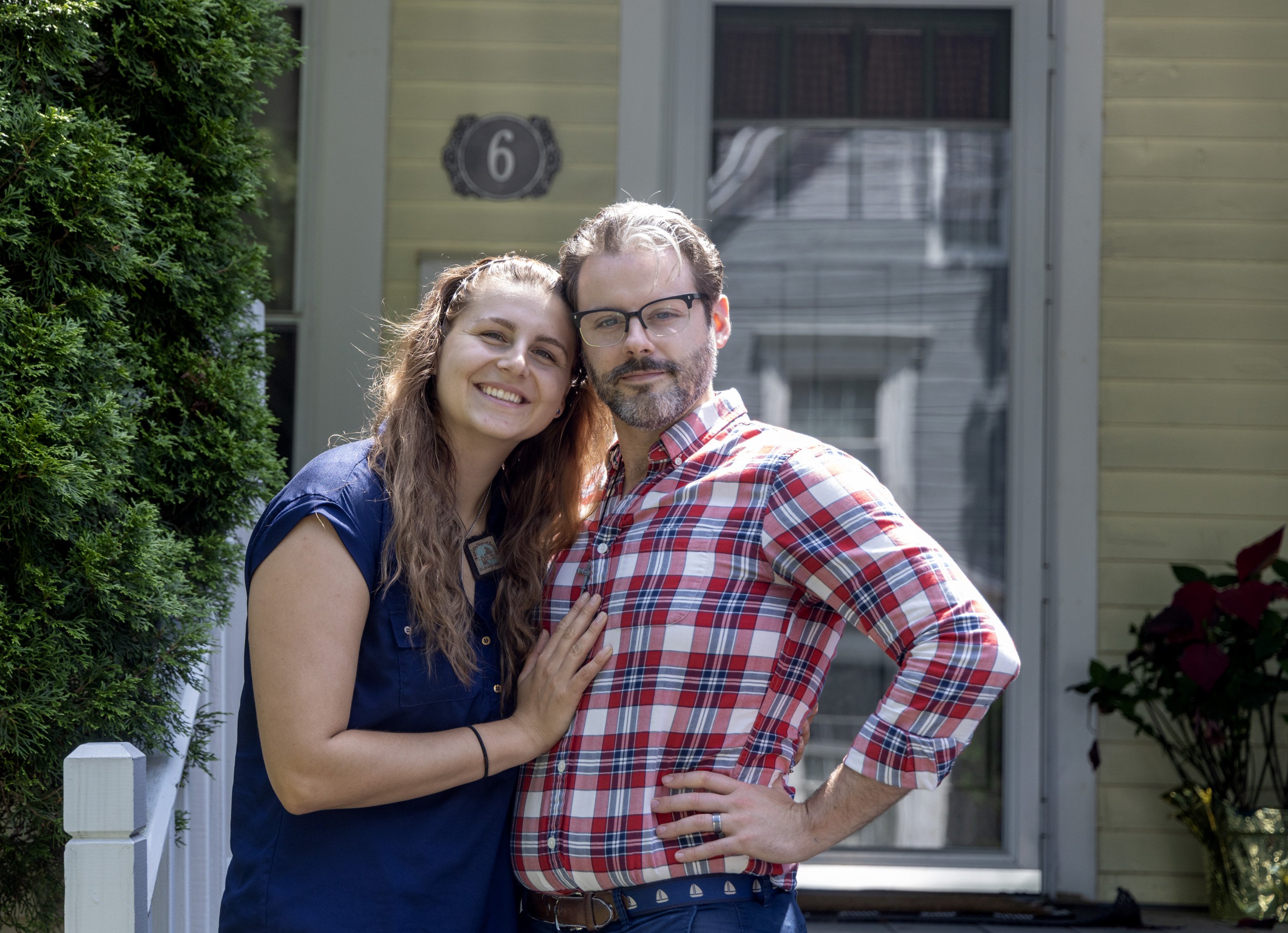
But for people like Kregenow, 32, and Gillen, 28, that’s of little comfort. More options don’t matter much if they’re all out of your price range, and slower price growth doesn’t help if the prices are already well above what you can afford.
Before the pandemic, people between the ages of 20 and 40 made up the vast majority of Steve Levine’s sales.
“Now, feasibly, they just can’t do it,” said Levine, owner of Westbrook-based American Real Estate. “I just don’t see it getting better.”
A MOVING GOAL POST
Maine’s median home sale price was $436,000 last month, according to recent data from the Maine Association of Realtors. That’s a new record.
For the first six months of 2026, the average median home sale price was $405,395.
The median means that half the homes sold for more and half sold for less.
This is the first year there’s been a January-June median above $400,000, despite sub-$400,000 medians for the first few months of the year.
At the same time in 2021, the average median was $277,208. That’s a 46% increase in five years.
Each year since 2021, the year-over-year average median (of the first six months) has increased by at least $20,000. This year, however, the average median is only about $6,500 higher than the year before, suggesting that while prices are increasing, they’re doing so more slowly.
Tom Landry, at Benchmark Real Estate in Portland, is optimistic that next year will finally be the market that favors buyers. But right now, he said, prices and interest rates have created an “affordability crisis” that leaves some boxed out.
Kregenow, for example, tried to do everything right. After college, when a lot of his friends started buying houses, he decided to wait a few years so he could keep saving and eventually have 20% of a down payment.
Then the pandemic hit, the market went haywire and a few years turned into eight.
“I can’t control what the market is and that’s why it was so frustrating because you’re trying so hard to save but you can’t even dream of coming close to saving enough,” he said. “It’s like you kick a field goal and as the ball’s in the air, the field goal just moves 200 yards back.”
STILL NOT ENOUGH HOUSING
By June, 6,515 Maine homes had changed hands this year. That’s almost 2,000 more than the first six months of last year and is the best January-June since 2022.
Matt Pouliot, an Augusta-based real estate agent, said more sales and more homes on the market isn’t necessarily a sign that things are improving.
“People are really fully understanding that this is the new normal and that we’re not going to see some significant drop-off in interest rates or prices of homes,” he said. “People who have been waiting on the sidelines are saying ‘hey, it’s time to make a move.'”
There’s still not enough housing to meet the demand and, until the state ramps up production in a big way — specifically entry-level housing below $400,000 — the conversation will be the same in the next six months and for every six months after that.
Maine municipalities issued about 7,500 building permits last year and 3,200 certificates of occupancy (though only 61% of municipalities track certificates of occupancy).
Technically, that’s in line with the 2025 target that officials set as the first step in the yearslong effort to close Maine’s gap of 84,000 homes. But Pouliot argues it’s not enough.
“We created less than 4,000 places to live in a state of 1.4 million people,” he said. “People can’t find a home because it doesn’t exist.”
“The reason we had 1,600 (sales) in June and not 3,600 is not because there aren’t 2,000 more people who want to buy,” Pouliot said.
It’s because there aren’t 2,000 more homes available.
That lack of homes is further clogging up the housing pipeline.
“I always tell clients that selling your house is easy, it’s ‘where are you going to go?'” said Levine at American Real Estate. “This is scaring the hell out of sellers of preexisting homes.”
PUTTING DOWN ROOTS
Kregenow and Gillen, friends and former coworkers, entered the market in early 2026, each looking for what should have been a simple find: what Gillen called “the generic Maine starter home.”
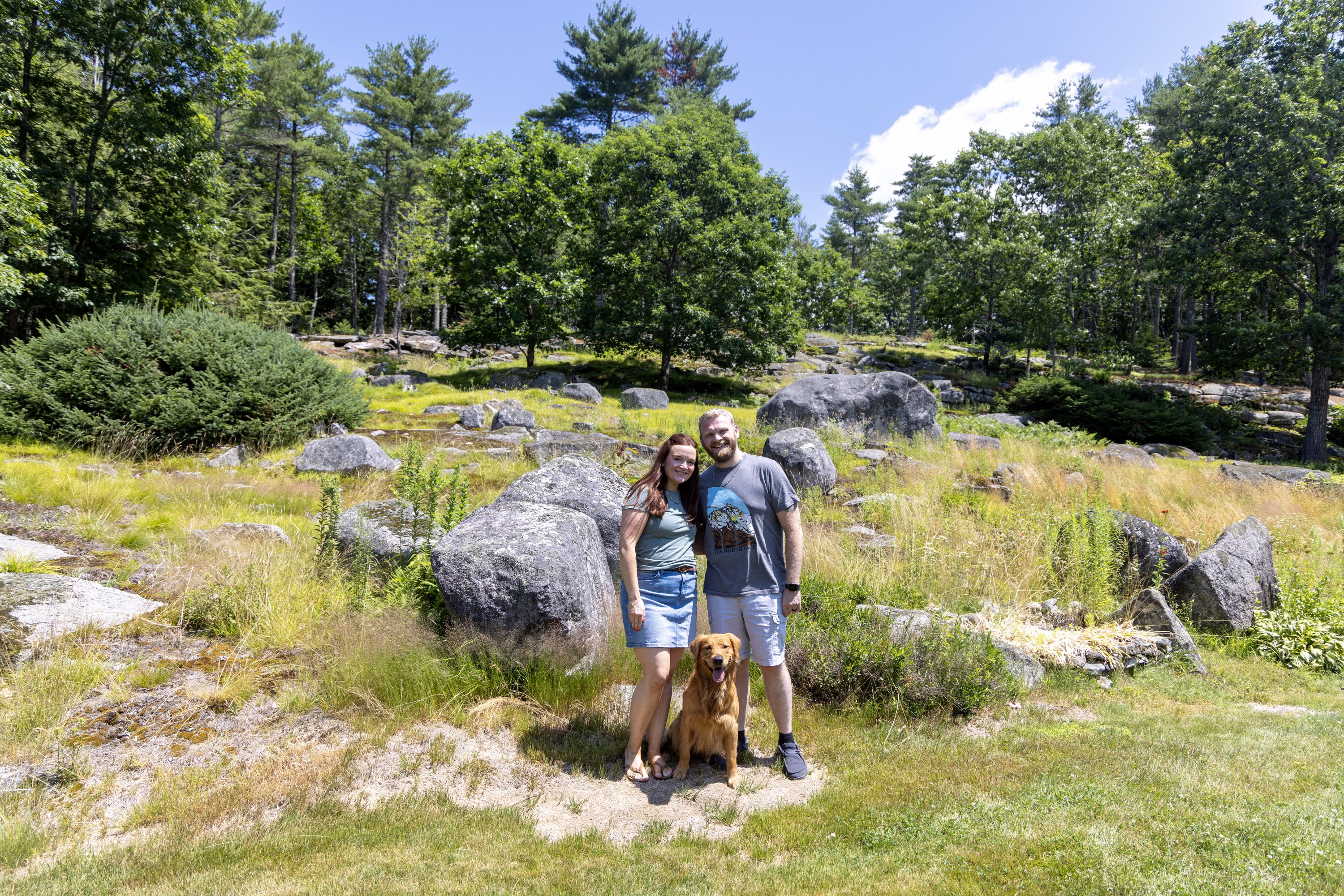
They both had a budget around $300,000, slightly above the median for Augusta.
Pickings were slim. Everything in that price range fell short of expectations. Many houses needed big ticket renovations like a new roof or serious updates.
Then they each heard about a four-bedroom 120-year-old Sears and Roebuck catalog home close to town that had “the most beautiful white picket fence” Gillen had ever seen.
But in a tight market, a desirable well-priced home will draw the interest of multiple house hunters — including Kregenow and his wife.
It didn’t take long before they realized they had their eye on the same home.
Gillen hated the idea of getting into a bidding war with her friends. She called her real estate agent and canceled the showing.
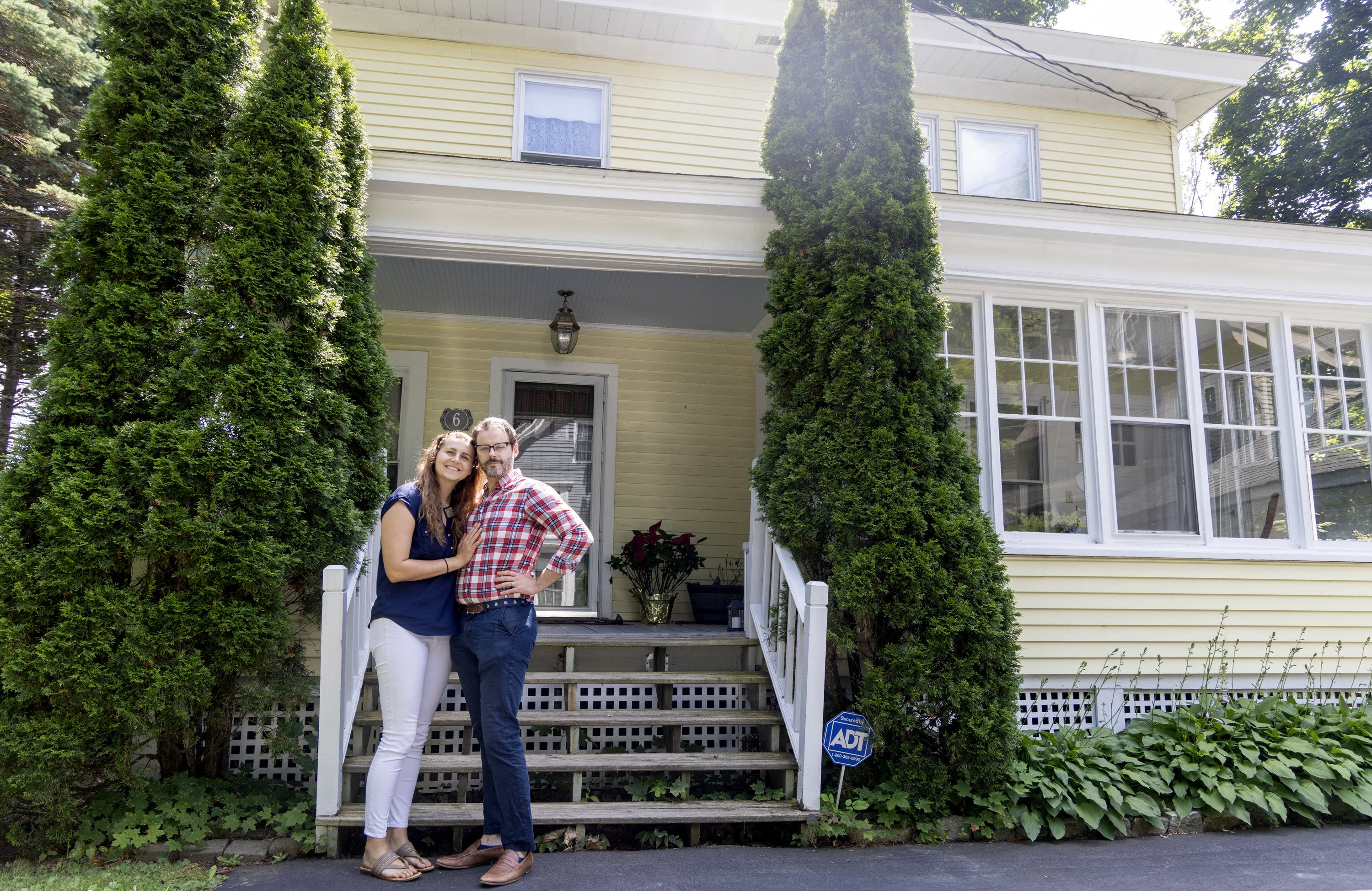
Kregenow and his wife bought the house, but a few months later, Gillen and her husband found a ranch on 2 acres with blueberry bushes and refurbished oak floors that the seller salvaged from a 1940s barn fire in Jackman.
Although things ultimately worked out for her, Gillen lamented the state of the housing market for young people.
“There shouldn’t be people saying they make great money, they went to college, they pay their bills, they’re in a great place but they just can’t buy a house. I feel like that’s really sad,” she said. “People shouldn’t have to fight so hard to stay in the place that they love and that they want to plant roots in.”

We invite you to add your comments. We encourage a thoughtful exchange of ideas and information on this website. By joining the conversation, you are agreeing to our commenting policy and terms of use. More information is found on our FAQs. You can update your screen name on the member's center.
Comments are managed by our staff during regular business hours Monday through Friday as well as limited hours on Saturday and Sunday. Comments held for moderation outside of those hours may take longer to approve.
Join the Conversation
Please sign into your Press Herald account to participate in conversations below. If you do not have an account, you can subscribe here. Questions? Please see our FAQs.