

A new report by the Northeast Climate Disaster Relief Network outlines the recent challenges farms have faced, from extreme heatwaves to intense rainfall. It highlights loss of profit, unpredictable yields and labor stress as the main impacts on agriculture.
From a financial perspective, the report touches on crop insurance, disaster relief and infrastructure funding. In 2023, $22 billion worth of crops were lost due to major disasters; about half of that was covered by federal assistance, leaving over $10 billion for farmers to overcome.
In response, the report calls for coordinated action to build a more durable safety net when farmers face increasingly common harsh weather.
In Maine, unpredictability like 12 straight Saturdays of rain and a June morning in the mid-30s, has forced some to adapt their planting habits to continue production and safeguard their businesses.
“The trick to climate change is that we don’t have dry years or wet years,” said Caleb Goossen, a conservation specialist at Maine Organic Farmers and Gardeners Association (MOFGA). “So instead of just a wetter summer, it’s the summer where it keeps raining.”
Here’s what three local farms said about how the shifting conditions are affecting their work.
Crowfoot Farm, Lyman
Emma Sanchi, 31, is the owner and sole farmer at Crowfoot Farm in Lyman growing a variety of vegetables and herbs to be sold through a CSA and wholesale.
The most noticeable consequence of the changing weather patterns is the increase in the pest population, which loves to chew on Sanchi’s vegetables, as well as hungry deer who can wipe out entire rows of vegetables.
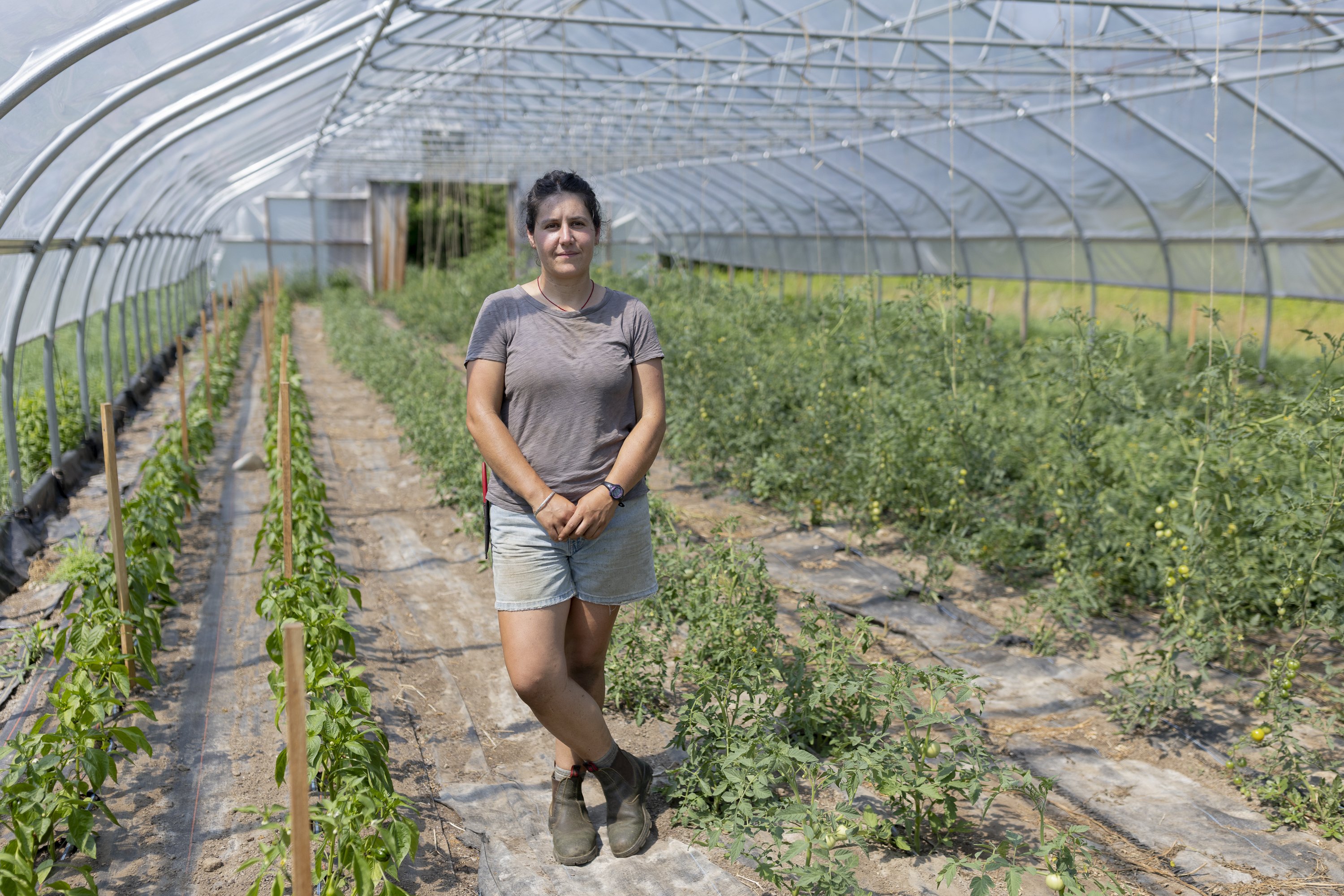
“I cover all of my brassicas with insect netting or row cover,” Sanchi said in an interview. “That keeps out, for the most part, cabbage worms and flea beetles, and also keeps deer off of the crop.”
The increased heat and humidity are also conducive to new diseases that can ruin crops, according to Goossen, of MOFGA. He runs a newsletter that informs Maine farmers about disease issues and how to manage them.
High tunnels have been the best solution for pests, diseases and poor weather, the report says, though they can cost upward of $15,000. Sanchi has one tunnel and applied for a grant from the U.S. Department of Agriculture to build another.
Crystal Spring Farm, Brunswick
Seth Kroeck farms 187 acres of crops in Brunswick, 72 of which are wild blueberries. He talked about the challenges of insuring his specialty crop in the report.
Late freezes that can kill blueberries have become more common. In 2025, the Wild Blueberry Commission of Maine estimated $28 million in losses due to heavy rains, extreme heat and drought at various points throughout the growing season.
Unable to receive insurance aid after using it the prior seasons, Kroeck said he couldn’t recoup his loss of acres of blueberries, so he applied for the USDA’s Supplemental Disaster Relief Program. But the country was in the middle of a government shutdown, and Crystal Spring Farm almost went under.
Kroeck advocates for planting diversified farms to protect against the shifting climate that impacts each crop differently.
Veggies to Table, Newcastle
Erica Berman is the co-founder of Veggies to Table, an organic garden in Newcastle that donates all of its produce to local people experiencing hunger. Since starting her nonprofit in 2019, the biggest change Berman has noticed in regard to planting, and subsequently harvesting, is garlic.
“When I started gardening and farming, (planting) was the weekend of the Common Ground Fair,” she said. “Now we’re planting garlic in November (just like) everywhere in Maine.”
Berman recalled a recent rainstorm that flattened lettuce heads and broke down flowers on the farm, leaving her with some fear over how one 20-minute shower could significantly dampen that week’s yield.
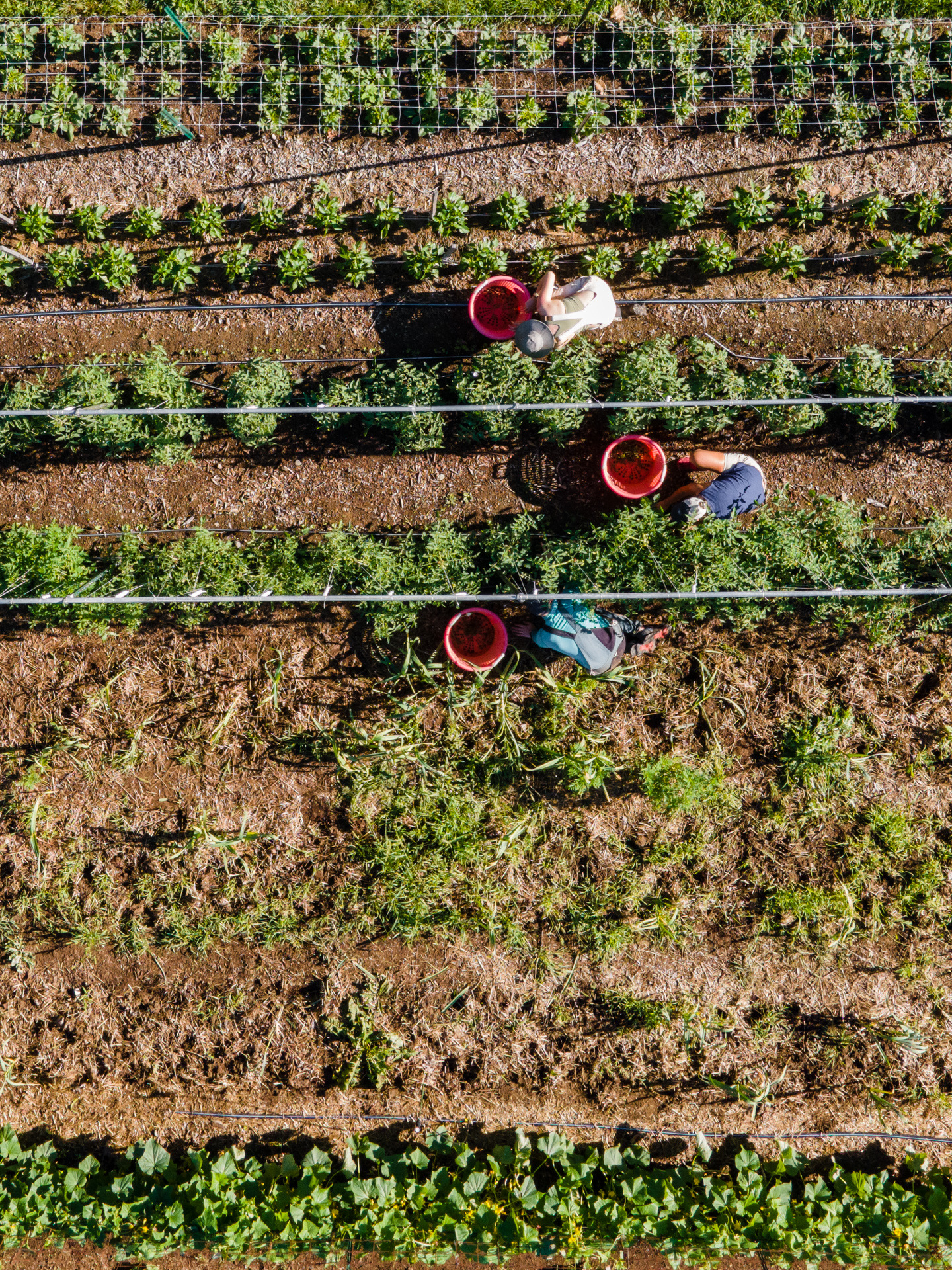
Since Veggies to Table utilizes volunteer work, Berman doesn’t have to expand her payroll like for-profit farms in her area as the harvest seasons get longer and more laborious.
The report corroborates how new weather conditions increase labor costs, whether it be paying for emergency overtime or for protective equipment and cooling stations. With heat and humidity rising in the region, farmers are 35% more likely to die of heat-related illness than workers in other sectors, according to the Northeast Climate Disaster Relief Network.
“There are more blooms creating joy,” Berman said, “but it does mean a lot more work, and there’s a trade-off for that.”

We invite you to add your comments. We encourage a thoughtful exchange of ideas and information on this website. By joining the conversation, you are agreeing to our commenting policy and terms of use. More information is found on our FAQs. You can update your screen name on the member's center.
Comments are managed by our staff during regular business hours Monday through Friday as well as limited hours on Saturday and Sunday. Comments held for moderation outside of those hours may take longer to approve.
Join the Conversation
Please sign into your Press Herald account to participate in conversations below. If you do not have an account, you can subscribe here. Questions? Please see our FAQs.