


Research efforts have failed to unlock a cure and much more work is needed, the Alzheimer’s Foundation of America says at a gathering in Portland where Sen. Susan Collins gave the keynote speech.
Health
Health and lifestyle stories from the Portland Press Herald.
Posted inBusiness, Health, Nation & World
Opioid distributors propose $10 billion to end state claims
The National Association of Attorneys General – handling talks on behalf of more than 35 states – counter with a demand for $45 billion to cover costs from the public-health crisis of opioid addiction and overdoses, sources say.
advertisement
Posted inHealth, Nation & World
Boom in overdose-reversing drug is linked to fewer deaths
The United States is in the midst of the deadliest drug overdose epidemic in its history.
Posted inHealth, Nation & World
For older people, surgery poses risks that aren’t always made clear
The American College of Surgeons endorses new standards that include a discussion of the impacts of surgery in terms older patients can understand.

Posted inHealth, Maine, News
Emergency hospital admissions for drug overdoses have declined in Maine since 2017
The trend mirrors a statewide decrease in overdose deaths, with improved access to Suboxone and naloxone.

Posted inHealth, Nation & World
Trump’s ‘crazy’ drug import plan stirs backlash in Canada
The Canadian Pharmacists Association said it’s “calling on the federal government to clearly express its opposition to U.S. drug importation.”
Posted inHealth, Maine, Nation & World, News
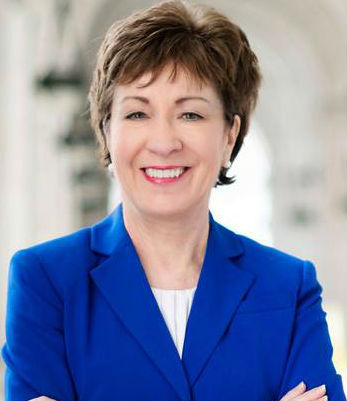
Sen. Collins to keynote Alzheimer’s conference in Portland
The event by the Alzheimer’s Foundation of America is part of a national tour offering free information from experts on dementia and brain health.
Posted inBusiness, Health, Nation & World
Hurry up and wait: Docs say health insurers increasingly interfere
Some doctors find they need more approvals from insurance companies for routine things like medical scans or some prescriptions, which can postpone care for a few days or even weeks.
Posted inBusiness, Health, Nation & World, News
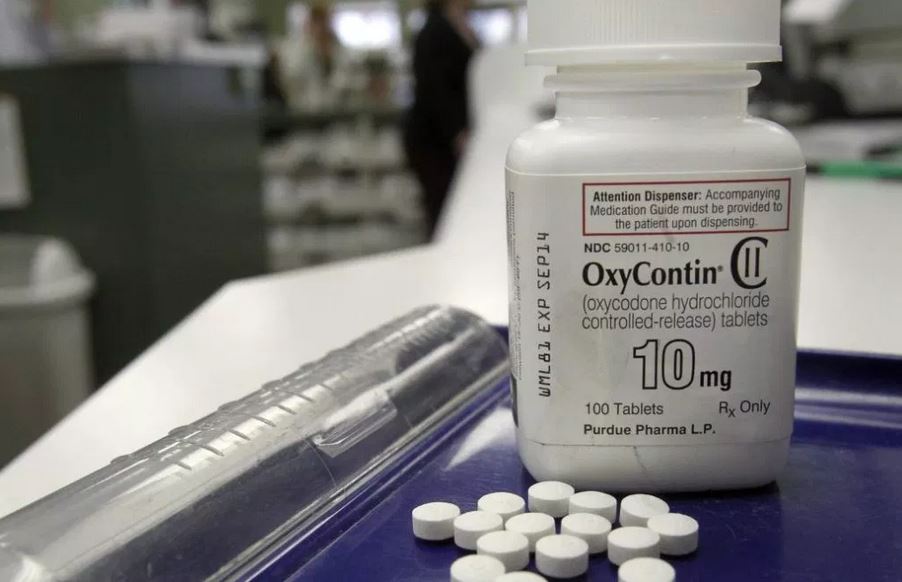
Big question in opioid suits: How to divide any settlement
About 2,000 state and local governments seek to hold the drug industry accountable for the nation’s opioid crisis.
Posted inBusiness, Health, Maine
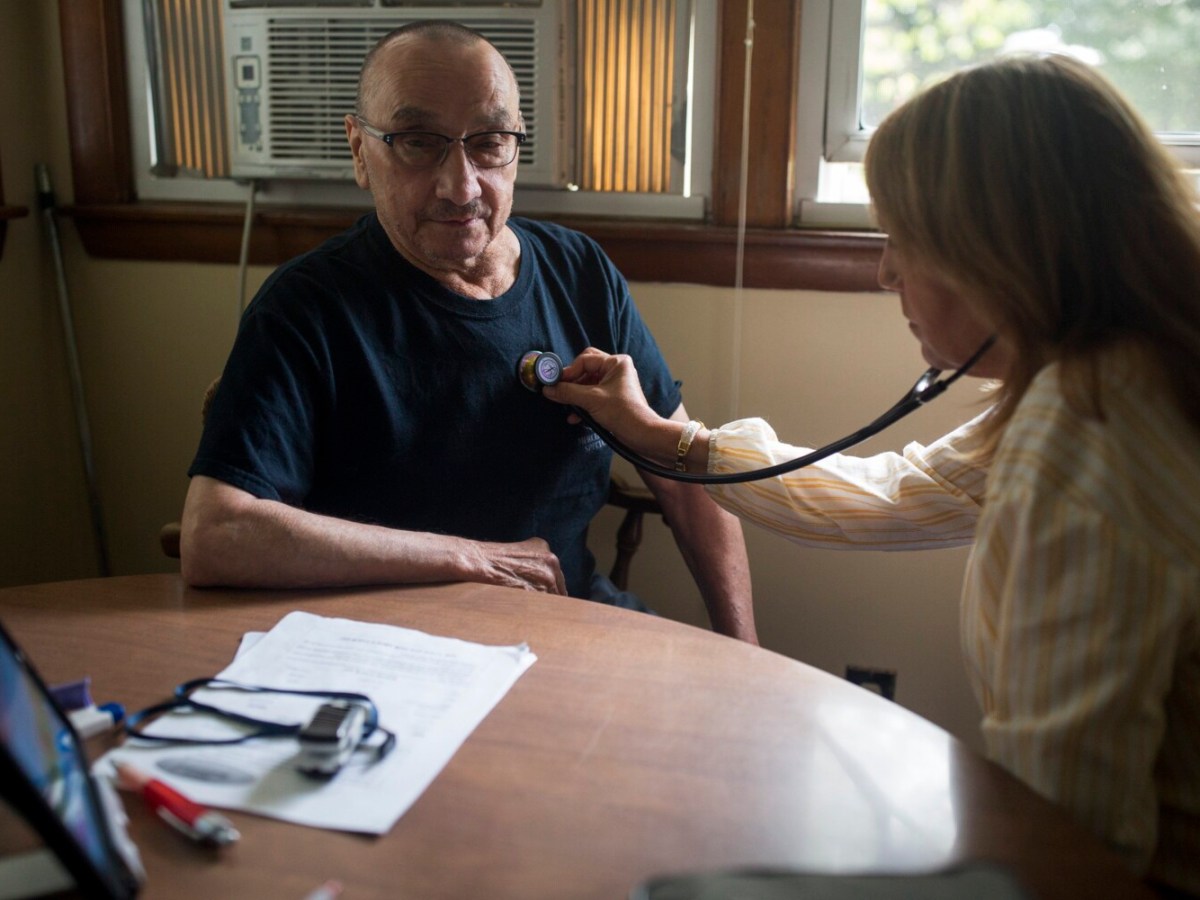
Maine still waiting for internet health care revolution

Poor broadband and out-of-step Medicare policies relegate the state’s use of telehealth to small niches when it should be in the mainstream.