

Around the world, efforts are being made to reclaim wetlands that have been filled in to plant crops or fill other human needs
climate change

Posted inEditorials, Opinion
Our View: Rising rider numbers show that mass transit works in Maine
People who have cars will take the bus to avoid traffic and parking hassles as long as the service is reliable and convenient.
advertisement

Posted inOp-eds, Opinion
Commentary: Changing our thinking about climate change will define a path toward a resilient Maine coast
A conference this week is bringing together fishermen, scientists, policymakers and others focused on forward-looking decision-making.

Posted inBusiness, Maine, News
Hundreds of scientists gather in Portland to address climate change in the Gulf of Maine

The Gulf of Maine 2050 International Symposium is aimed at sharing the latest science on ocean acidification and rising sea levels and ocean temperatures.
Posted inNation & World
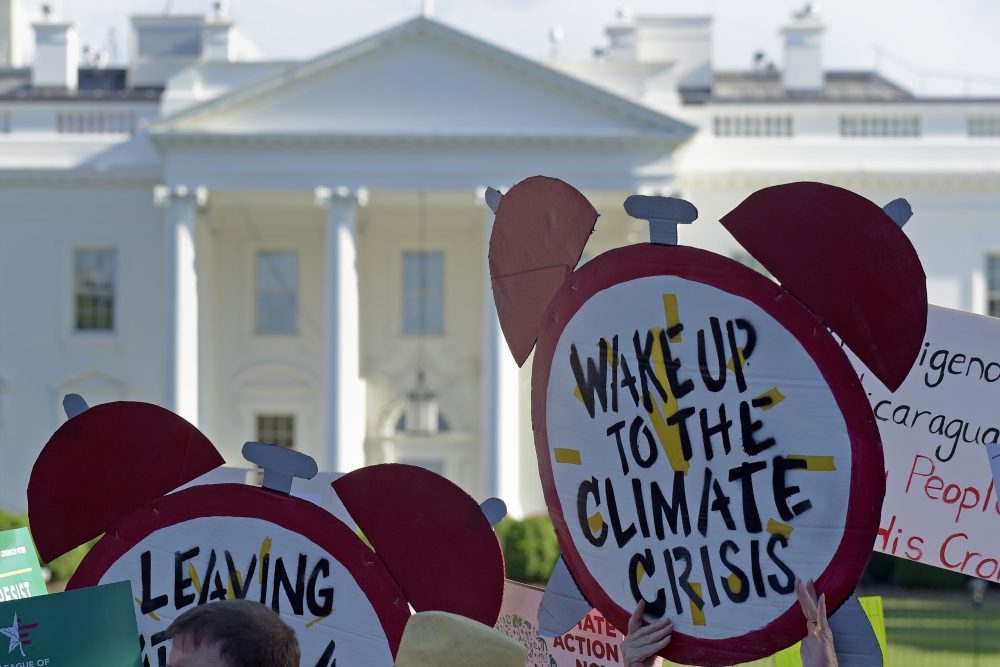
Trump makes it official: U.S. gives notice it will withdraw from Paris climate accord
The official notice means that the United States can leave the Paris agreement by Nov. 4, 2020 – the day after next year’s presidential election.

Posted inNation & World, Uncategorized
Scientists triple estimates of population at risk of coastal flooding
The change is due to radar measurements that introduced flawed land elevation estimates, particularly in Asia.

Posted inBusiness, Maine
Maine lobster landings ‘are way off,’ down 40% from last year

Fishermen had landed less than 50 million pounds by the end of September, a 38% decline from the 5-year average. The state’s top fishing regulator says ‘that doesn’t mean the sky is falling.’

Posted inMaine Voices, Opinion
Maine Voices: Western Maine power line needed to fight climate change
Bringing Canadian hydro power into New England is what we need to replace aging nuclear power plant.

Posted inMaine, News, Schools and Education
Unity College introduces degree with focus on climate change

The school created the degree in order to address the growing interests of students, demands in the job market and the institution’s mission of being “America’s Environmental College.”
Posted inBusiness, Maine, News
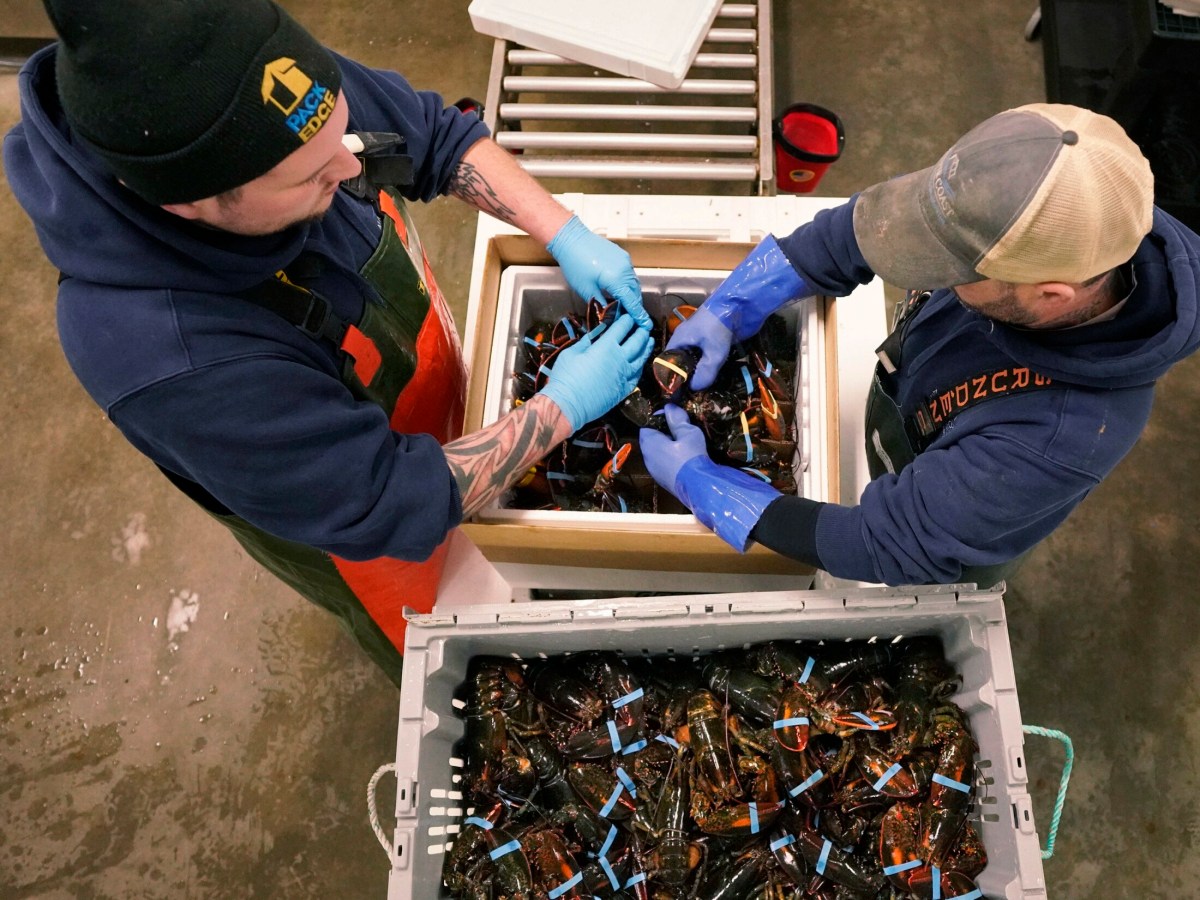
Scientists predict Maine’s lobster boom will end within 5 years

The culprit is a warming Gulf of Maine. But researchers caution that the forecast may be overly dire because lobsters could respond to the warming in unexpected ways.