
At more than 350 years old, Scarborough has many historically and architecturally significant structures, almost all of which are privately owned.
Now, with a resurgence in development following the recent recession, the town is finding ways to encourage developers and others to have a preservation-first attitude when it comes to certain “high-priority” structures.
At a workshop last week, the Town Council got its first look at a list of 48 structures that are most at risk, according to the Ad Hoc Historic Preservation Committee, which was established in 2013.
The need to generate a list of significant, at-risk properties was brought to a head two years ago when the historic home known as the “Widow’s Walk” in Oak Hill was torn down to make way for the new Bellavita at Scarborough assisted living and memory care facility.
The goal of the Ad Hoc Historic Preservation Committee, according to Town Planner Dan Bacon and committee chairman Craig Friedrich, is to create an incentive-based system that would encourage developers to save historic structures instead of tearing them down.
The idea is not to prevent allowable development, Friedrich said, but to find ways to work with developers to make it financially viable to preserve an historic structure rather than demolishing it, even one that might be run down.
“We don’t want to enforce or require,” Council Chairwoman Jessica Holbrook said at the Jan. 7 workshop. “We want to encourage and give (direction).”
Bacon said the idea is to tempt developers to preserve a high-priority structure. To that end, he is working on several changes in the town’s zoning ordinances that would add incentives for developers. He said those amendments could be ready for council review at its Feb. 4 meeting.
They include giving developers a residential density credit for preserving historic structures and extending building code and fire protection exemptions specifically to the list of 48 properties, which would reduce the cost of rehabbing these historic buildings.
Other ideas the town could consider to encourage preservation include the use of federal and state historic tax credits, the possibility of a local property tax reimbursement program and the creation of a special historic district, particularly in the Dunstan area.
During last week’s workshop, Becky Delaware, president of the Scarborough Historical Society, explained how the historic preservation committee came up with the list of 48 most significant properties.
She said the committee started with a list of more than 1,200 structures that were identified as either historically or architecturally significant in a 1994 survey.
Delaware said the committee then revised that list over and over again and went through many difficult decisions to reach the list of 48 structures submitted to the Town Council last week.
Several criteria were applied to determine what made one structure more significant than another, she said. Considerations included the age of the building, its condition, whether it was linked to an important person, place or event and its uniqueness. Delaware said many of the structures on the list fall into more than one category.
The list consists of two buildings from the 1600s, 13 from the 1700s, 23 from the 1800s and 10 from the 1900s, according to Delaware. The oldest buildings are the Hunnewell House, which the town owns, and the Manson Libby House, which is owned by Delaware and her husband.
Other well-known structures on the list include the Southgate house and barn in Dunstan, the West Scarborough United Methodist Church in Dunstan, the North Scarborough Grange, the Higgins Beach Inn, the former Bessey School on Route 1 in Oak Hill and the Winslow Homer studio in Prouts Neck.
The studio is now owned by the Portland Museum of Art and is one of five properties in town listed on the National Register of Historic Places. The other four are the Hunnewell House, the Methodist church, the Scarborough Historical Society building and the Bessey School.
Delaware said all 48 structures on the list are endangered in some way, either from neglect, a potential change of ownership or because they are non-conforming with the zoning, or all three.
Two examples of incompatible zoning include the Manson Libby House, which is in an industrial zone, and the Ralph Temm place on County Road, which is in a business zone.
Other structures on the list are not only significant because of their age, but also because of the historically important activities they supported. For example, Delaware said, at least three buildings on the list were part of the Underground Railroad, which moved escaped slaves to Canada prior to the Civil War.
In another structure, the Blossom place on Two Rod Road, pro-Revolutionary War pamphlets were printed in the 1700s. There are also two former taverns, several former school buildings and the Foss place on Black Point Road, where the family grew produce for use in its hotel at Prouts Neck.
In addition to its list of significant historical structures in town, the Ad Hoc Historic Preservation Committee is also at work compiling a list of historic cemeteries and important monuments, according to Friedrich.
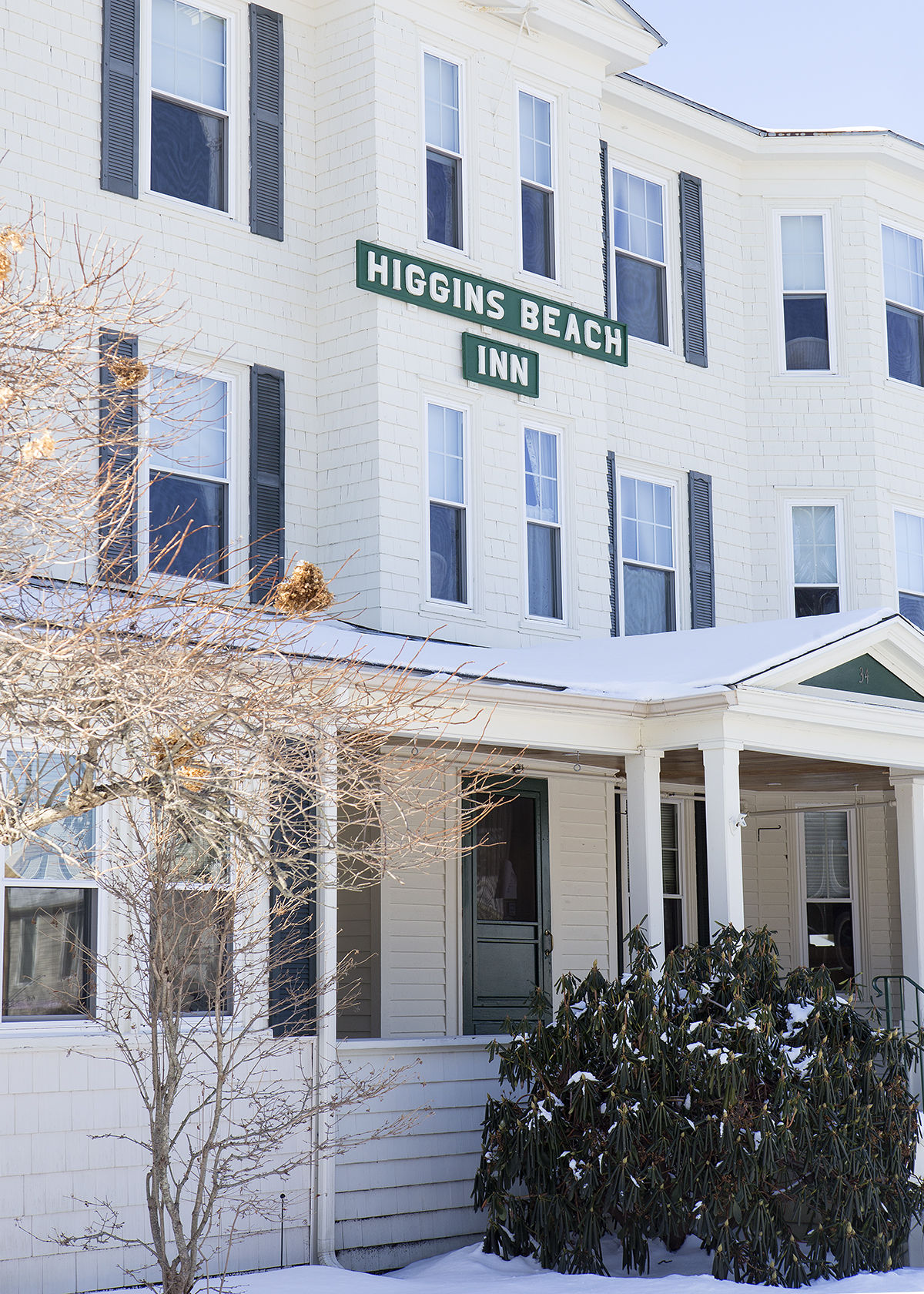 The Higgins Beach Inn is one of 48 properties recently listed by town of Scarborough as a historically important building worth preserving. The town is creating incentives to encourage developers to save historic structures. Photos by Rich Obrey
 The West Scarborough United Methodist Church, on Route 1 by Dunstan Corner, has also been identified as a historic property with architectural importance.
 Hunnewell House.
 Scarborough considers ways to preserve historic buildings in town.
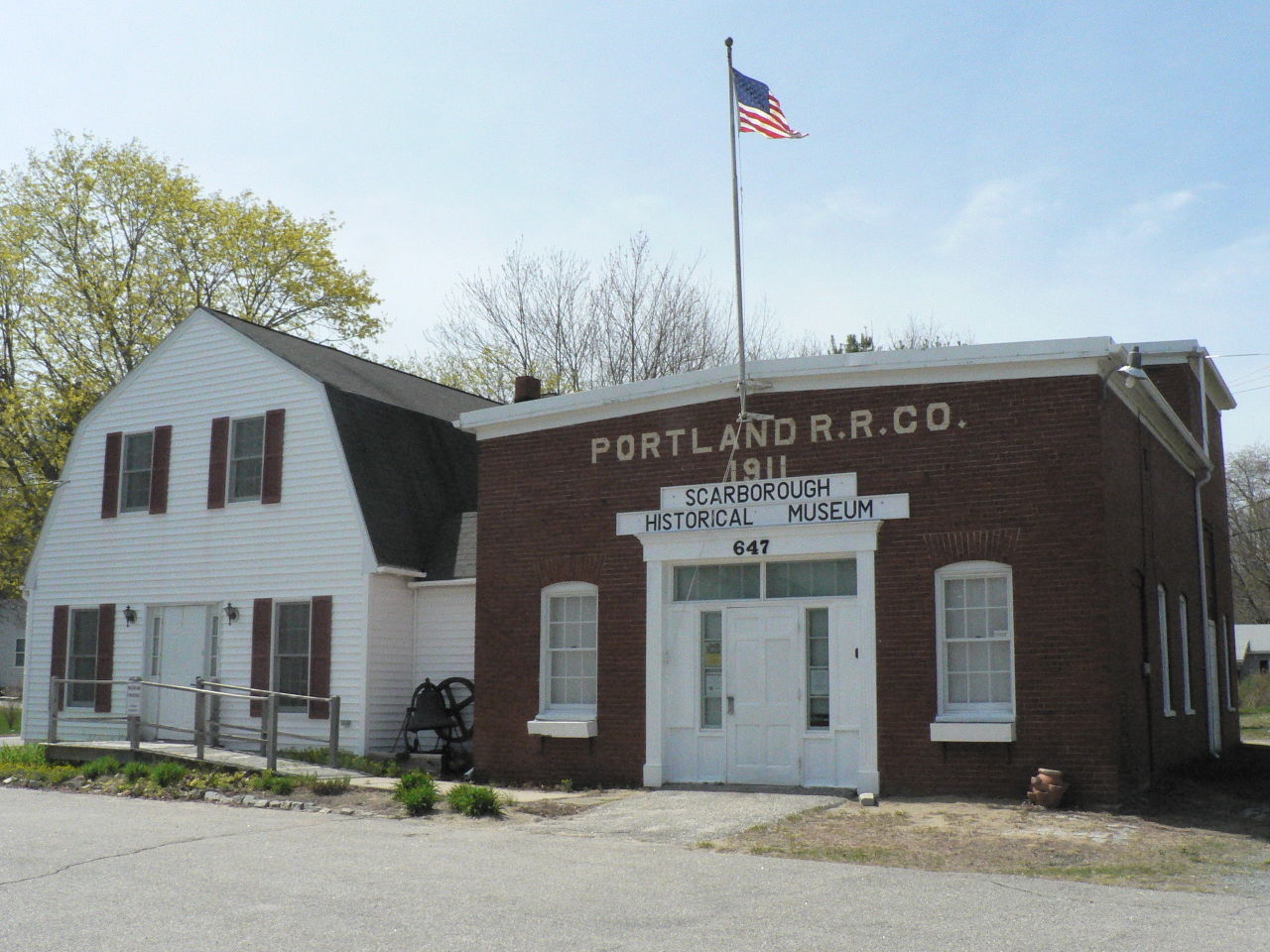 Scarborough historical society.
Comments are no longer available on this story