
NEW GLOUCESTER — State Rep. Ellie Espling, R-New Gloucester, wants a concentrated effort on dealing with opioid use and overdoses during the upcoming legislative session.
“Heroin, fentanyl and opioids are killing Maine people at an alarming rate,” Espling said in a Dec. 22 letter to Senate President Mike Thibodeau, R-Waldo, and Speaker of the House Rep. Sara Gideon, D-Freeport, which requested a special joint select committee to consider any legislation that comes forward in the beginning of the 128th session.
On Wednesday, Thibodeau and Gideon said they are considering Espling’s request. Establishing a joint select committee requires approval in the Legislature. The last such committee to be established to a broad look at the state’s regulatory structure in 2011.
“Rep. Espling’s idea is a good one, the Speaker and I will be talking about this in the next week or two,” Thibodeau said.
Gideon agreed the idea merits more discussion.
“Too many Maine families are struggling and deserve action from this legislature,” she said in a press release. “I look forward to engaging in a discussion with her and other legislators about the best way to address this crisis.”
Espling, who serves as House Assistant Republican Leader, said the marked increase of overdose deaths, which has now eclipsed deaths from car accidents, and the anticipated legisative workload require a dedicated focus.
“I anticipate a great number of bills being submitted to address the drug crisis,” she said. “By appointing this committee, we can ensure that each one of these ideas is properly vetted as we work toward a solution.”
The state and Legislature have moved forward in fighting opioid use and overdoses, passing a $3.6 million emergency spending bill last winter that dedicated $2.4 million to treatment and education efforts and $1.2 million to law enforcement. The bill was unanimously supported and signed into law by Gov. Paul LePage hours after it was sent to him.
Legislators also approved measures to curtail prescriptions of opioids while requiring doctors to monitor databases tracking individual prescriptions. A bill allowingthe general sale of naloxone, better known by its Narcan tradename, was passed despite a veto by LePage.
Narcan is adminstered to stop an overdose by blocking the effects of opioids.
More recently, the Department of Health & Human Services allocated $2.4 million to offer medically assisted treatment to uninsured people addicted to opioids, opening 359 beds beginning Jan. 1.
Overdose deaths in Maine have been on an upward trajectory since 2011, when the state reported 155. Last month, Maine Attorney General Janet Mills said 286 overdose deaths occurred through the end of September, which eclipsed the 272 deaths reported for all of 2015.
Mills said 182 of the 2016 overdose deaths “are due to illicitly manufactured opioid drugs.”
Cumberland County accounted for 63 of the overdose deaths, but Thibodeau said the problem is statewide and nationwide.
“I don’t know anybody that doesn’t know somebody whose life that has been affected by the opioid crisis,” he said.
A question Thibodeau and Gideon must consider is whether a joint select committee is better suited to review legislation as opposed to the existing standing committees.
A second question comes as legislators move forward on marijuana, which was legalized up to 2.5 ounces in the Nov. 8 referendum. Thibodeau said questions about taxation, enforcement and regulations could also be part of a joint select committee’s work.
“The opioid question is going to get a lot of attention, no matter what,” he said.
Espling said the attention deserves to stand alone.
“I would say without hesitation the drug epidemic is the most pressing…and demands our immediate attention. People are dying and we need to act now,” she said.
David Harry can be reached at 781-3661 ext. 110 or [email protected]. Follow him on Twitter: @DavidHarry8.
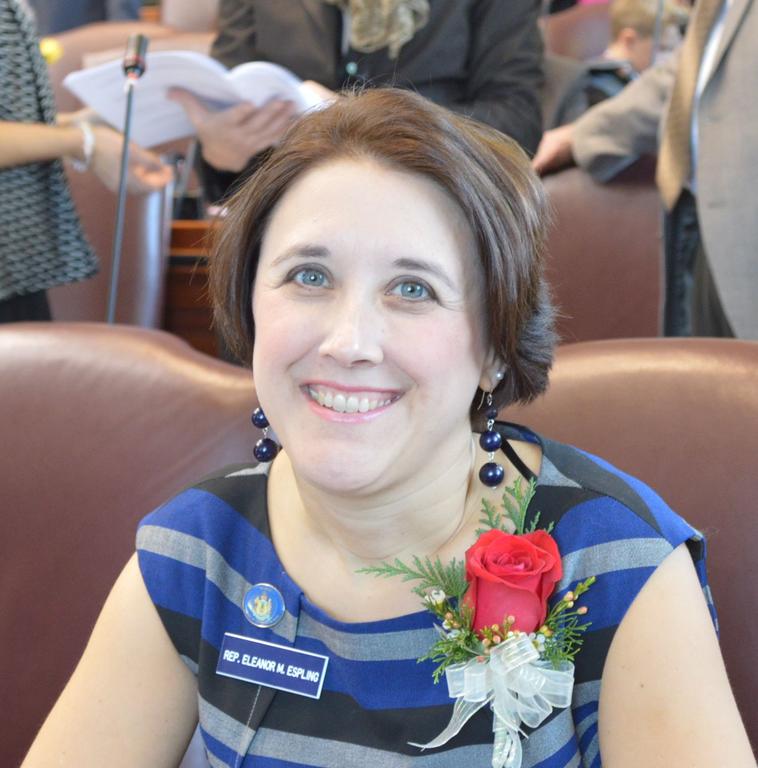
Espling
NEW GLOUCESTER — State Rep. Ellie Espling, R-New Gloucester, wants legislators to make a concentrated effort during the upcoming legislative session in the battle against opioid use and overdoses
“Heroin, fentanyl and opioids are killing Maine people at an alarming rate,” Espling said in a Dec. 22 letter to Senate President Mike Thibodeau, R-Waldo, and Speaker of the House Rep. Sara Gideon, D-Freeport. She requested a special joint select committee to consider any legislation that comes forward in the beginning of the 128th session.
Thibodeau and Gideon said Wednesday they are considering Espling’s request. Establishing a joint select committee requires approval in the Legislature. The last such committee to be established took a broad look at the state’s regulatory structure in 2011.
“Rep. Espling’s idea is a good one; the speaker and I will be talking about this in the next week or two,” Thibodeau said.
Gideon agreed the idea merits more discussion.
“Too many Maine families are struggling and deserve action from this Legislature,” she said in a press release. “I look forward to engaging in a discussion with her and other legislators about the best way to address this crisis.”
Espling, who serves as assistant Republican leader in the House, said the marked increase of overdose deaths, which has now eclipsed deaths from car accidents, and the anticipated legisative workload require a dedicated focus.
“I anticipate a great number of bills being submitted to address the drug crisis,” she said. “By appointing this committee, we can ensure that each one of these ideas is properly vetted as we work toward a solution.”
The state and Legislature have moved forward in fighting opioid use and overdoses, passing a $3.6 million emergency spending bill last winter that dedicated $2.4 million to treatment and education efforts and $1.2 million to law enforcement. The bill was unanimously supported and signed into law by Gov. Paul LePage hours after it was sent to him.
Legislators also approved measures to curtail prescriptions of opioids while requiring doctors to monitor databases tracking individual prescriptions. A bill allowing the general sale of naloxone, better known by its Narcan tradename, was passed despite a veto by LePage.
Narcan is adminstered to stop an overdose by blocking the effects of opioids.
More recently, the Department of Health & Human Services allocated $2.4 million to offer medically assisted treatment to uninsured people addicted to opioids, opening 359 beds beginning Jan. 1.
Overdose deaths in Maine have been on an upward trajectory since 2011, when the state reported 155. Last month, Maine Attorney General Janet Mills said 286 overdose deaths occurred through the end of September, which eclipsed the 272 deaths reported for all of 2015.
Mills said 182 of the 2016 overdose deaths “are due to illicitly manufactured opioid drugs.”
Cumberland County accounted for 63 of the overdose deaths, but Thibodeau said the problem is statewide and nationwide.
“I don’t know anybody that doesn’t know somebody whose life has been affected by the opioid crisis,” he said.
A question Thibodeau and Gideon must consider is whether a joint select committee is better suited to review legislation, as opposed to the existing standing committees.
A second question comes as legislators move forward on marijuana, which was legalized up to 2.5 ounces in the Nov. 8 referendum. Thibodeau said questions about taxation, enforcement and regulations could also be part of a joint select committee’s work.
“The opioid question is going to get a lot of attention, no matter what,” he said.
Espling said the attention deserves to stand alone.
“I would say without hesitation the drug epidemic is the most pressing…and demands our immediate attention. People are dying and we need to act now,” she said.
Comments are no longer available on this story