

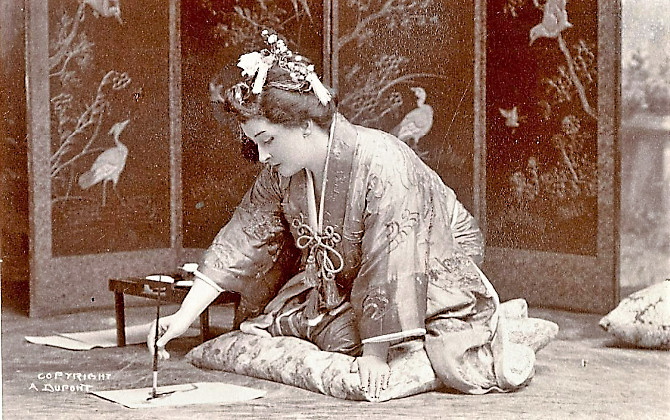
She was known as “our great Maine Prima Donna, the Queen of Song,” and she was regarded worldwide as “America’s first Great Soprano.” And this great superstar “of the golden age” was a woman who grew up in Bath.
In 1870, 5-year-old Emma Eames moved to Bath from her birthplace at Shanghai, China, where her family had lived for 15 years. Emma’s father, Ithamer, was “an International Court” lawyer who was born and raised in Lisbon, and Emma’s mother — Emma Hayden — was born and raised at Bath.
The family “returned to the house of [Emma’s] Mother’s parents,” former Bath Mayor John Hayden and his wife Martha, “where [they] lived for four years.” Emma’s father then moved his family to Portland, but two years later, “owing to a turn in our financial affairs, [Emma] was sent back to my [maternal] grandparents in Bath.”
“My life with my grandfather and grandmother was far from a happy one,” Emma wrote, describing her grandfather as being “far from fun,” serious and stern, and her grandmother as being reserved and quiet. Yet, in later years she recalled those “early years” of her life as “very, very, happy ones.”
Emma explained that her upbringing “was sane, taught me the difference between true and false pride, and cultivated me with a sense of honor and self respect.” Yet, as a student, “I turned to every kind of mischief and perpetration of endless, harmless, pranks at school.”
Emma’s future musical prowess began at Bath where she “received instruction in piano and sang in the Swedenborgian Church” on Middle Street, where her promising voice was first noted. Soon, Emma was visiting Portland each week to see her mother and to begin vocal “instruction, to see how my voice would develop.”
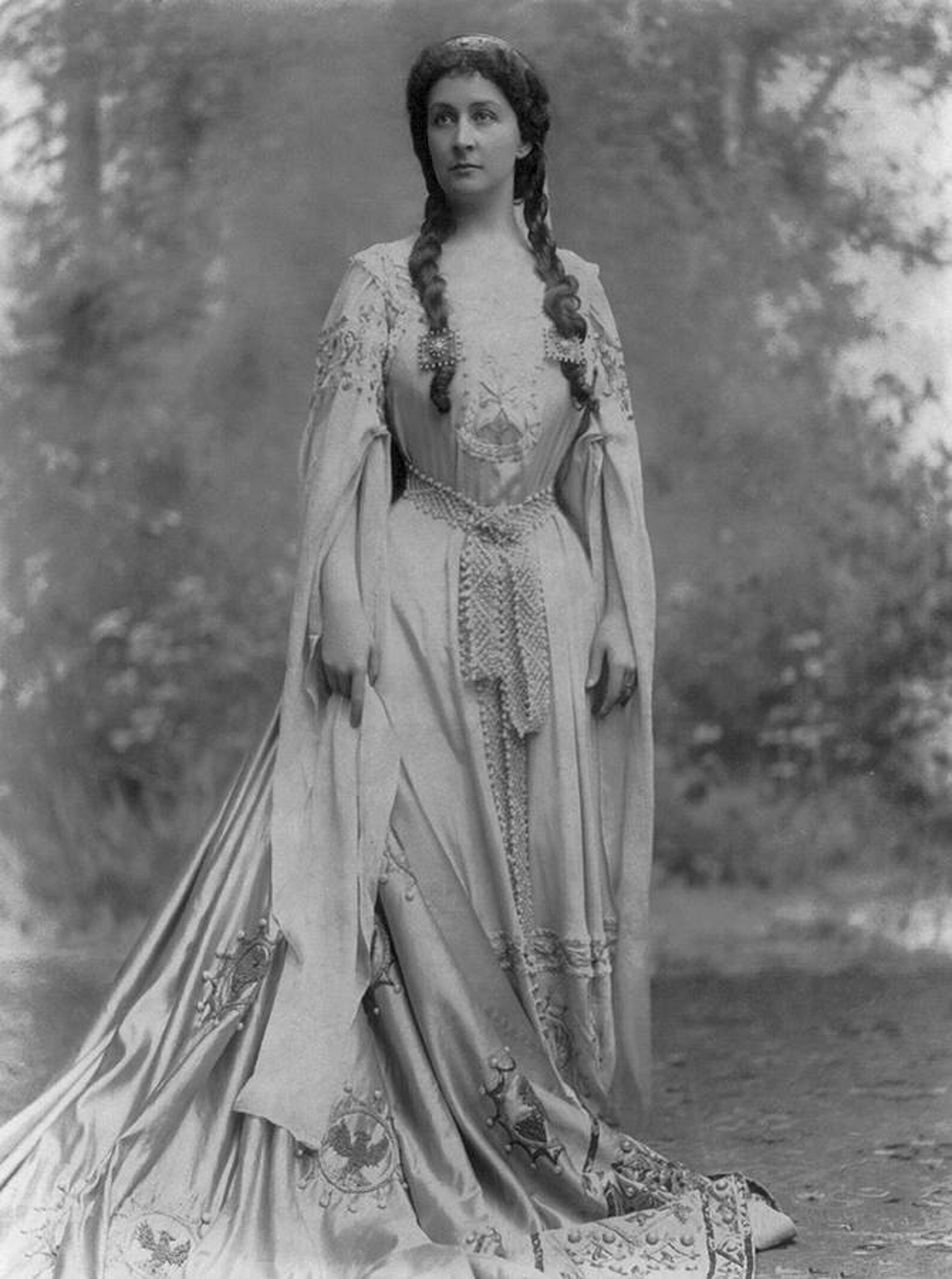
In Bath, Emma “made her first appearance as a singer, in the parlor of the Sagadahoc House” hotel, while her education continued. “I was studying and passing examinations at the high school,” yet Emma’s mother had decided that “it would not be practical for me to pass my final examinations” there.
By the fall of 1882, “I was sent to Boston to study sight readings and lessons in harmony.” “I sang with the Boston Symphony Orchestra in Boston … and in a number of lesser New England towns.”
Emma and her mother soon “sailed to London … then to Paris,” where Emma would study and hone her vocal skills. It wasn’t long before Emma began appearing on stage professionally and rapidly embarked on a long and storied career as an operatic singer, one which would eventually lead her to worldwide fame and fortune.
Emma appeared in “Scotland, Spain, Italy, Germany, and France,” and she twice performed for England’s Queen Victoria at Windsor Castle,” and on the Isle of Wight in 1897 “for the Queen’s Jubilee.”
Emma also began “a friendship with the Prince of Wales, the future King of England,” who Emma credits with her start in Great Britain; “I should not have had a career in London, had it not been for him.”
In 1902, Emma returned to the United States where she “sang in America for seven years … as the star soprano for the Metropolitan Opera in New York.”
As she approached her 44th birthday in 1909, Emma decided to “retire from the stage” while still at the top of her profession. She was widely considered “the toast of two continents, honored by every nation of the world.”
On February 14, 1915, “Bath was all aflutter” when Emma returned home to a heroine’s welcome. She soon after purchased “a spacious three story structure, surrounded with gardens and overlooking the Kennebec River.”
Emma’s work continued in Maine, with local appearances, performing for friends and singing for charities with her second husband — operatic baritone Emilio de Gorgoza.
Emma’s North Street house remained her home until December 1923 when “severe health concerns” saw her return to Paris. Then in 1936, after “12 years” in France — at the age of 71 — Emma relocated back to the United States to live at Sutton Place in New York City.
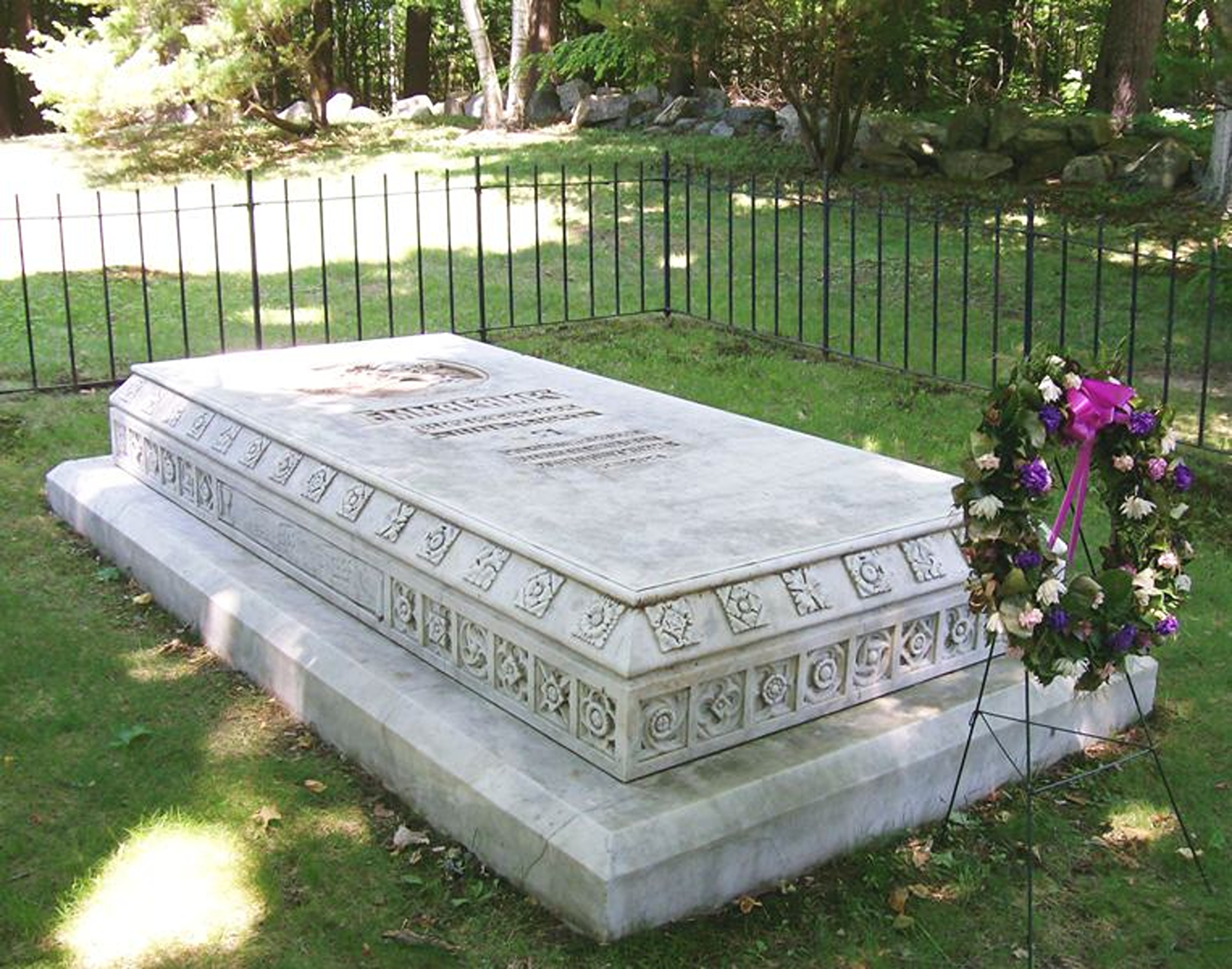
On June 13, 1952, Emma Eames died in New York at the age of 84. After her funeral service in Manhattan, Emma was brought home and buried “in the presence of about a dozen people” during “a committal service” at Bath’s Oak Grove Cemetery.
From her Bath upbringing to performing for Queen Victoria, Emma Eames travelled extensively and performed on many of the great stages of Europe, earning her celebrity as a true superstar of opera.
Today, Emma Eames remains one of the most famous and legendary entertainers in operatic history and is still one of the most celebrated and fondly remembered of our Stories from Maine.
Historian Lori-Suzanne Dell has authored five books on Maine history and administers the popular “Stories From Maine” page on Facebook, YouTube and Instagram.

The Times Record Sustaining Sponsor
We believe a community must be informed to thrive. bowdoin.edu
We invite you to add your comments. We encourage a thoughtful exchange of ideas and information on this website. By joining the conversation, you are agreeing to our commenting policy and terms of use. More information is found on our FAQs. You can update your screen name on the member's center.
Comments are managed by our staff during regular business hours Monday through Friday as well as limited hours on Saturday and Sunday. Comments held for moderation outside of those hours may take longer to approve.
Join the Conversation
Please sign into your Press Herald account to participate in conversations below. If you do not have an account, you can subscribe here. Questions? Please see our FAQs.