


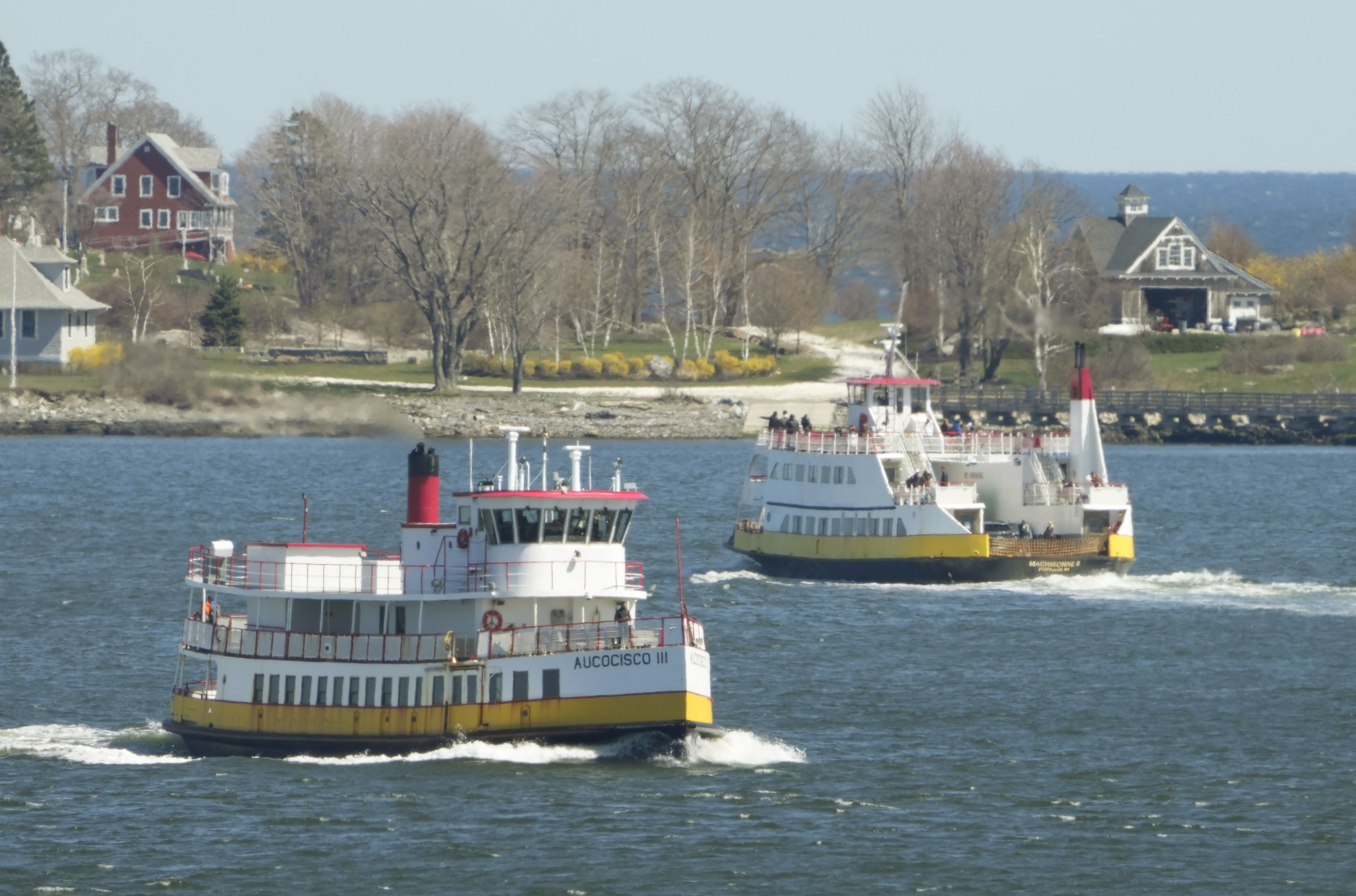
The cost of taking a ferry from Portland to the islands in Casco Bay could rise again this summer.
The Casco Bay Island Transit District is considering what would be its second passenger-ticket price increase in three years as ferry service officials say operating costs continue to rise.
If approved, round-trip adult tickets in peak season would jump from $14 to $17 in June for service to Peaks Island, Little Diamond Island, Great Diamond Island, Long Island, Chebeague Island and Cliff Island. The cost for 30-day passes would increase from $48 to $51.
Casco Bay Lines’ peak season runs from April 18 to Oct. 12, when both the population and seasonal traffic on most islands increases substantially.
Off-peak daily round-trip rates would increase from $7.20 to $8, while 30-day passes would go from $32 to $33.50.
The proposed changes come after the district’s board of directors last year approved a rate hike for ferrying cars, which followed a considerable passenger fare increase in 2024 — the first in 15 years.
According to a memo from Ben Dinsmore, the transit district’s general manager, the proposed changes are designed to reduce the district’s operating deficit while “protecting affordability for islanders, the people who depend on (Casco Bay Lines) the most.”
While the single-fare rate would increase 21%, the proposed increase for annual passes would increase less than 1%, from $432 to $435.
“If you ride the ferry frequently, or even periodically, you will continue to have access to the most affordable fares in the system,” he said. “That is by design.”
Public comments submitted to the board from longtime island residents, however, said the increase to single round-trip tickets would make things harder for family and friends who visit, or for islanders who travel back and forth less frequently.
“While single tickets are likely used predominantly by ‘visitors,’ some islanders who travel infrequently will face the largest proportional annual cost increase of any rider type,” said Mark Rogus, who lives on Peaks.
Rogus also urged the board to pursue cost-saving measures before instituting another fare increase.
Others said they’ve already seen fewer visitors due to the increased cost of the 17-minute trip to Peaks Island.
The board is floating a new benefit for annual pass holders, allowing them to purchase up to 12 peak-season passenger tickets per year at off-peak rates.
Casco Bay Lines, which serves as many as 1 million riders annually, is largely funded by the fares it charges for regular ferry service. The remaining revenue comes from specialty offerings like cruises and tours, as well as some state and federal funds.
Dinsmore’s memo said the cost of fuel, labor, vessel maintenance, insurance and regulatory compliance have all risen over the last two years.
The district estimates the changes would increase net revenue by $559,000, which would represent a 20% reduction in the district’s multimillion-dollar operating deficit.
Dinsmore also said that when the board approved the 2024 fares, it made a commitment to review fares more regularly to make incremental adjustments rather than the 82% increase seen by customers then.
The board’s finance committee will hold a public workshop on the proposal April 8, and could make a recommendation for the full board to take up at its April 23 meeting. Rates also would be subject to acceptance by the Maine Public Utilities Commission.
When Casco Bay Lines last increased rates in 2024, the PUC affirmed the decision, pointing out that state law directs the transit district to preserve the affordability of transportation for year-round island residents.

We invite you to add your comments. We encourage a thoughtful exchange of ideas and information on this website. By joining the conversation, you are agreeing to our commenting policy and terms of use. More information is found on our FAQs. You can update your screen name on the member's center.
Comments are managed by our staff during regular business hours Monday through Friday as well as limited hours on Saturday and Sunday. Comments held for moderation outside of those hours may take longer to approve.
Join the Conversation
Please sign into your Press Herald account to participate in conversations below. If you do not have an account, you can subscribe here. Questions? Please see our FAQs.