


The owner of Portland’s Nickelodeon Cinemas has leased the former Nordica Theatre in Freeport, with plans to show movies there by the summer.
David Scott of Massachusetts-based Patriot Cinemas said Tuesday he signed a lease last week with the owners of the Freeport Village Station shopping mall, where the six-screen theater is located. The Nordica Theatre closed in 2020, along with all local theaters during the pandemic, but never reopened.
Scott said since the theater has been closed for six years, it mostly just needs “some TLC,” though getting the projectors in top operating shape may be a “big ticket” expense. “They don’t like to sit,” Scott said of the projectors.
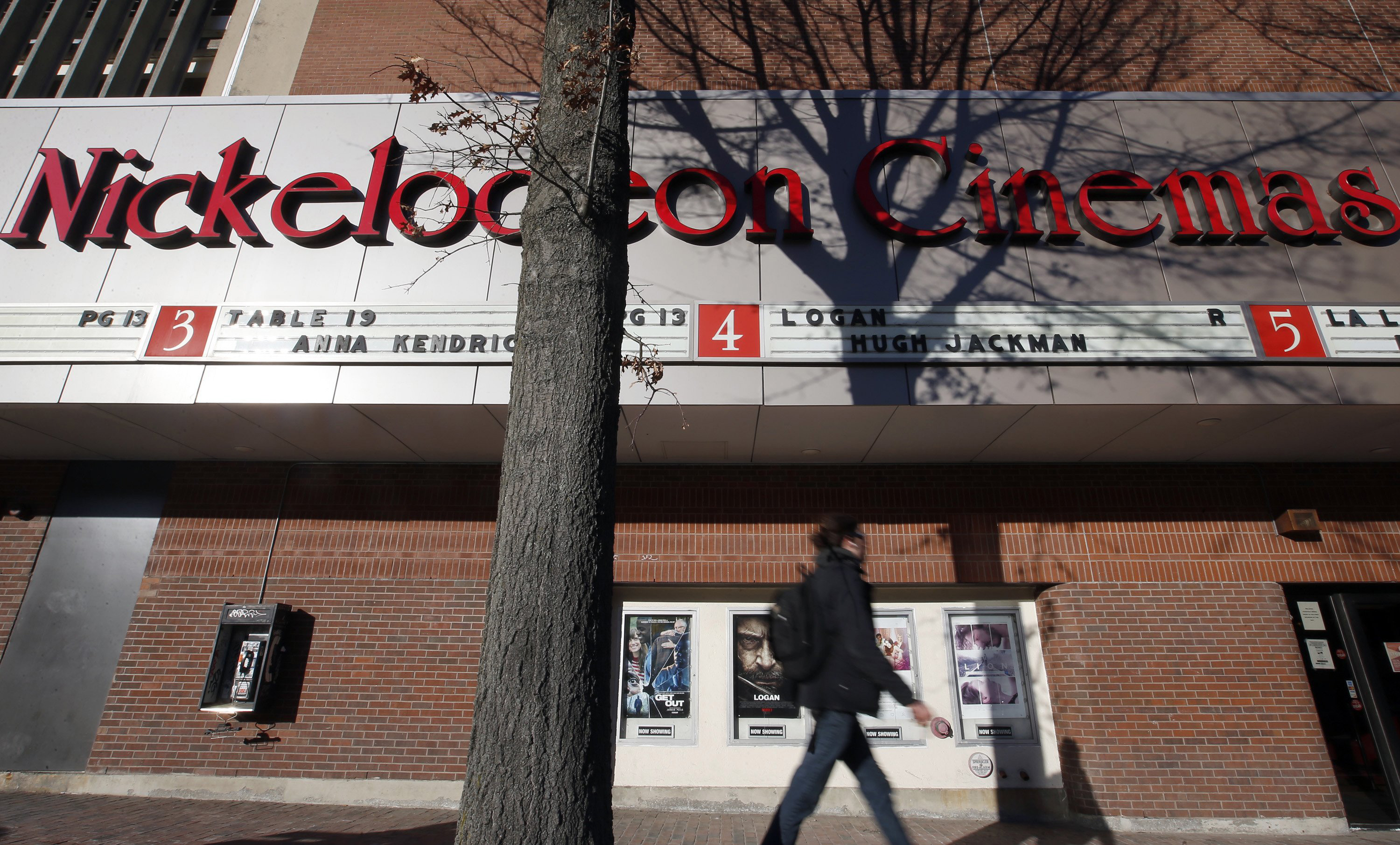
The Nickelodeon, which Scott’s Patriot Cinemas has owned since 1998, will continue to operate in Portland with no changes to its mix of first-run, classic and off-beat films. The Nordica will be renamed Patriot Cinemas at Freeport Village Station and will show first-run films, with a focus on family fare, Scott said. The theater is just a few blocks down the street from shopping and tourist destination L.L.Bean and surrounded by outlet stores.
The Freeport cinema will also offer $6 Super Tuesday tickets prices, something the Nickelodeon has done for years, Scott said.
Patriot Cinemas owns two other movie theaters, both in Hingham, Massachusetts. Scott said he needs to expand his business to survive at a time when fewer people are going to the movies and big crowds turn out only for superhero films or effects-heavy epics. Right now there is no first-run movie theater between Falmouth and Brunswick, so Scott expects the Freeport theater could draw families in Portland’s northern suburbs.
“Margins are smaller than ever, it’s hard to find good help,” said Scott. “I need to expand to survive. Either that or go the other way.”

The Times Record Sustaining Sponsor
We believe a community must be informed to thrive. bowdoin.edu

Comments are not available on this story. Read more about why we allow commenting on some stories and not on others.
We believe it's important to offer commenting on certain stories as a benefit to our readers. At its best, our comments sections can be a productive platform for readers to engage with our journalism, offer thoughts on coverage and issues, and drive conversation in a respectful, solutions-based way. It's a form of open discourse that can be useful to our community, public officials, journalists and others.
We do not enable comments on everything — exceptions include most crime stories, and coverage involving personal tragedy or sensitive issues that invite personal attacks instead of thoughtful discussion.
You can read more here about our commenting policy and terms of use. More information is also found on our FAQs.
Show less