
Spring is a time of renewal when the transition from winter to summer occurs. Warmer temperatures, increased sunlight and blooming plants characterize the season. And melting snow and April showers cause the rivers and streams to rise and swell.
For me and my friends, this is a time to renew our love affair with spring whitewater. We put away skis and snowshoes and retrieve our canoes, kayaks and paddles from winter storage. Checklists are consulted to ensure we have life jackets, helmets, spray skirts, throw bags, wet suits, dry suits, neoprene booties and flotation. We also need certainty that all of the equipment is in good working order.
My romance with spring whitewater began almost 50 years ago when I started paddling coastal rivers like the St. George, Sheepscot and Souadabscook with my wife, Nancy, and our two sons in an 18-foot, Old Town Voyageur tandem canoe. Over the years, we progressed from tandem canoes to solo canoes and finally into kayaks. I’m thankful that I learned to kayak 30 years ago, because I can’t kneel in a canoe anymore due to knee surgeries, so my whitewater days would otherwise be over.
One of the lessons we learned early in our whitewater journey is that paddling with others is essential to ensure safety and enhance skills. For many years, we paddled with the Maine Chapter of the Appalachian Mountain Club. Beginning in the ’90s, we joined the Penobscot Paddle & Chowder Society (PPCS) where we have dozens of whitewater friends and regularly participate in their comprehensive paddling program. This year, the club has scheduled about 70 paddling trips from March through October. While most are whitewater trips, also included are canoe expeditions, sea kayak trips, lake paddles, a swift water rescue clinic and more.
Whitewater is not all fun and excitement. The sport can be dangerous. Whitewater swims in cold spring water are unpleasant and hazardous. Developing the skills to navigate turbulent waters is essential. Learning to roll a canoe or kayak is an important gateway to paddling more difficult rivers. Yes, it’s possible to roll a canoe if it’s correctly outfitted with flotation.
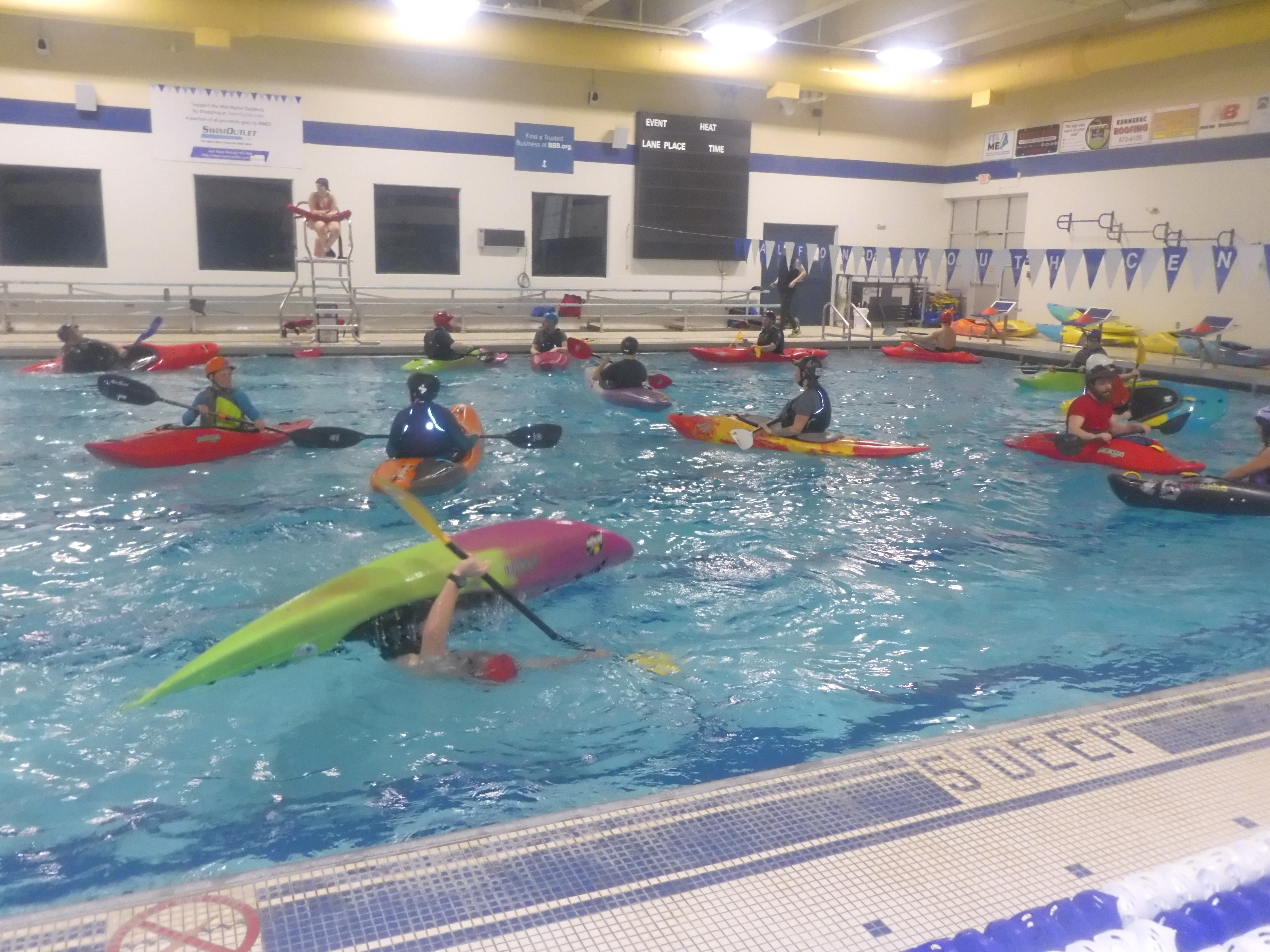
The PPCS tries to reserve pools for rolling practice in late winter and early spring. This year, the club organized rolling sessions at the YWCA in Lewiston during the winter and coordinated with Skowhegan Outdoors for access to rolling practice at several central Maine pools in early spring.
As I’ve aged, the reliability of my roll has diminished. Rolling practice is now essential for me before I start paddling in the spring. I bypassed the first club trip, “The Icebreaker,” on Souadabscook Stream in late-March because I had not had an opportunity to practice rolling. A Skowhegan Outdoors rolling session scheduled for the following day in Waterville was canceled due to a snowstorm. Mother Nature didn’t get the memo; winter is over and paddling season has begun.
Fortunately, I was able to obtain a reservation for a Skowhegan Outdoors rolling session at the Belfast YMCA the following weekend. The timing was perfect because I was scheduled to coordinate a PPCS trip on the St. George River the next day.
Nancy and I began our visit to Belfast with an energetic walk on the Belfast Rail Trail along the Passagassawakeag River. The late Skip and Jo Pendleton, who were friends and PPCS members, were instrumental in founding the scenic rail trail.
About 20 eager canoeists and kayakers gathered for the pool session at the YMCA. Nancy thoughtfully agreed to critique my rolls. My first attempt was sloppy but successful. The second was worse but I blundered upright. “Your hip snap looks weak,” Nancy observed. Her analytical skills were spot on, and several smooth rolls ensued. I still have a roll, but can I execute when it really counts?
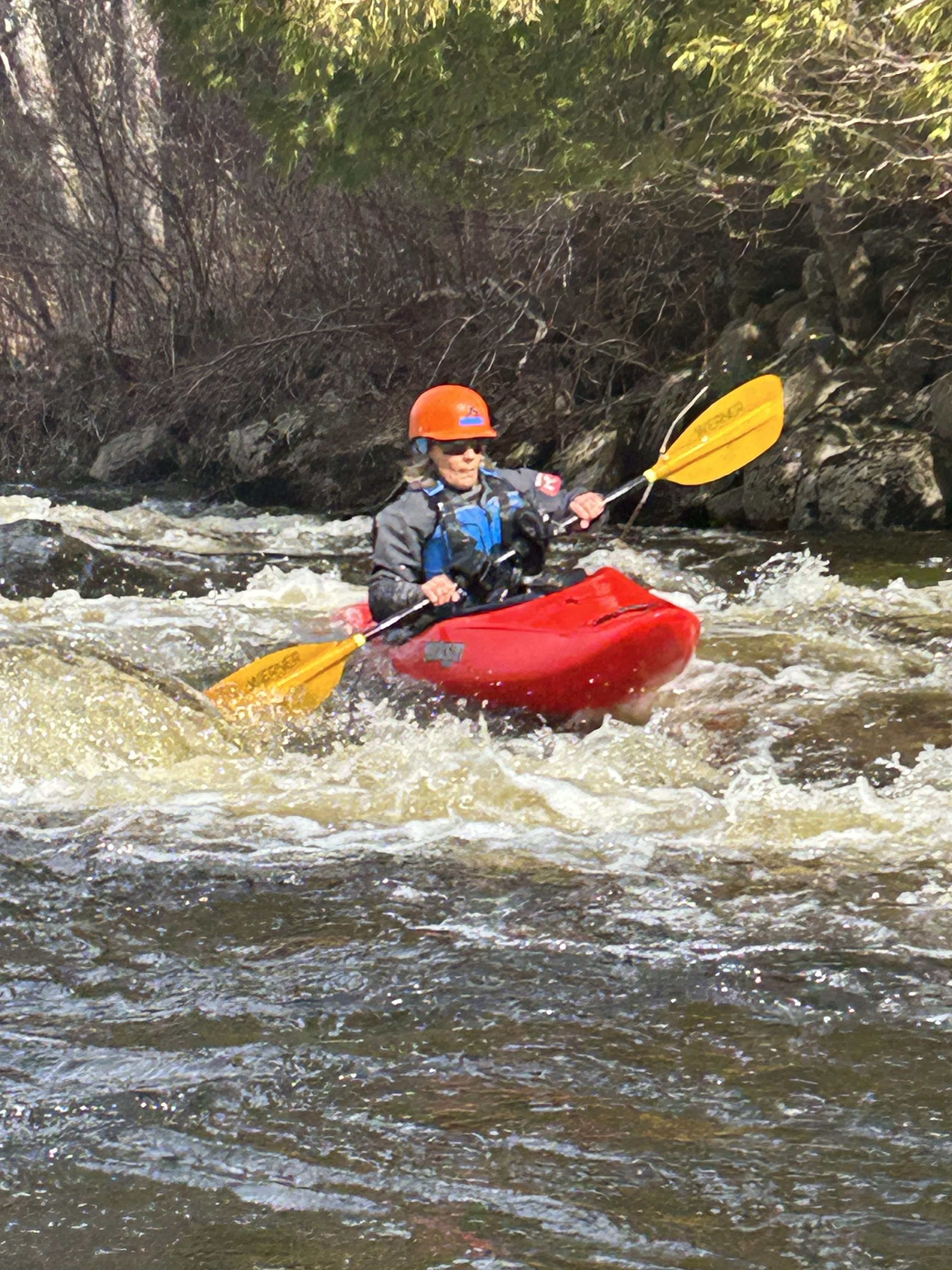
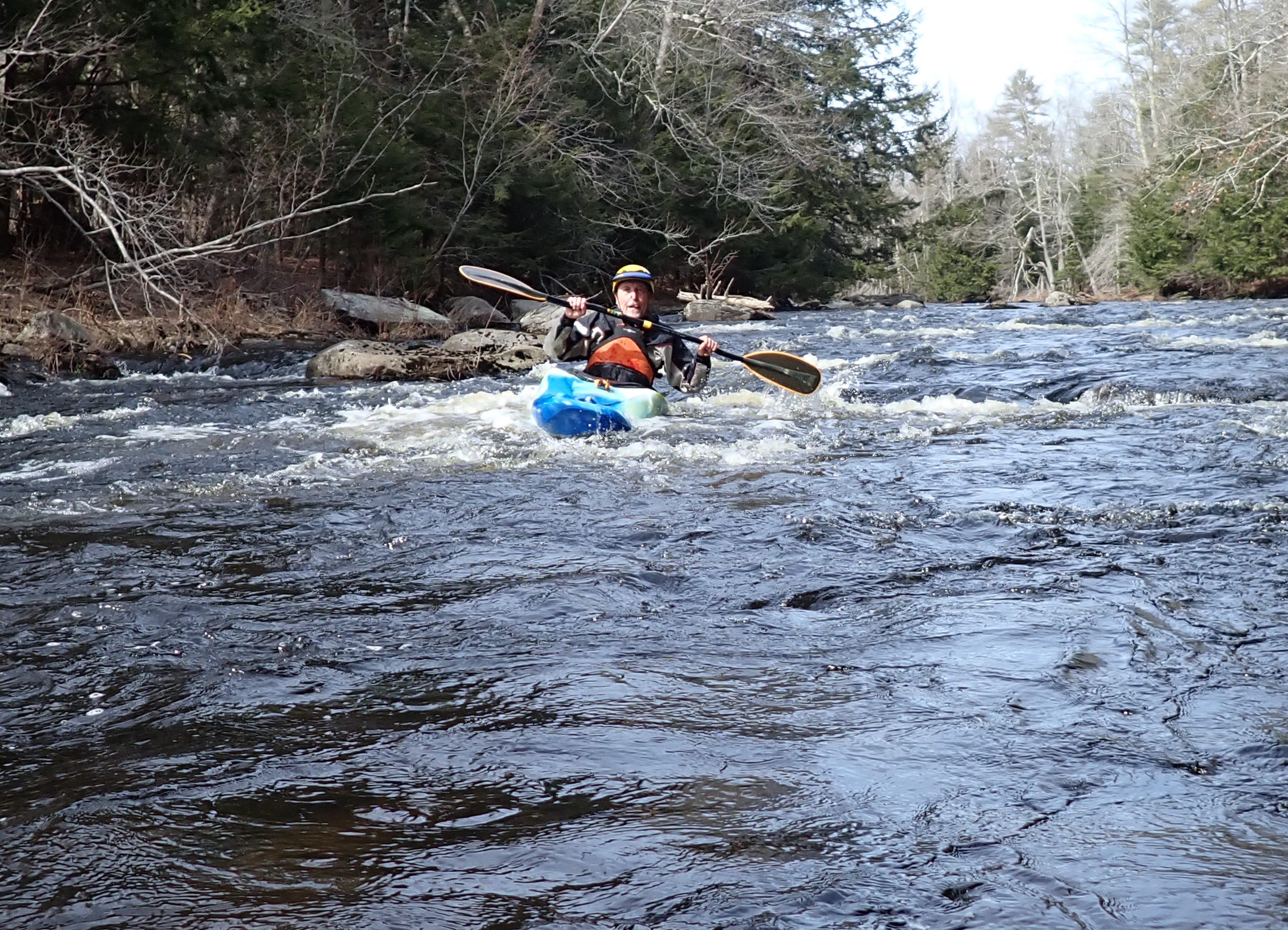
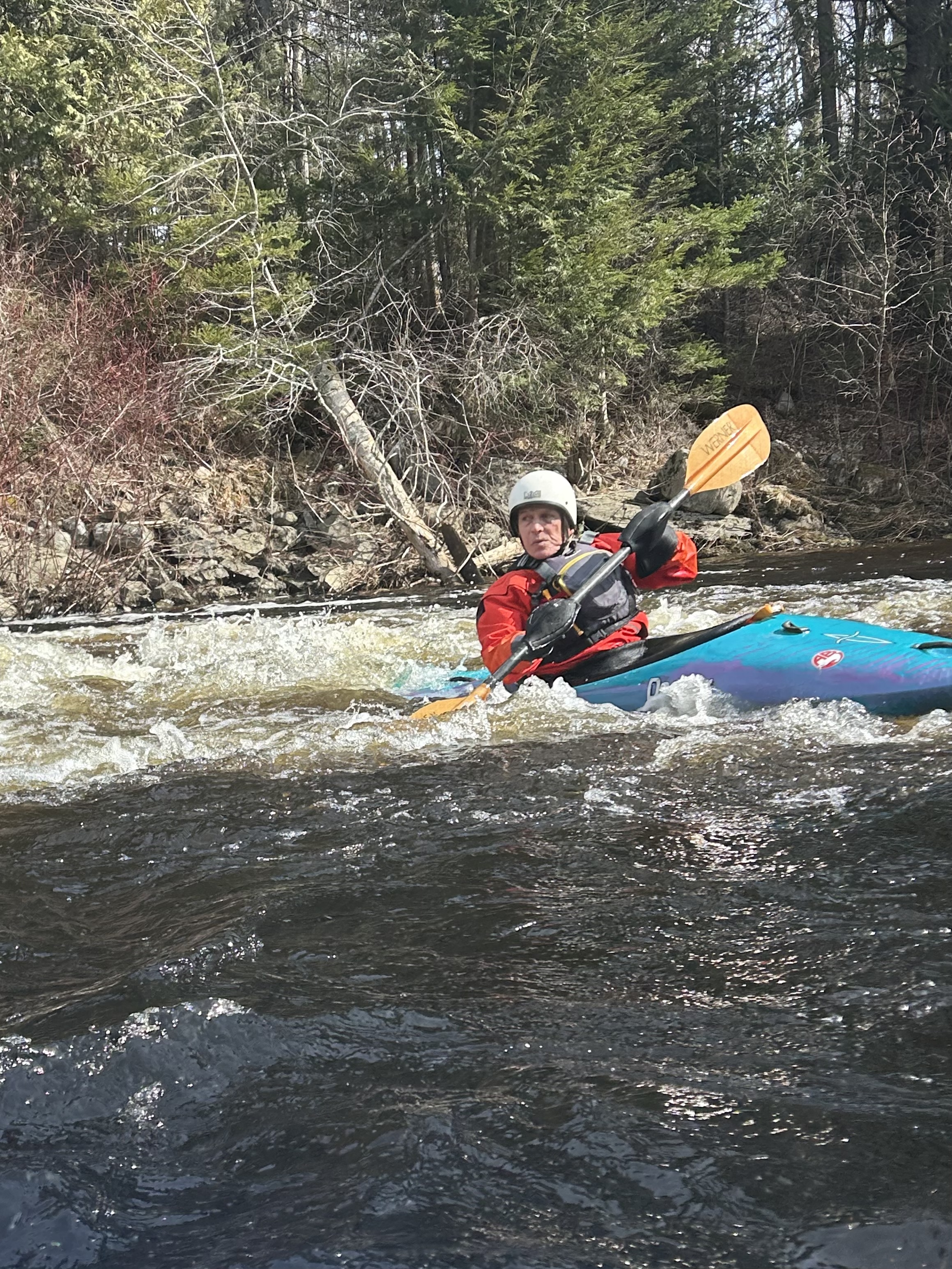
The following day, the weather was ideal for a St. George River spring paddling trip between Searsmont and North Appleton. Three of us kayaked through technical Ghent Bridge Rapid, followed by about a mile of continuous whitewater and ending with a plunge down Magog Chute. No rolls were required. That was fine with me; nothing good happens when you’re upside down in a kayak unless you’re quickly upright. The real test will have to wait for another day.
My book, “Maine Al Fresco: The Fifty Finest Outdoor Adventures in Maine,” narrates nine exciting whitewater trips around the state.
The author of “The Great Mars Hill Bank Robbery” and “Mountains for Mortals – New England,” Ron Chase resides in Topsham. His latest book, “Maine Al Fresco: The Fifty Finest Outdoor Adventures in Maine,” is available at North Country Press and through online retailers. Visit his website at ronchaseoutdoors.com or he can be reached at [email protected].

The Times Record Sustaining Sponsor
We believe a community must be informed to thrive. bowdoin.edu
Comments are not available on this story. Read more about why we allow commenting on some stories and not on others.
We believe it's important to offer commenting on certain stories as a benefit to our readers. At its best, our comments sections can be a productive platform for readers to engage with our journalism, offer thoughts on coverage and issues, and drive conversation in a respectful, solutions-based way. It's a form of open discourse that can be useful to our community, public officials, journalists and others.
We do not enable comments on everything — exceptions include most crime stories, and coverage involving personal tragedy or sensitive issues that invite personal attacks instead of thoughtful discussion.
You can read more here about our commenting policy and terms of use. More information is also found on our FAQs.
Show less