
In conjunction with the exhibition “Re|Sounding” now on view, join Maine Maritime Museum in Bath this spring and summer for an artist workshop and lecture series. Each month from May through August, the museum will host a different contributing artist for a unique learning experience, each examining art as a tool for exploring histories and uncovering how historical and cultural contexts can influence art. The four media explored throughout this workshop series are painting, oral storytelling, assemblage and poetry.
Each of the four artists leading these interdisciplinary workshops will bring a distinctive approach to exploring both local and personal histories through art. Participants will learn more about the artist’s individual craft and get a better glimpse inside their process before practicing it themselves. The cost to attend is on a sliding scale.
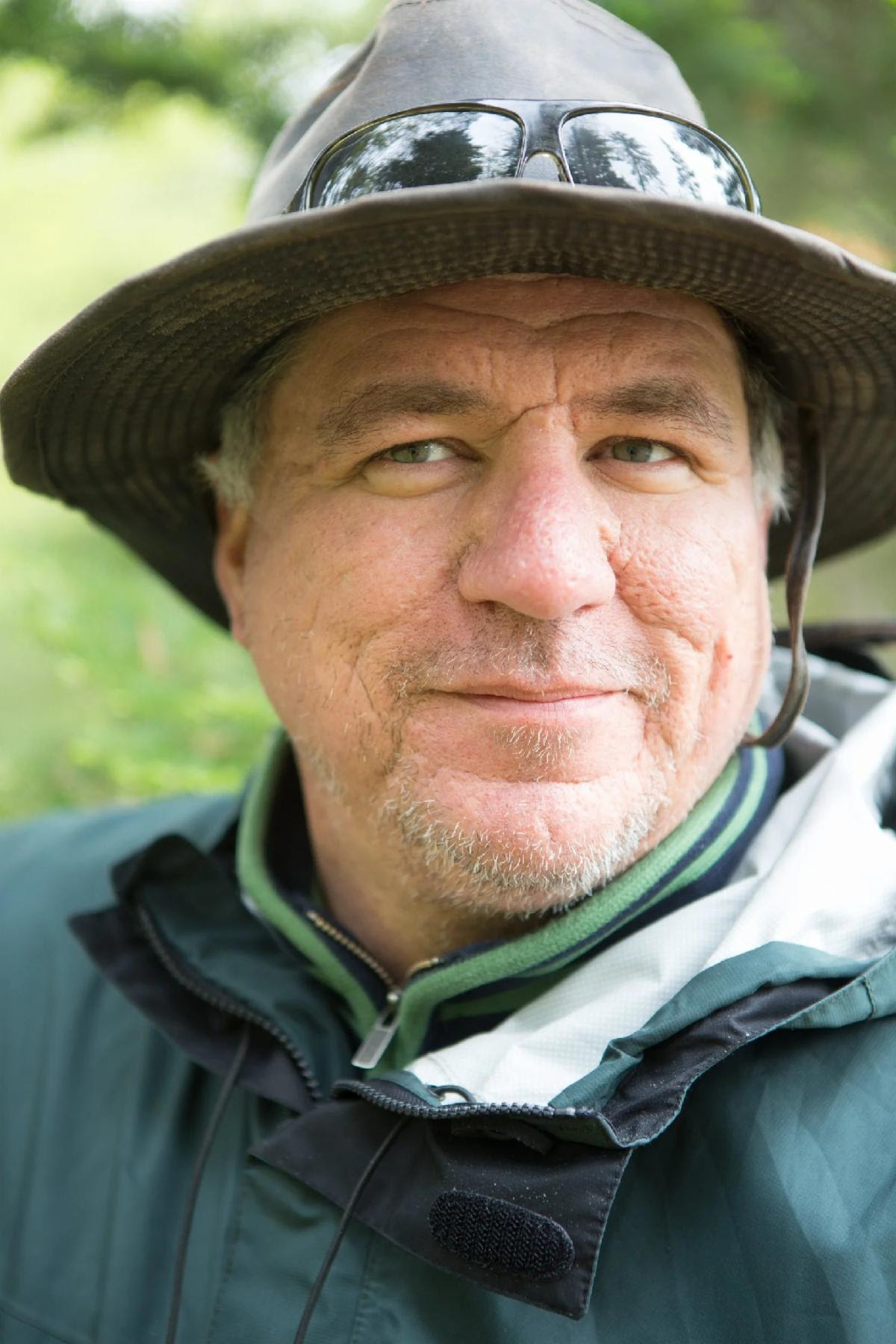
The first event in this series is on Sunday, May 10, featuring James Eric Francis Sr., the Penobscot Nation’s tribal historian and a visual artist. Francis will give a lecture from 2-3 p.m.; from 3-4 p.m., participants are welcome to explore the “Re|Sounding” gallery; a painting workshop will be from 4-7 p.m., all materials included.
In addition to his work studying the relationship between the Wabanaki people and the landscape, Francis has also worked to implement Maine’s Wabanaki Studies law and developed accompanying curricula. He has curated or co-curated exhibitions for the Bangor Museum and Center for History, the Abbe Museum in Bar Harbor, the Hudson Museum, and Harvard University. Multiple art pieces by Francis are currently on view in “Re|Sounding.”

The Times Record Sustaining Sponsor
We believe a community must be informed to thrive. bowdoin.edu
Comments are not available on this story. Read more about why we allow commenting on some stories and not on others.
We believe it's important to offer commenting on certain stories as a benefit to our readers. At its best, our comments sections can be a productive platform for readers to engage with our journalism, offer thoughts on coverage and issues, and drive conversation in a respectful, solutions-based way. It's a form of open discourse that can be useful to our community, public officials, journalists and others.
We do not enable comments on everything — exceptions include most crime stories, and coverage involving personal tragedy or sensitive issues that invite personal attacks instead of thoughtful discussion.
You can read more here about our commenting policy and terms of use. More information is also found on our FAQs.
Show less