
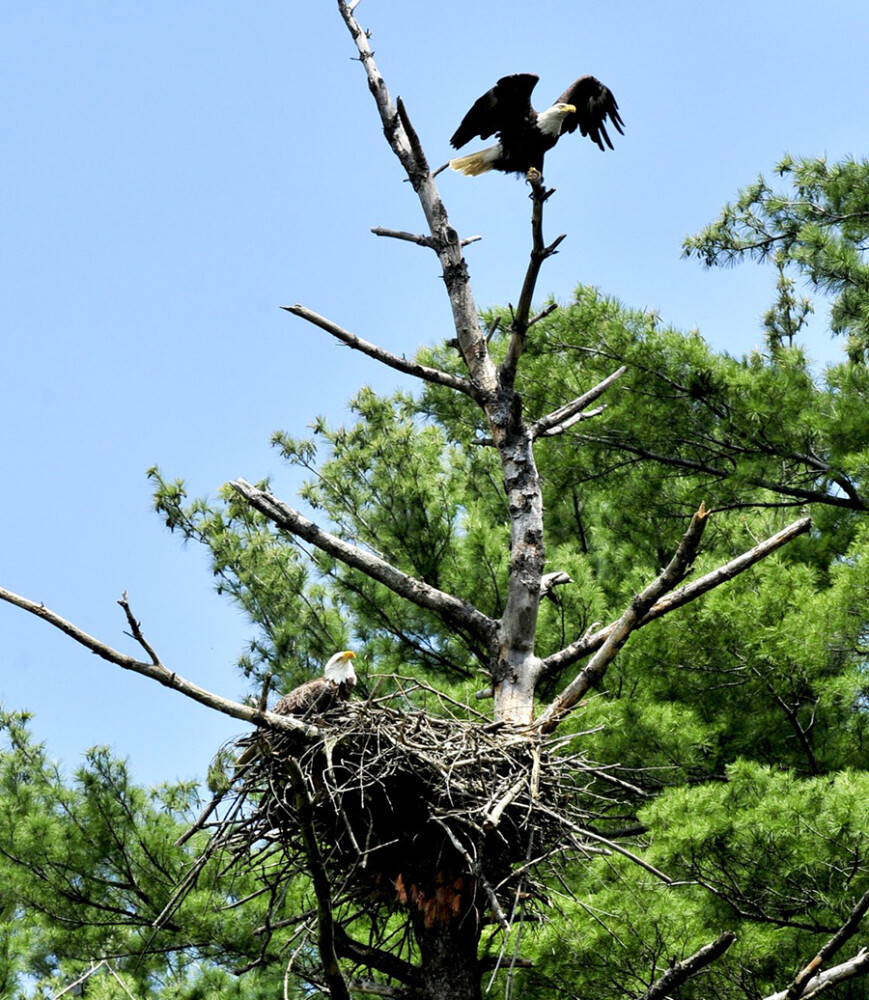
Freeport Community Library invites the public to learn about the art and science of birding in a seven-part summer series.
The “Joys of Birding” series will be led by Maine Master Naturalist Christie Constantine, and sessions meet from 10:15 a.m. to 12:15 p.m. in the FCL Meeting Room on the following Wednesdays: May 27; June 3, 10 and 24; July 1 and 8; and Aug. 12. Optional pre-session birding walks will be at 9:30 a.m. June 3 and 10, starting at the library.
Class 1: Birding Basics
The May 27 session will cover everything you need to know to start watching birds:
• Where/when/how to find birds.
• Choosing the right binoculars and how to use them.
• How to select the right field guide(s) and how to use them.
• How to use digital birding resources and apps.
• Birding safety, etiquette and ethics.
• How to connect with other birders — guided walks, clubs, festivals.
If you’re curious about nature and want to tune into the rhythms of the world around you, this series is for you. Birdwatching is an enjoyable, affordable, relaxing and endlessly rewarding way to connect more deeply with the outdoors. Whether you’re a total beginner or looking to sharpen your skills, this fun and interactive series will introduce you to the tools, techniques and wonders of birding — from spotting your first chickadee to recognizing warblers by their songs.
Each two-hour session is free and open to the public, features a stand-alone topic, and can be attended independently — no preregistration required. The series is designed for adults and teens, is classroom-based, and welcomes participants of all experience levels. Individual class titles and descriptions are available on the library’s online calendar at freeportlibrary.com.

The Times Record Sustaining Sponsor
We believe a community must be informed to thrive. bowdoin.edu
Comments are not available on this story. Read more about why we allow commenting on some stories and not on others.
We believe it's important to offer commenting on certain stories as a benefit to our readers. At its best, our comments sections can be a productive platform for readers to engage with our journalism, offer thoughts on coverage and issues, and drive conversation in a respectful, solutions-based way. It's a form of open discourse that can be useful to our community, public officials, journalists and others.
We do not enable comments on everything — exceptions include most crime stories, and coverage involving personal tragedy or sensitive issues that invite personal attacks instead of thoughtful discussion.
You can read more here about our commenting policy and terms of use. More information is also found on our FAQs.
Show less