

Looking to get out of your house this summer and enjoy everything Maine has to offer? This story is part of our in-state travel guide designed to help you find the road less traveled, eat your way across the state and make the most of summertime in Maine. Read more here.
There is a lot of advice online for where to hike, what to bring and how to maximize your time outdoors on the trails. Here is Carey Kish’s list of some sites to familiarize yourself with before hitting the trails, to ensure you hike safely, have a good time and respect nature.
GUIDE YOURSELF
A few websites for Maine trails that you can consult before setting out, with information on the length of the trail, the difficulty level, whether it’s OK for dogs and children to join, and whether you’d share the trail with snowmobiles or mountain bikes:
mainetrailfinder.com
mainebyfoot.com
AT THE TOP
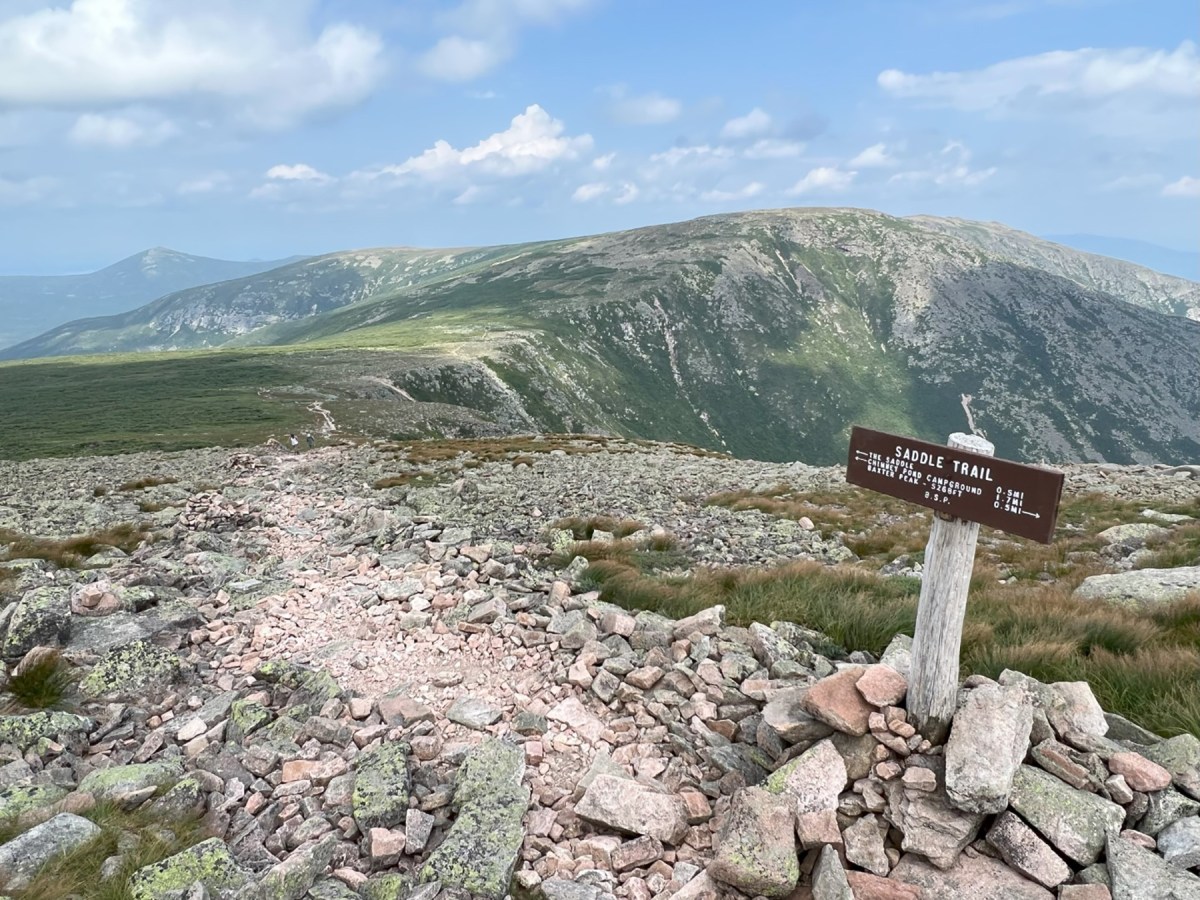
If you follow our couch-to-Katahdin guide to hiking, here are two sites to consult with information on Baxter State Park:
Baxter State Park, baxterstatepark.org
Friends of Baxter State Park, friendsofbaxter.org
THE ESSENTIAL PACKING LIST
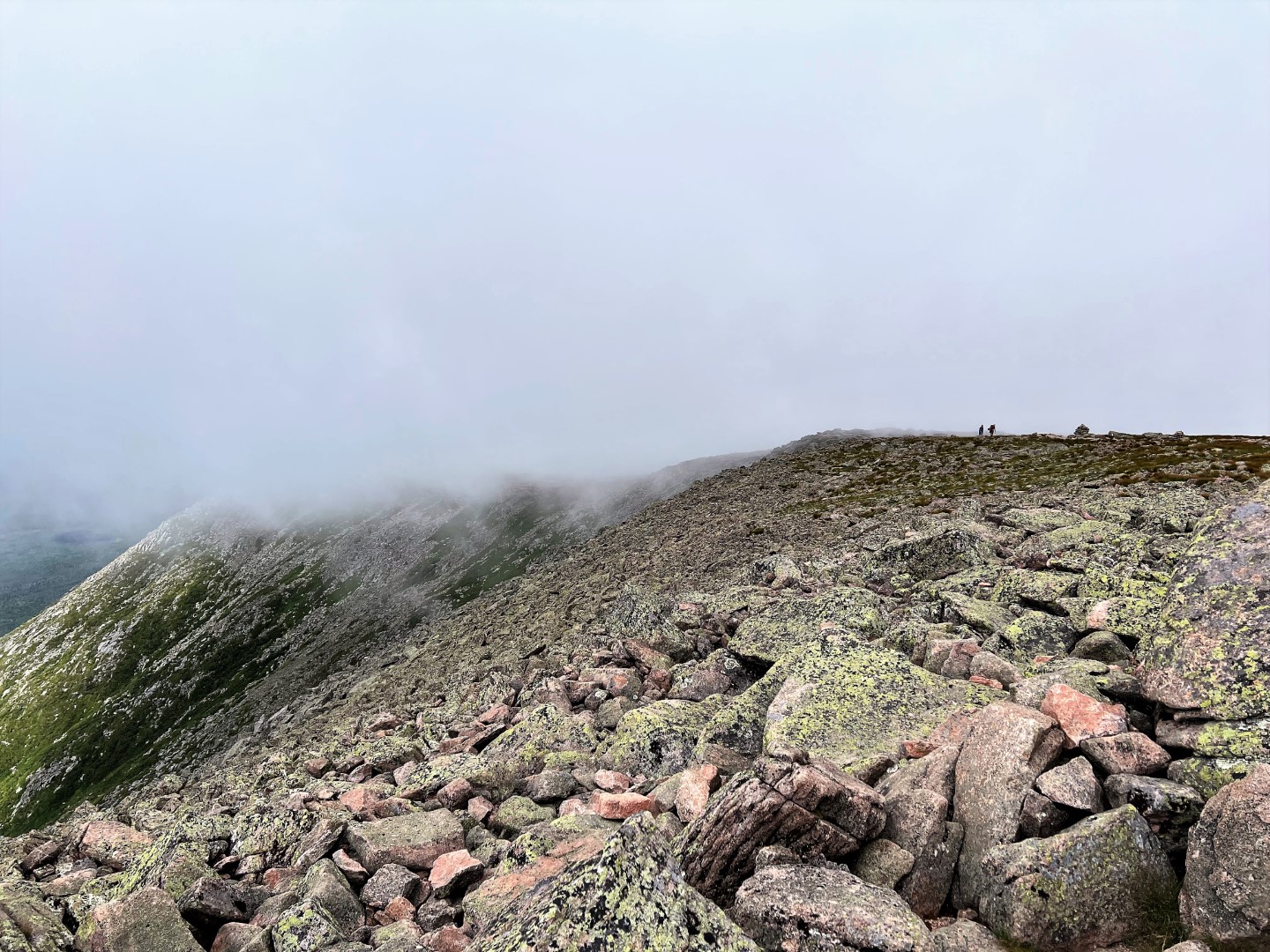
According to the National Park Service, here are 10 items they consider the essentials for safe hiking in case of minor injuries or changes in weather:
- Map, compass and GPS system: It’s useful to know how to orient yourself in case you get lost.
- Sunglasses, sunscreen and a hat: Protect your skin and eyes against the harsh UV rays of the sun to prevent sunburn and skin cancer. Consider sun-protection clothing like long pants and long sleeves to minimize your sun exposure.
- Jacket, hat, gloves, rain jacket or thermal underwear: Be prepared for sudden changes in the weather and pack an extra layer of clothing against the most extreme likely weather conditions.
- Flashlight, lantern or headlamp: If you end up outdoors after dark, be prepared. Don’t forget extra batteries.
- First aid kit: Many stores sell pre-made kits with the basic supplies, and add more items personal to you, if needed. Check the expiration dates on items regularly and replace them.
- Matches, lighter and fire starters: A fire can be an emergency signal as well as a source of heat for cooking and staying warm. Pack waterproof matches and make sure you’re familiar with fire regulations where you’ll be hiking.
- Duct tape, knife, multi-tool, screwdriver and scissors: Like a first aid kit, carry a basic repair kit to repair any equipment you’re carrying.
- Food: Be prepared for any changes in your hike that might mean you’re outdoors longer than expected. Pack no-cook items with nutritional value to keep up your energy, like trail mix, nuts and granola bars.
- Water and water treatment supplies: It’s important to stay hydrated during your hike. Physical activity increases your risk of dehydration, so make sure you’re drinking water often and before you feel thirsty. Find any bodies of water on your hike that you could collect water from and treat to make it pure enough to drink.
- Tent, space blanket, tarp or bivy: If you’re caught outdoors overnight, creating a shelter is important, to protect you from severe weather and exposure.
LEAVE NO TRACE
The Leave No Trace Center for Outdoor Ethics has advice on how to safely and ethically hike and explore the outdoors in a way that has minimal impact on nature:
- Plan ahead and prepare
- Travel and camp on durable surfaces
- Dispose of waste properly
- Leave what you find
- Minimize campfire impacts
- Respect wildlife
- Be considerate of others
We invite you to add your comments. We encourage a thoughtful exchange of ideas and information on this website. By joining the conversation, you are agreeing to our commenting policy and terms of use. More information is found on our FAQs. You can update your screen name on the member's center.
Comments are managed by our staff during regular business hours Monday through Friday as well as limited hours on Saturday and Sunday. Comments held for moderation outside of those hours may take longer to approve.
Join the Conversation
Please sign into your Press Herald account to participate in conversations below. If you do not have an account, you can subscribe here. Questions? Please see our FAQs.