

Every year, in Washington, D.C., the Smithsonian Folklife Institute holds a festival celebrating living cultural heritage. It’s a prestigious and meaningful project that brings together tradition bearers from communities across the United States. In honor of the nation’s 250th anniversary in 2026, the Smithsonian launched “By the People: Conversations Beyond 250,” an initiative inviting humanities councils from across the U.S. to create their own original programs highlighting community stories, histories and cultural traditions.
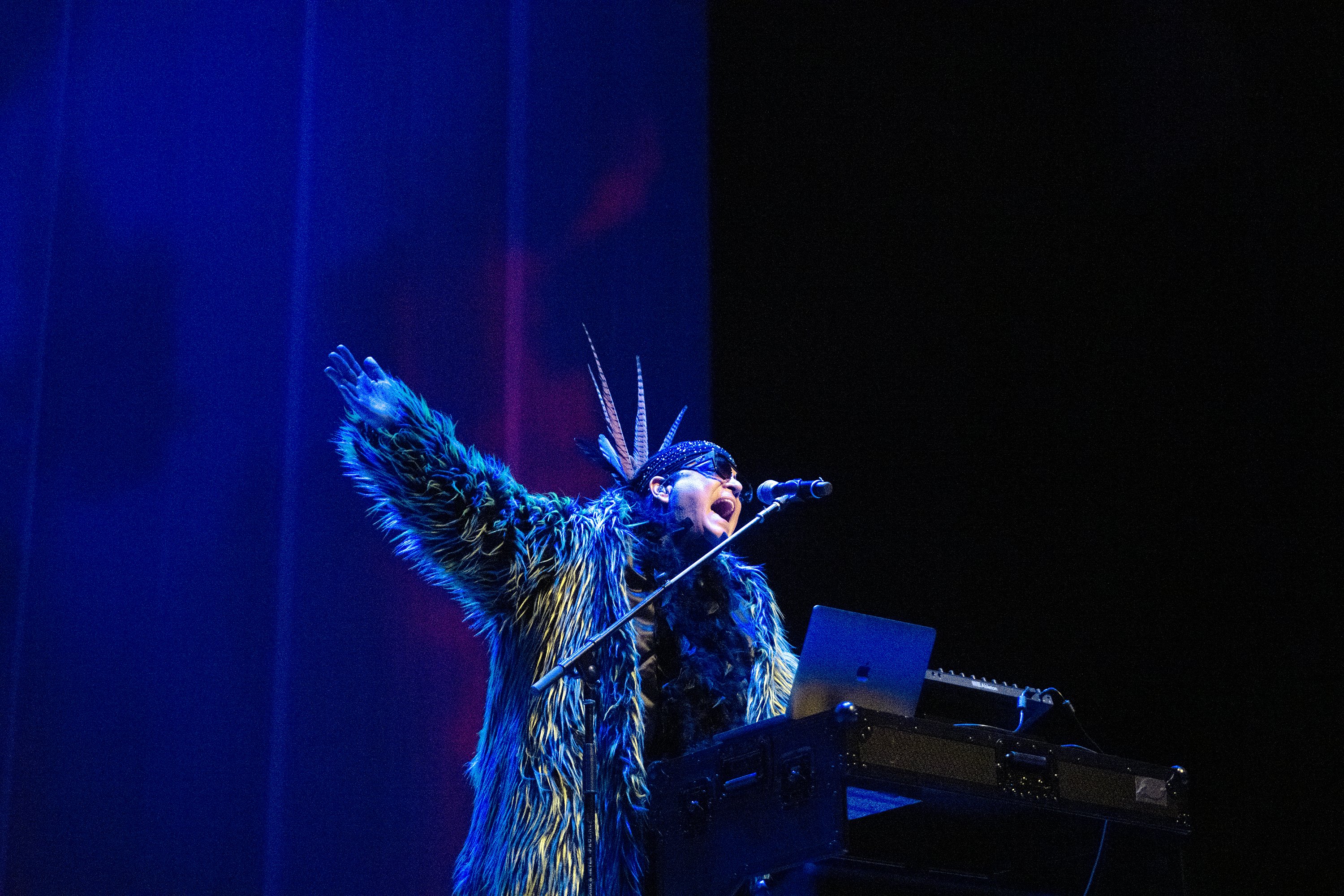
Under the leadership of the Maine Humanities Council, there will be a Maine offering that is taking place at our very own Chocolate Church Arts Center. At 5 p.m. Saturday, June 13, the CCAC is proud to co-host Maine Humanities’ contribution to the Smithsonian’s initiative. It’s called “Gather: Folklives & Foodways” and was conceived by Maine Humanities Executive Director Samaa Abdurraqib. We are honored to help present this extraordinary evening featuring food from award-winning Penobscot chef Jasmine Taintor, performances by Firefly the Hybrid, music and storytelling by Samuel James, and music and dancing by the Al-Mashreq Ensemble.
As Samaa Abdurraqib explains, “It’s our hope that ‘Gather’ brings people to joy and connection. Some of the most beautiful and transformative avenues for cultural sharing are through food and music. When we gather to share meals and rhythms with one another, we have the opportunity not only to learn about different traditions, but also to discover where our own stories overlap.” She notes that the program was designed to honor Wabanaki histories while also recognizing the many cultural traditions that have taken root in Maine over generations.
The evening’s featured artists and culture bearers each bring deeply rooted traditions and powerful contemporary voices to the stage. Jasmine Taintor, also known as “Jazz,” is a Penobscot Nation foodways advocate helping revive and celebrate Indigenous cuisine through her work with Katahdin Kitchen. Her cooking draws on traditional Penobscot food knowledge and seasonal local ingredients while emphasizing food sovereignty, cultural preservation and community connection.
Firefly the Hybrid, the performance project of Penobscot artist Jason Brown, blends traditional Wabanaki music and storytelling with electronic soundscapes, visual art and immersive performance. A traditional music keeper and acclaimed performer, Firefly’s work centers healing, identity and Indigenous cultural continuity in contemporary spaces.
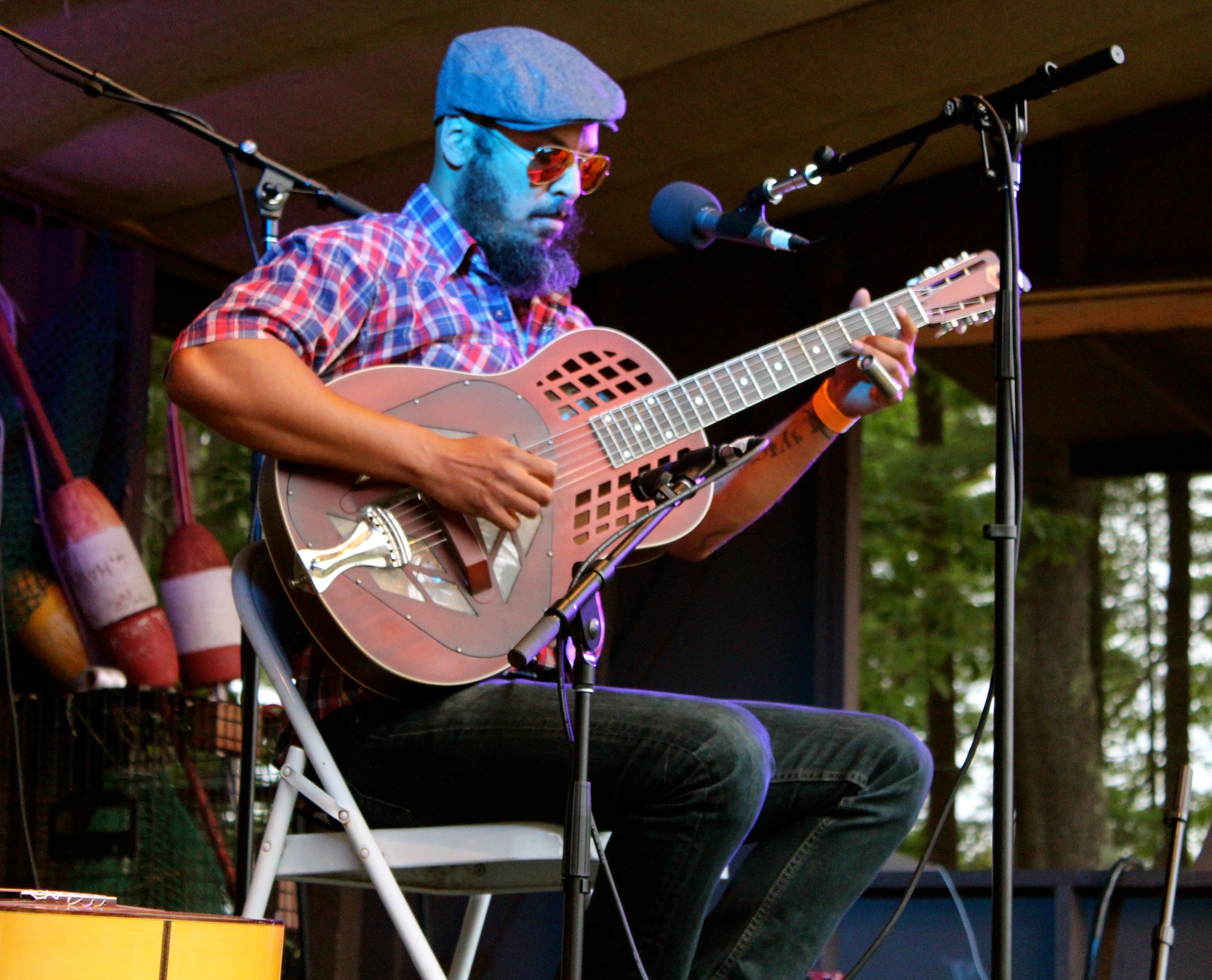
Musician and storyteller Samuel James brings together blues, folk and Black American musical traditions through deeply narrative performances. A celebrated guitarist, journalist and podcast creator based in Maine, James explores history, race and identity through both his music and public storytelling work.
The Al-Mashreq Ensemble performs traditional music from across the Eastern Mediterranean, including Iraq, Syria, Lebanon, Jordan, and Palestine. Their program features songs of love, longing, celebration, and community solidarity, accompanied by traditional Dabke line dancing that invites audience participation.
The program begins at 5 p.m. with food and leads into the sanctuary space for music and more. The event culminates with a panel discussion with all the artists involved. We are incredibly excited to welcome these extraordinary artists and culture bearers to the Chocolate Church for an evening centered on music, storytelling, food, and shared cultural experience. “Gather: Folklives & Foodways” promises to be a joyful and memorable celebration of the many traditions that shape Maine and connect us to one another.
Matthew Glassman is executive and artistic director of the Chocolate Church Arts Center in Bath.

The Times Record Sustaining Sponsor
We believe a community must be informed to thrive. bowdoin.edu
Comments are not available on this story. Read more about why we allow commenting on some stories and not on others.
We believe it's important to offer commenting on certain stories as a benefit to our readers. At its best, our comments sections can be a productive platform for readers to engage with our journalism, offer thoughts on coverage and issues, and drive conversation in a respectful, solutions-based way. It's a form of open discourse that can be useful to our community, public officials, journalists and others.
We do not enable comments on everything — exceptions include most crime stories, and coverage involving personal tragedy or sensitive issues that invite personal attacks instead of thoughtful discussion.
You can read more here about our commenting policy and terms of use. More information is also found on our FAQs.
Show less