


It could be years before Maine consumers see direct impacts from a ruling that found concert giant Live Nation and its subsidiary Ticketmaster have been operating as an illegal monopoly, but it’s already shaping the ongoing debate over a proposed Live Nation-backed venue in downtown Portland.
A jury in New York found last week that Live Nation violated antitrust laws by stifling competition and driving up ticket prices. A second round of court proceedings will be held to determine remedies, which could include millions in penalties or the breaking up of the two entities.
But that process is expected to take months or years. And in the meantime, Portland city officials are set for votes next week that could clear the way for the proposed 3,300-seat Portland Music Hall to move forward.
The City Council is scheduled to vote Monday on an expanded buffer between large venues and also to consider lifting a moratorium on new venues that has delayed the project.
Since the ruling on April 15, local venue staff, musicians and the developer behind the Portland Music Hall project have reacted with a mixture of glee and apprehension.
Opponents of the venue, which would be located at the corner of Cumberland Avenue and Myrtle Street next to Merrill Auditorium, say last week’s ruling validates their concerns over having a Live Nation venue in town.
“The ruling certainly proves our music and arts community has been right about Live Nation all along,” said Scott Mohler, executive director of the Maine Music Alliance, which has organized the local music scene’s opposition to the project. “‘Innocent until proven guilty’ no longer applies.”
Mohler said his support for the expanded buffer — which received a negative recommendation from the Planning Board last month — is “ultimately about public safety and infrastructure.”
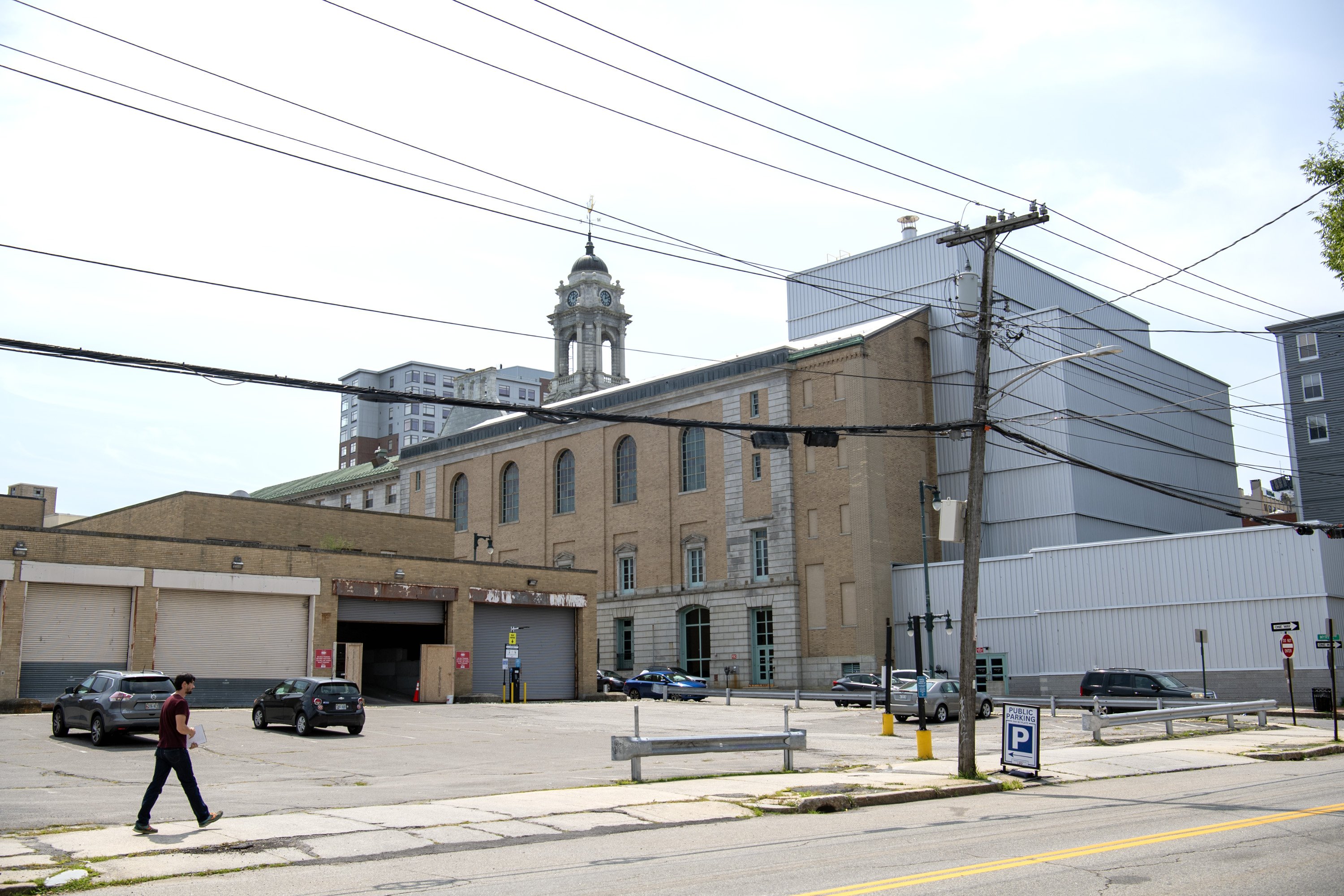
Todd Goldenfarb, the developer behind the Portland Music Hall project for Mile Marker Investments, said the ruling doesn’t change anything for his team.
“Our vision to bring more world-class entertainment to Portland remains unchanged,” he said, and the recent Planning Board vote reinforces that the project “aligns with the city’s planning vision and deserves to move forward.”
“We look forward to returning to the Planning Board and advancing a project that will create jobs, support small businesses, and generate meaningful new tax revenue for the city,” he said.
When asked specifically about the Live Nation ruling, Goldenfarb said the venue wouldn’t be limited to only Live Nation tours. He also pointed out that several other Portland venues host Live Nation events, including Cross Insurance Arena and Merrill Auditorium.
RULING IMPACT
Rebecca Haw Allensworth, a visiting professor at Harvard Law School who teaches antitrust law, said fans of live music should temper their expectations that the ruling will have sudden impact.
In a statement last week, Live Nation said the jury’s verdict “is not the last word on this matter,” and that the company “can and will appeal any unfavorable rulings.”
Allensworth said that over the next weeks or months, a decision will be made on remedies for Live Nation, but then appeals will likely take a year. She said the strongest possible remedy would be a breakup of Live Nation and Ticketmaster, which she believes would be effective in bringing more competition to concert promotion and ticketing— just not instantly.
“Even if that were to happen, it would really take time for consumers to feel the decision in their pocketbook,” she said.
Allensworth said regardless of how the case shakes out, Live Nation is still going to be a powerful company, even if some of its current power through Ticketmaster is ultimately lost.
“If I were a small venue, I would be worried at least as much about the presence of this behemoth company even without the Ticketmaster piece of it,” she said.
According to an attorney representing the 33 states on the case, Live Nation controls 86% of the market for concerts.
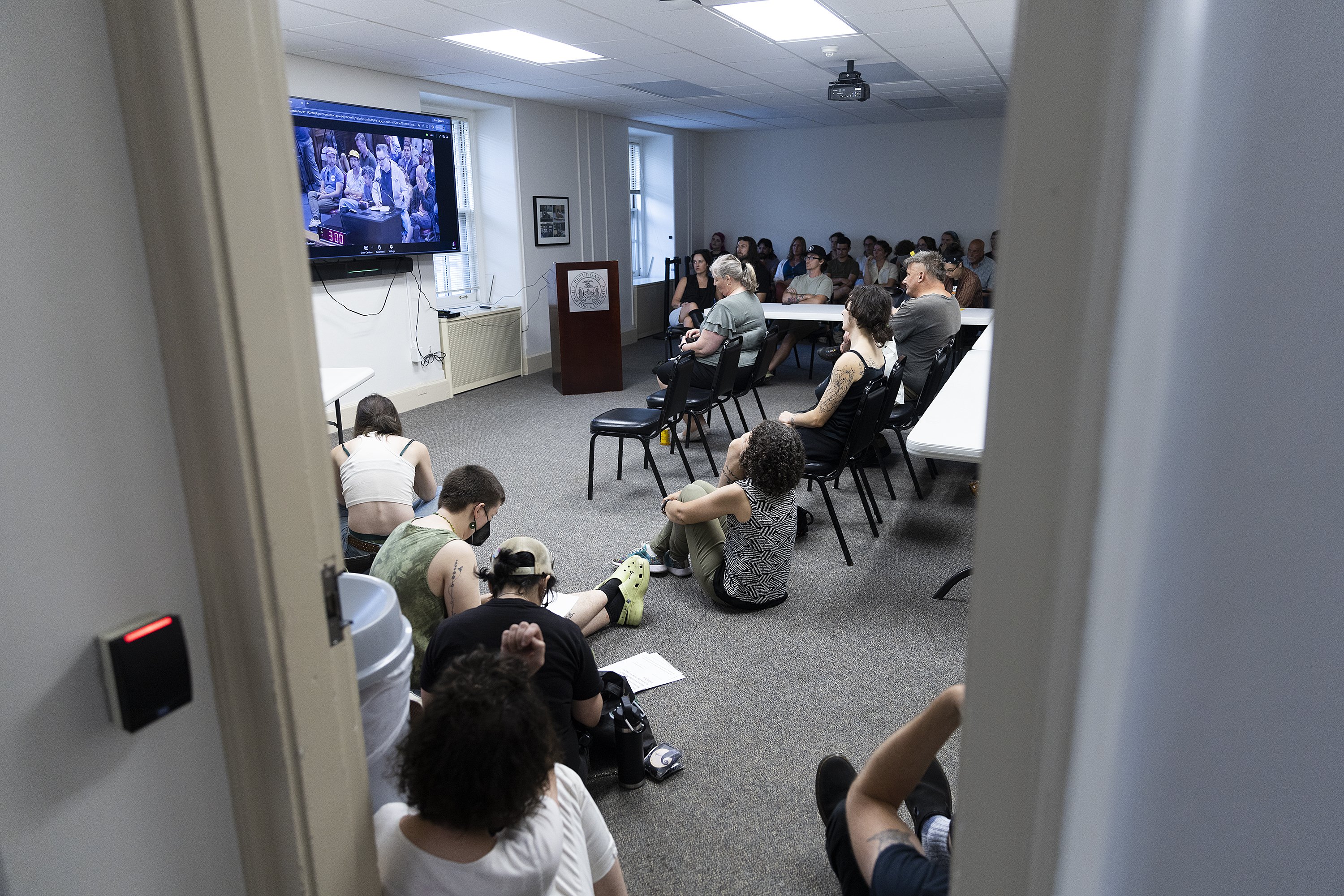
Several of Portland’s large venues that use Ticketmaster as a ticketing vendor said it’s too early to tell how the case will impact their operations. Some declined to comment, while others said they’re hoping in the end the price of concert tickets will go down.
Michael LoConte, general manager at Cross Insurance Arena, said staff have been following the case closely but that “it’s too early to project any future impact at this juncture.”
At the State Theatre, which also uses Ticketmaster, President Lauren Wayne said recent scrutiny around Live Nation is about “a single dominant player” holding significant influence over touring, ticketing and venue access.
“We’re hopeful local decision-makers take a thoughtful, long-term view of what best serves both the creative community and the broader public — and one that allows independent venues to continue contributing to the city’s cultural identity and local economy,” she said.
Cam Jones, a musician and marketing manager at Live at Madrid’s, the new 800-capacity venue on Fore Street, also expects the legal process to drag on. Madrid’s uses an independent ticketing platform called TIXR.
“This process will take years and in the meantime the laws and landscape will change while fans and musicians will bear the brunt of the increasing costs to tour and see live music,” he said. “I hope this is a wake-up call to everyone to realize how much of our culture is owned by only a few companies.”
In January, Portland officials created a new license for venues with a capacity of over 2,000 that would require them to contribute 1%-2% of ticket sales to an Entertainment Sector Trust Fund.
Before the Portland Music Hall project was stalled by the moratorium, its developers had already agreed to contribute $1 per ticket as a condition of approval, with half the money going to Greater Portland Metro to improve bus service and the rest going to the city to benefit local arts organizations.
In recent weeks, the International Alliance of Theatrical Stage Employees, a union representing over 100 stagehands, technicians and entertainment workers throughout Maine, came out in support of the project.
Goldenfarb has said the venue will create 250 full- and part-time jobs with a base pay rate starting at $20 an hour.

We invite you to add your comments. We encourage a thoughtful exchange of ideas and information on this website. By joining the conversation, you are agreeing to our commenting policy and terms of use. More information is found on our FAQs. You can update your screen name on the member's center.
Comments are managed by our staff during regular business hours Monday through Friday as well as limited hours on Saturday and Sunday. Comments held for moderation outside of those hours may take longer to approve.
Join the Conversation
Please sign into your Press Herald account to participate in conversations below. If you do not have an account, you can subscribe here. Questions? Please see our FAQs.