
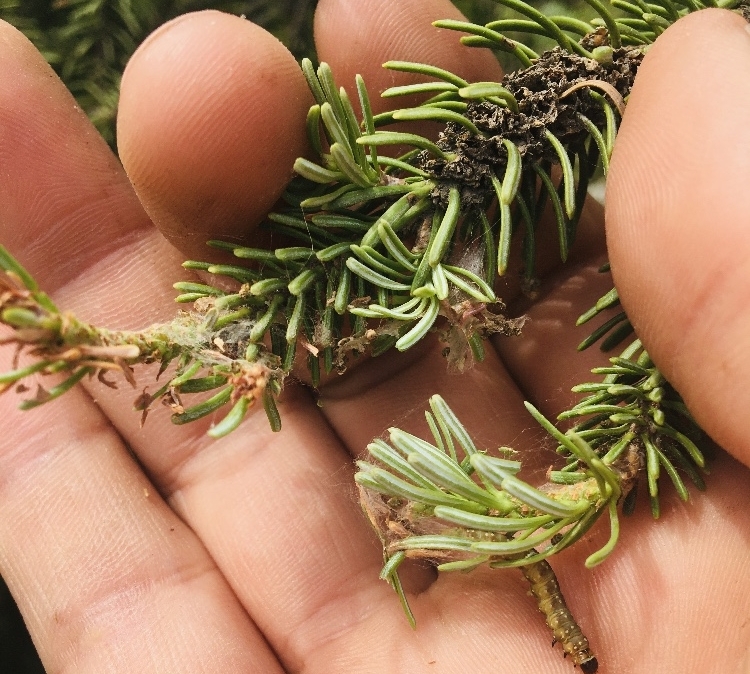

The early intervention program, modeled after one in New Brunswick, would fund the spring spraying of pesticides on 300,000 acres of commercial spruce-fir forests in northern Maine where state inspectors have found evidence of overwintering budworm larvae.
Penelope Overton
Staff Writer
Penny is excited to be the Portland Press Herald’s first climate reporter. Since joining the paper in 2016, she has written about Maine’s lobster and cannabis industries, covered state politics and spent a fellowship year exploring the impact of climate change on the lobster fishery with the Boston Globe’s Spotlight team. Before moving to Maine, she covered politics, environment, casino gambling and tribal issues in Florida, Connecticut and Arizona. Her favorite assignments allow her to introduce readers to unusual people, cultures, or subjects. When off the clock, Penny is usually getting lost in a new book at a local coffeehouse, watching foreign crime shows or planning her family’s next adventure.

Posted inMaine, News
Long-awaited cleanup begins with the digging of a giant hole in Portland Harbor
A 9-acre disposal site will be dug to accept up to 245,000 cubic yards of contaminated sediment that has built up between the wharves, piers, marinas and boat yards of Portland Harbor over the last 70 years.
advertisement
Posted inMaine, News
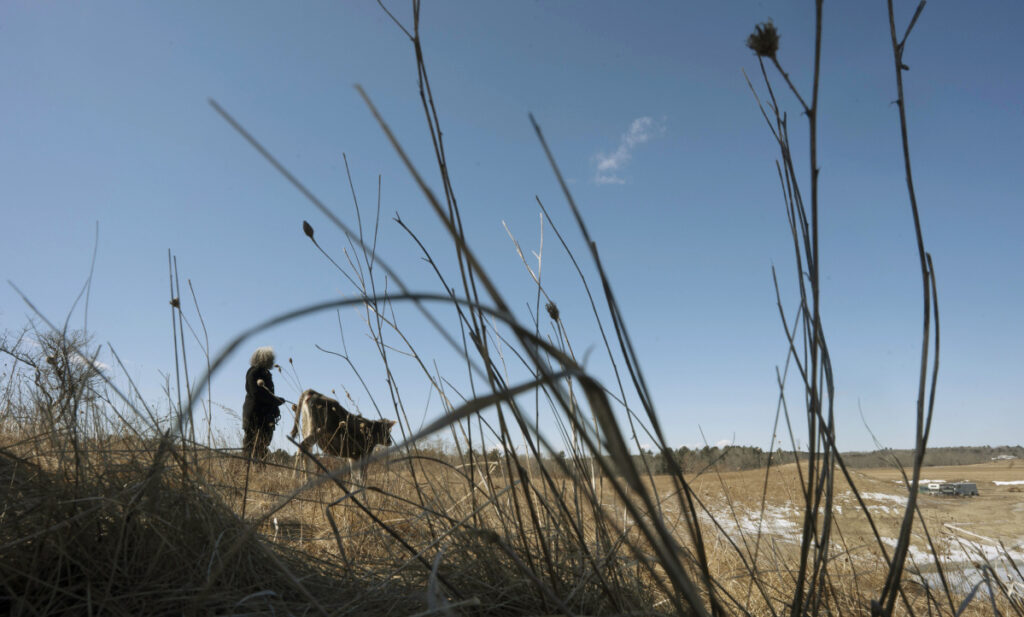
PFAS contamination found on more than 100 Maine farms
The state’s ambitious multiyear investigation into PFAS contamination from sludge-based fertilizer is not yet halfway done, but costs are mounting as new federal protections arise from mounting scientific evidence of potential human health risks.

Posted inMaine, News
Forever chemicals in sludge fertilizer pose cancer risk, EPA says
Draft findings published Tuesday echo what Maine has been saying since 2022, when it became the first state to ban the use of sludge as fertilizer because of high concentrations of harmful PFAS.

Posted inMaine, News
PFAS in Maine can travel from stream to ski trail through snowmaking
Harmful and persistent forever chemicals that accumulate in some water bodies can be sprayed onto slopes by machine, but the extent of the risk is unknown.

Posted inMaine, News
How climate change is shortening Maine’s ice season, and why it matters
As Maine winters warm, the amount of time Maine’s ponds, rivers and lakes are covered by ice is shrinking, posing a threat to lake health and the winter sports economy.
Posted inMaine, News
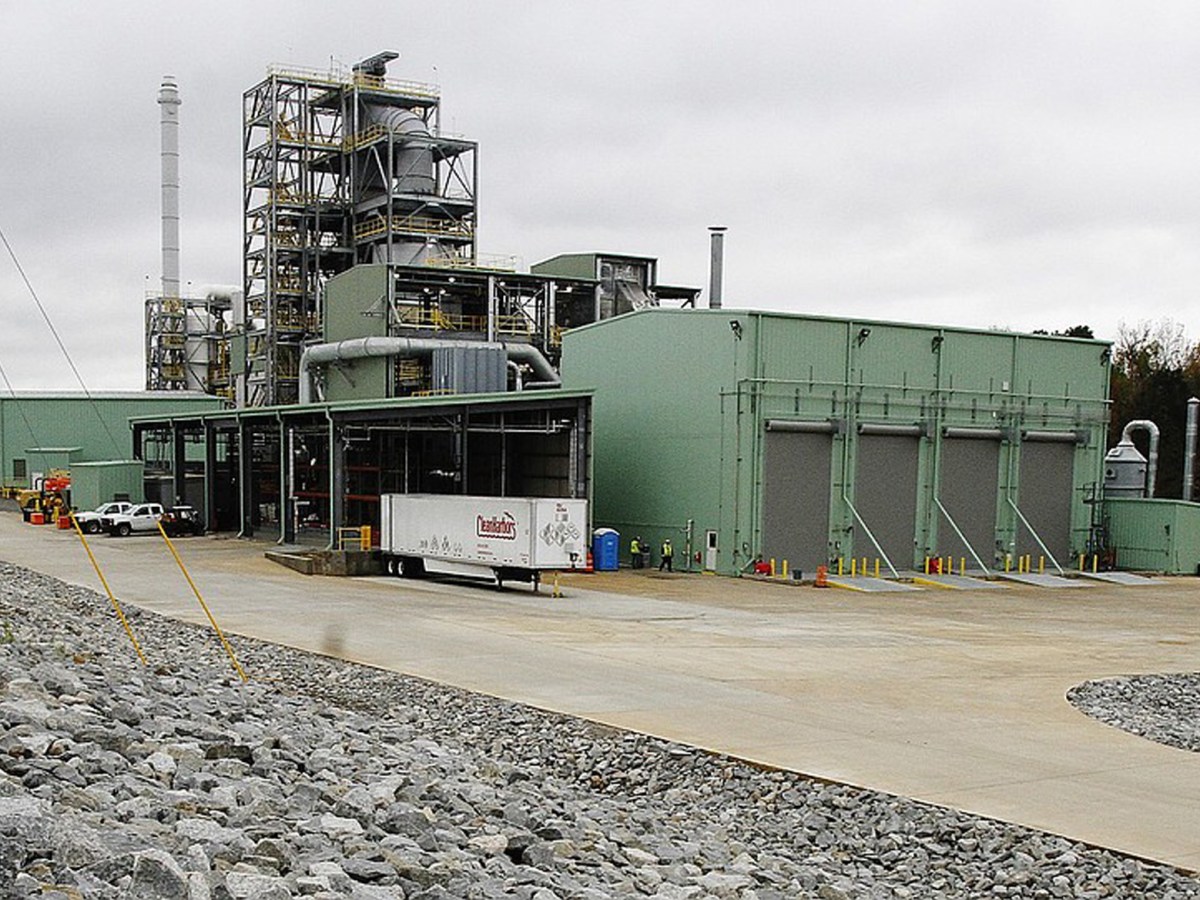
Maine’s toxic firefighting foam shipped out of state to poor areas
Newly released records show more than 22,000 gallons of PFAS-laden foam and rinse water recovered after the recent Brunswick spill were trucked to waste incinerators in low-income communities far from Maine’s borders.

Posted inMaine, News
$17 million awarded to promote forest sustainability, carbon storage in Maine
Grants awarded by the U.S. Forest Service will pay for private landowners to adopt climate-friendly forestry practices and conserve old-growth forests for carbon storage and help the Penobscot Nation enter carbon market.

Posted inMaine, News, Schools and Education
UNE students put sustainability lessons to work locally
The sustainability fellowship program was launched last year to train the next generation of leaders and build an official sustainability network in southern Maine.

Posted inMaine, News
Outfitting New England’s highest peak to give a sneak peek at Maine’s weather
The expansion of the Mount Washington weather network will provide real-time data for skiers, hikers and skaters heading to New Hampshire, but it will also help improve Maine forecasts and preview storm systems heading into the Pine Tree State.