
DURHAM – Roberta Brezinski of Durham was among those recognized by Friends of Casco Bay on Jan. 28, during the organization’s Volunteer Appreciation Celebration.
Brezinski was honored for 15 years of monitoring water quality. Joan Greene of Yarmouth and Mike Doan of South Portland, each with 20 years, are the only volunteers recognized with longer service to Friends of Casco Bay.
Friends of Casco Bay volunteers help to clean beaches, stencil storm drains and help with fundraising. The 79 volunteer water quality monitors devoted 10 Saturdays in 2013 to collecting data on the health of Casco Bay.
Brezinski, who is married and has two children, took a few minutes to answer questions about her interest in water quality and what they are learning from the monitoring program.
Q: How did you become interested in water quality, and how do you think we’re doing as a society toward that end?
A: In another life, I earned a bachelor’s degree in wildlife biology. I wanted to get back to some natural science-related activity. Someone told me about the work of Friends of Casco Bay. The protocol used by Friends of Casco Bay water stewards is EPA-certified. I liked the idea of generating data that could be used by scientists. As a society, we would do well to increase awareness of our surroundings, meaning the world of which we are a small part.
Q: Specifically, how has the water quality of Casco Bay improved in recent years? Friends of Casco Bay plays a big part, doesn’t it?
A: We are seeing some places like Quahog Bay improving over the last 22 years but places like the Royal River and Harraseeket River are experiencing huge impacts from land runoff, which includes a huge amount of silt and toxins like lawn care products, bacteria, etc. The silt alone reduces light penetration, which inhibits aquatic plant growth (eelgrass, etc.). Friends of Casco Bay has done a lot through education, advocacy, water quality monitoring programs and collaborative partnerships. The Mobile Pumpout Program and efforts toward passing a bill to control cruise ship pollution come to mind.
Q: What do you do as a “Friend,” and how much time do you spend doing it?
A: As a water quality monitor, I take a water sample from the bay with a 5-gallon bucket. The sample is tested for temperature, pH, dissolved oxygen and salinity. Some atmospheric measurements are taken as well. For anyone interested in helping out, it’s easier than it sounds.
Q: Can you comment on the value of volunteerism?
A: You could say that everyone has a responsibility to “repair the earth.” Our survival depends on it.
Q: How much of a spirit of camaraderie is involved with the Friends?
A: We all feel that we are part of something special and enjoy each other’s company. There are annual events to take part in, such as the Wild and Scenic Film Festival and the annual meeting/volunteer recognition night. There will be a “state of the bay” meeting in March.
Q: What is the most recent data telling you?
A: That the bay is highly variable. The near-shore coastal environment is so dynamic and influenced by so many things (wind, tides, human activity, localized rains, etc.) that it’s really hard to see big trends, but there are some like the decline in pH. The ocean is becoming more acidic and the largest driver of this acidification is nitrogen pollution.
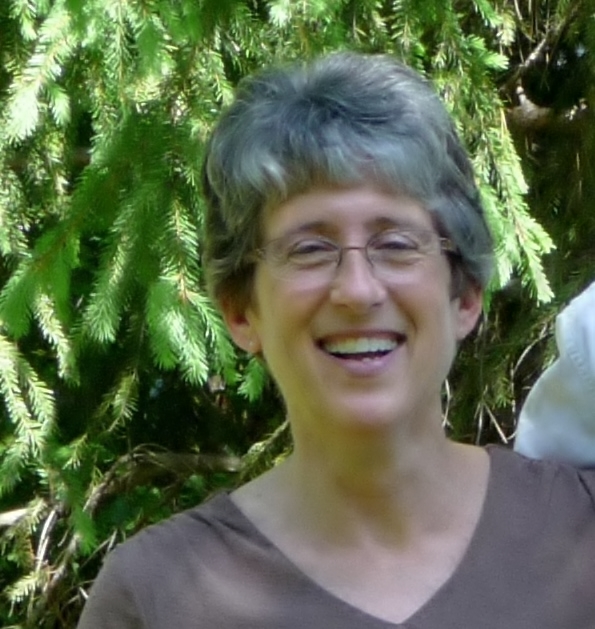 Roberta Brezinski of Durham has spent 15 years monitoring Casco Bay water quality.
Comments are no longer available on this story