

As America approaches its 250th birthday, citizens are reflecting on the country’s history, and particularly on how it has affected the areas they call home. In the rolling hills and lakes of inland Cumberland County, American history lives on, kept alive by museums, historical societies and more. Here are some examples of living history in the Lakes Region:
WINDHAM HISTORICAL SOCIETY, WINDHAM
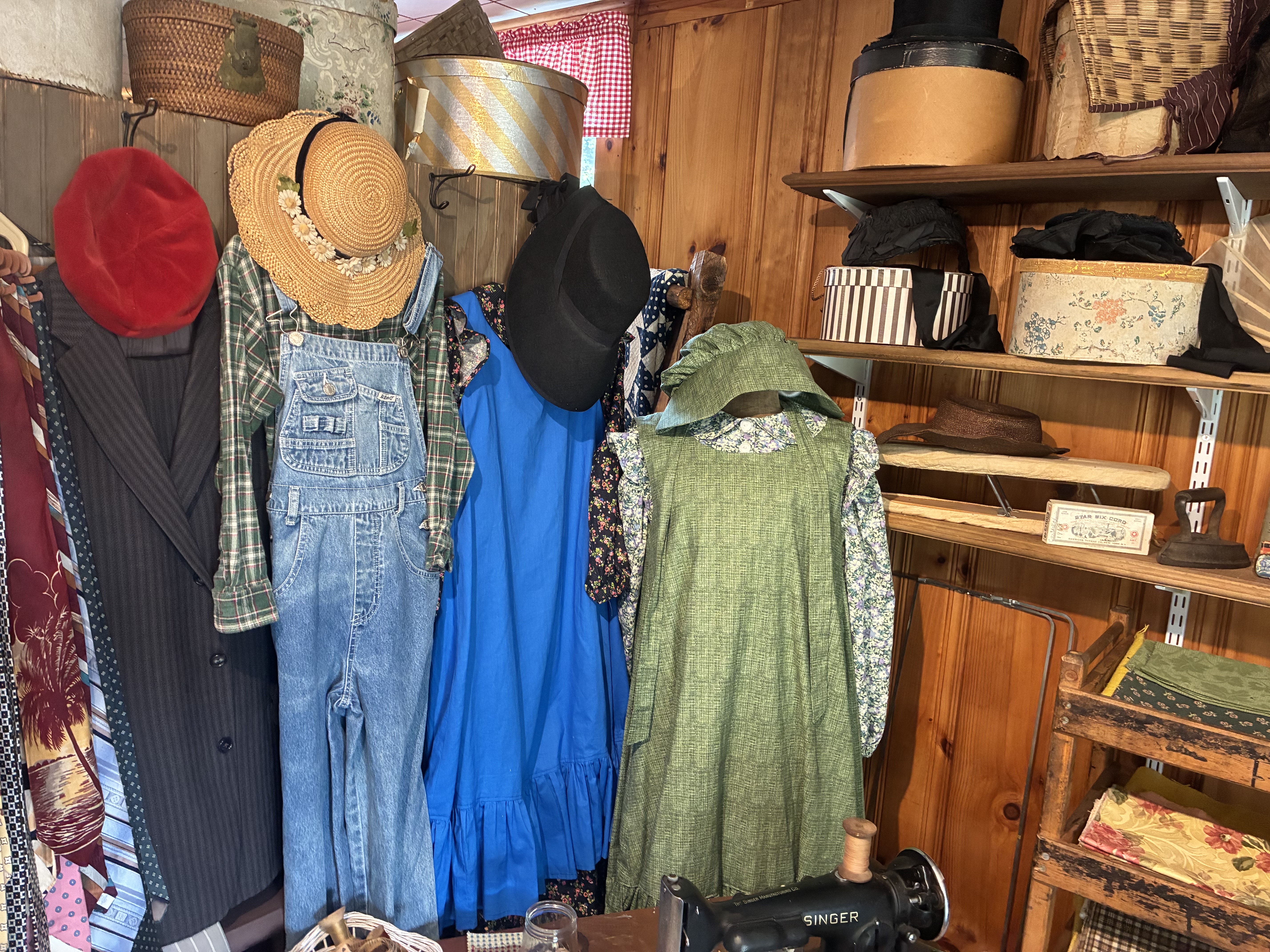
Located between Windham High School and town hall, the Windham Historical Society consists of several relocated historic buildings, forming a re-creation of a village in transition from the agricultural to industrial revolutions. Inside, the buildings are decorated with memorabilia from the 19th and early 20th centuries, giving a sense that one is in a place of living history.
The Village Green consists of an old schoolhouse, grocery store, library and blacksmith shop, as well as Windham’s first town hall, built in 1833. As of late 2025, the town hall is being renovated to fix structural issues. Since 2023, the historical society has hosted a fall festival on the grounds, which saw more than 500 attendees in 2025.
SABBATHDAY LAKE SHAKER VILLAGE, NEW GLOUCESTER
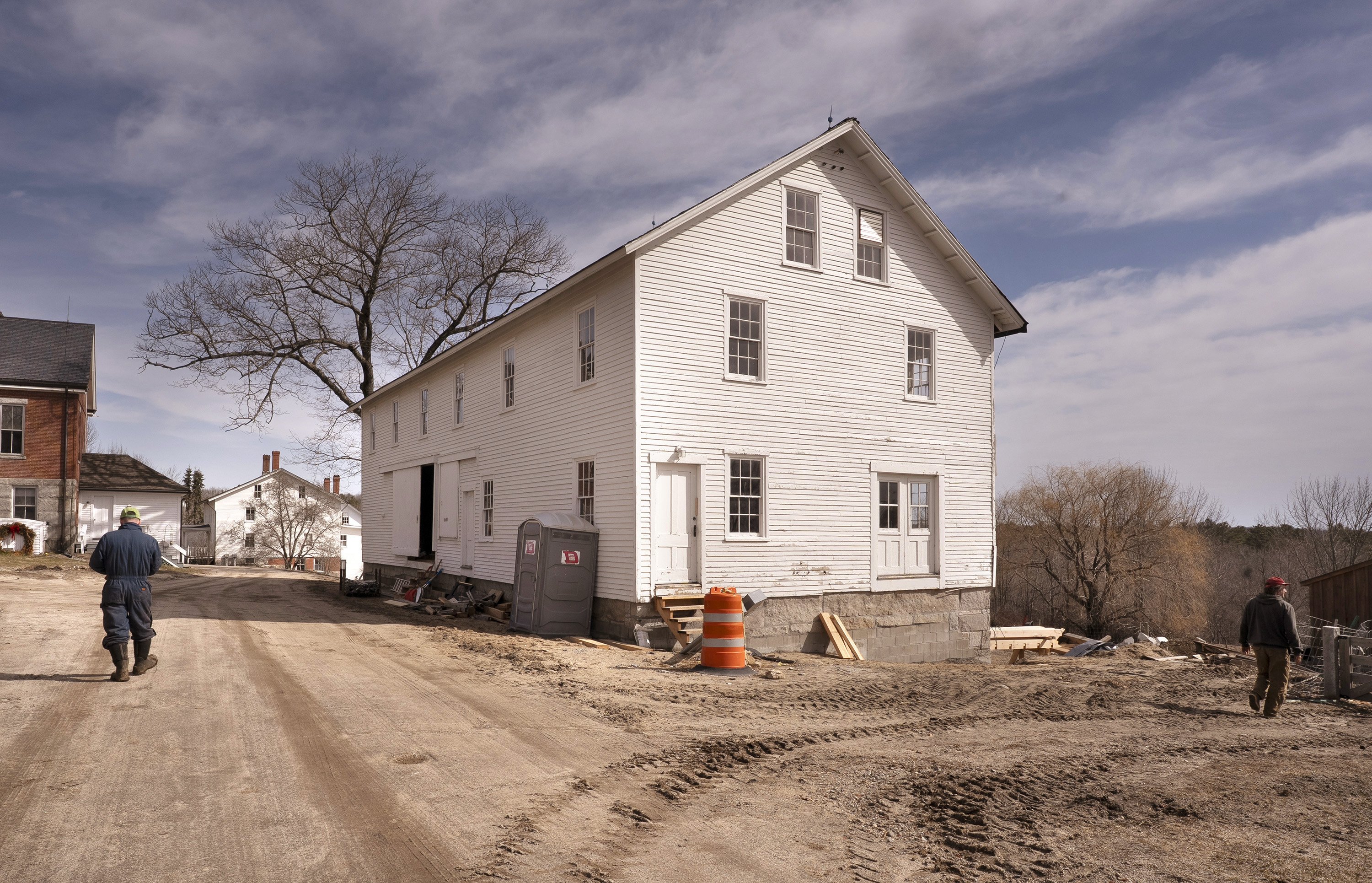
This farm in New Gloucester serves as the last refuge of the Shakers. In the early days of the United States, the Shakers were one of many new denominations of Christianity, known for their celibacy, egalitarian lifestyle and unique furniture tradition, with communities scattered across the young republic. Over time, however, the church dwindled in numbers, and now consists of three worshippers living in Maine.
Today, the village serves not only as a living testament to the Shaker religion, but also as a nexus of community in New Gloucester and beyond, hosting events as varied as church services, concerts from folk musicians, and a Wabanaki Arts Market. The village is also renovating its former herb house into a cultural center.
NATHANIEL HAWTHORNE’S BOYHOOD HOME, RAYMOND
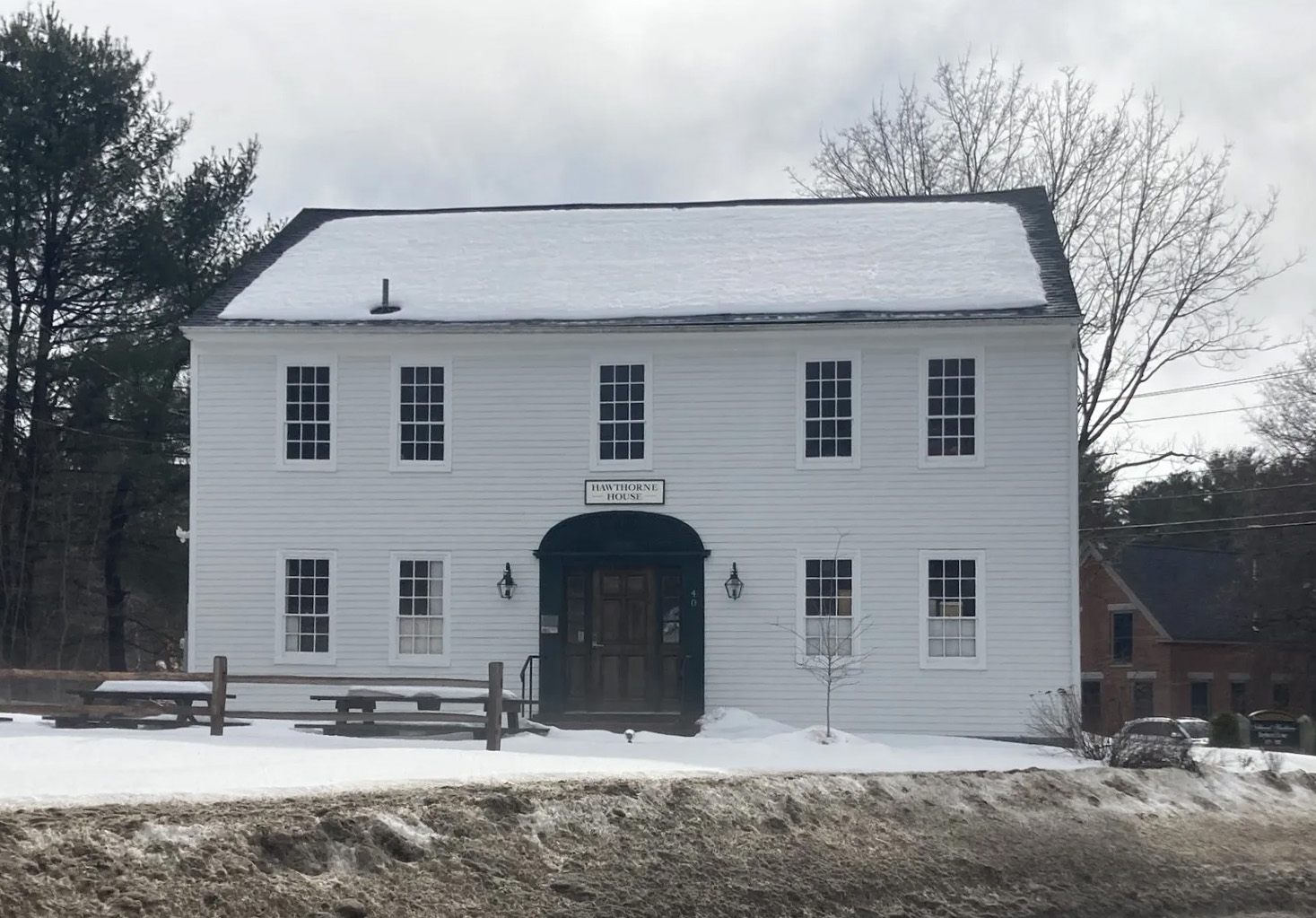
Nathaniel Hawthorne, famed author of classic American novels such as “The Scarlet Letter” and “The House of the Seven Gables,” is largely associated with his birthplace of Salem, Massachusetts. However, he did spend a portion of his childhood in Raymond, Maine, then part of Massachusetts, which he reflected upon fondly as an adult. Following the Hawthorne family’s departure, the home was hollowed out and converted into a meetinghouse, and is currently owned by the Hawthorne Community Association.
Today, the building serves as a small community center for the town of Raymond, with light theming to reflect its historic past. One of the more notable events hosted at the Hawthorne House is “An Evening of Global Jazz,” a performance by acclaimed jazz musicians McCoy Mrubata and Gary Wittner, scheduled for Saturday, April 18.
RAYMOND CASCO HISTORICAL SOCIETY, CASCO
Like its counterpart in Windham, Raymond Casco Historical Society preserves historic buildings of the Lakes Region. Locations on the historical society’s campus include a museum, a 19th-century barn, a one-room schoolhouse, and an impressive collection of antique automobiles.
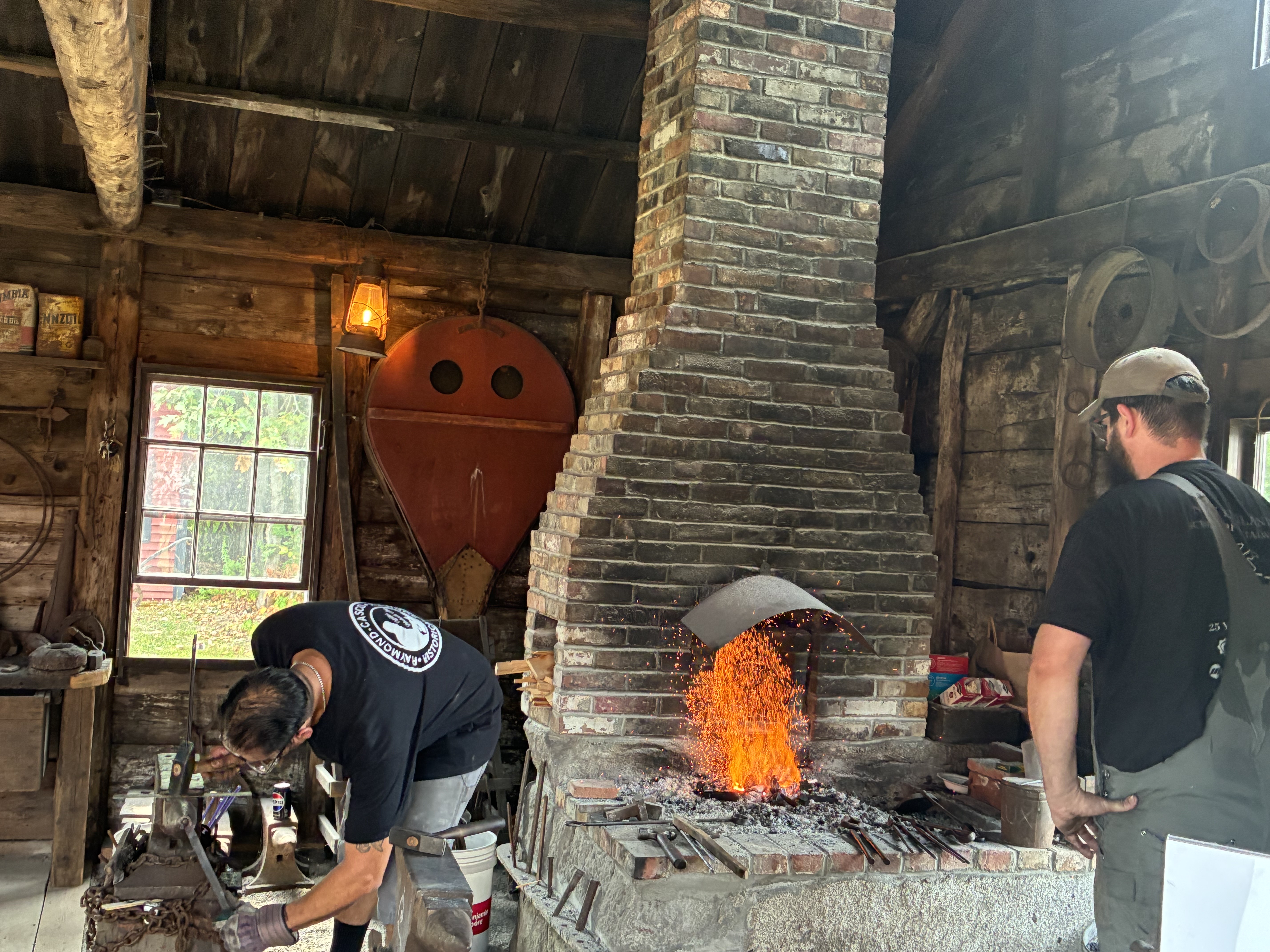
The crown jewel of the historical society is the Watkins Blacksmith Shop. The Civil-War era blacksmith shop was featured in the 1920s silent film, “Timothy’s Quest,” and was reconstructed on the historical society grounds in 2022 after being moved from its original location. The shop has five volunteer working blacksmiths, who give demonstrations.
RUFUS PORTER MUSEUM OF ART AND INGENUITY, BRIDGTON
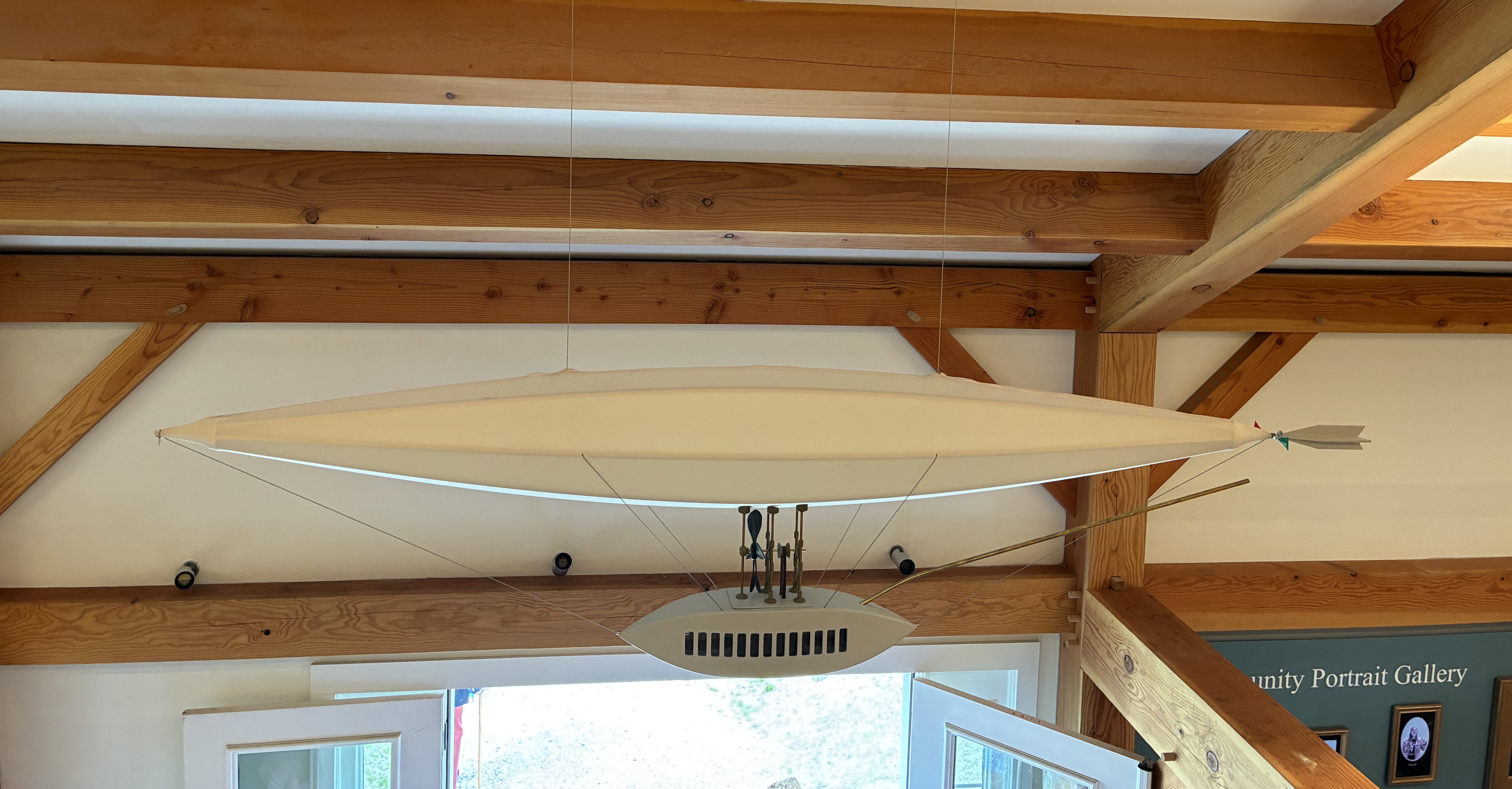
Nicknamed the “Yankee Da Vinci,” Rufus Porter was an artist and inventor best known for founding Scientific American magazine. Porter, who grew up in Bridgton, was famous not only for his murals, which depicted an idealized version of 19th-century New England, but also for ideas ahead of his time, such as a proposal for a flying machine decades before the Wright brothers’ first flight.
The Rufus Porter Museum of Art and Ingenuity, honoring his many contributions to the world, consists of three historic buildings, including the main museum in the John and Maria Webb House, and a separate building that houses the museum store. The newest addition to the museum is the Graham Center, which houses the Norton House Murals, painted in 1840 by Porter’s nephew, Jonathan Poor.

We invite you to add your comments. We encourage a thoughtful exchange of ideas and information on this website. By joining the conversation, you are agreeing to our commenting policy and terms of use. More information is found on our FAQs. You can update your screen name on the member's center.
Comments are managed by our staff during regular business hours Monday through Friday as well as limited hours on Saturday and Sunday. Comments held for moderation outside of those hours may take longer to approve.
Join the Conversation
Please sign into your Press Herald account to participate in conversations below. If you do not have an account, you can subscribe here. Questions? Please see our FAQs.