
There’s a chore at the Chocolate Church Arts Center that my staff truly dislikes: removing the front rows of seats to make a dance floor. It requires taking out enough seats to create space to boogie, while also making sure it doesn’t bother the sightlines for those sitting. It is a royal pain, schlepping over 70 heavy seats out on a dolly and finding discreet places for them.
I don’t mind doing this job. In fact, I sort of love it. This is because it is an honor to prepare a space for people to have an awesome time, a memorable time, an extraordinary time.
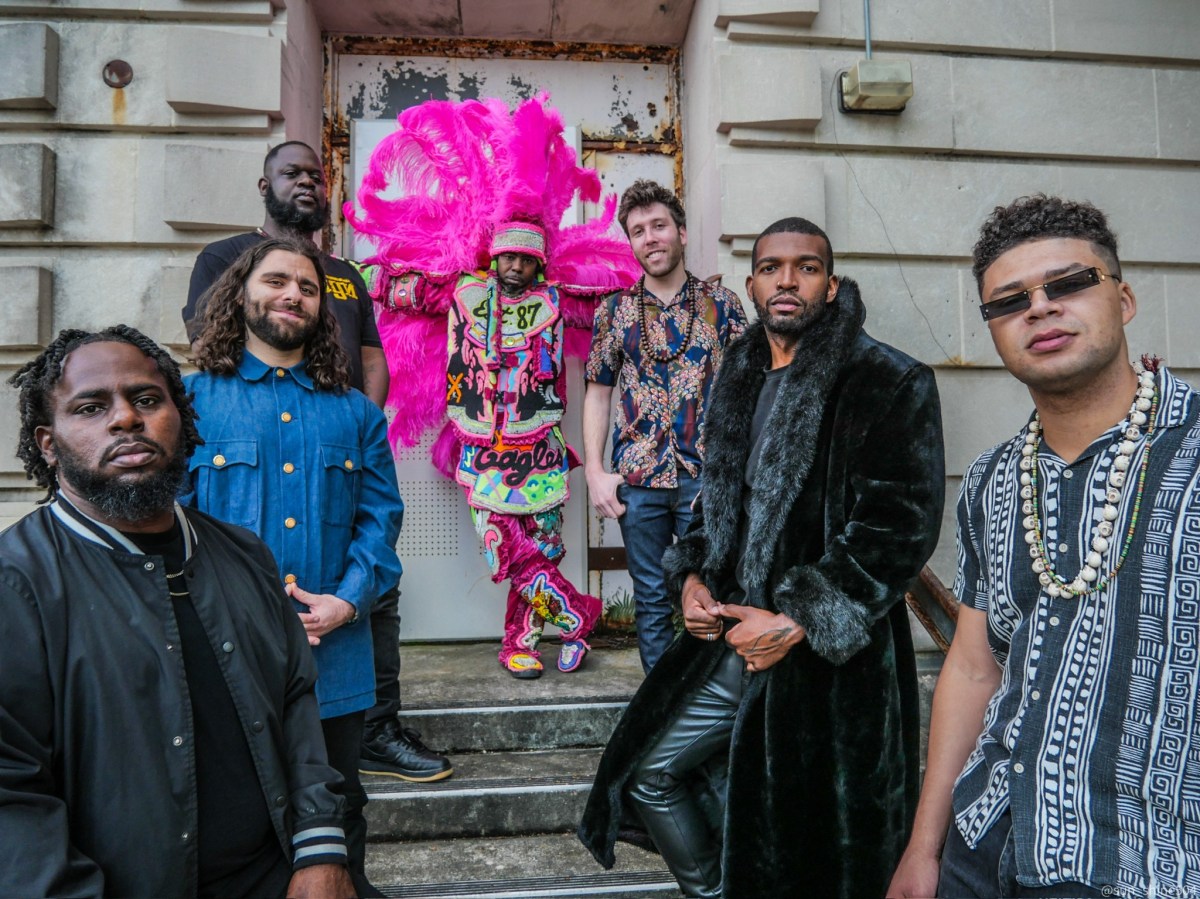
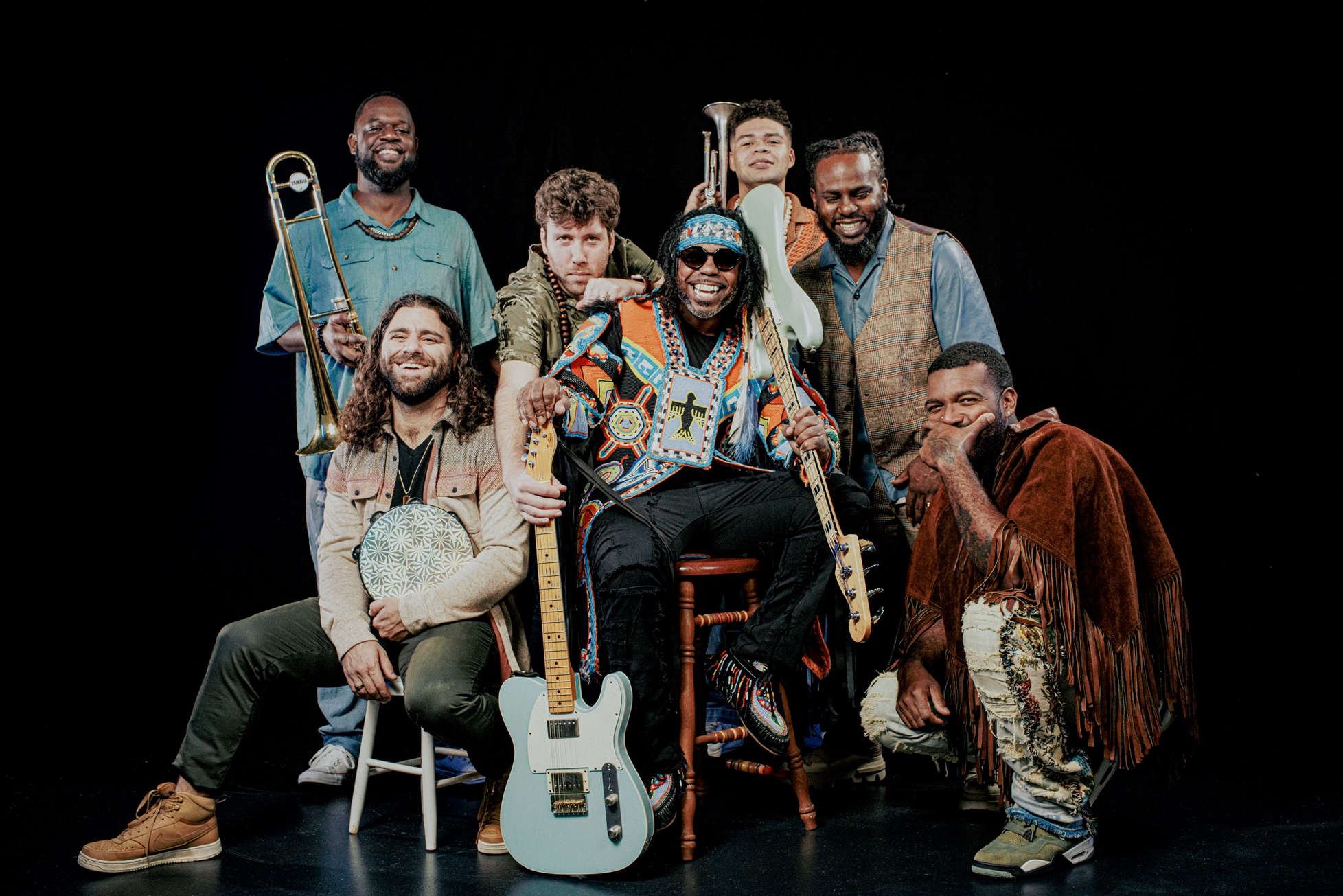
Next week, at 7:30 p.m. Friday, April 17, the Chocolate Church Arts Center will have that dance floor out and ready to host a powerful musical experience: The Rumble featuring Chief Joseph Boudreaux Jr., bringing the spirit of New Orleans straight to Maine.
With Chief Boudreaux at the helm, the heart of this performance is the deep tradition of the Mardi Gras Indians, one of New Orleans’ most vibrant cultural practices. Emerging in the 19th century, Mardi Gras Indian tribes were formed by African-American communities to honor Native American groups who offered refuge to escaped enslaved people. Today, tribes like the Golden Eagles, led by Chief Joseph Boudreaux Jr., carry this legacy forward through stunning hand-sewn regalia, ritual performance and music rooted in pride, resistance and community identity.
There’s a cool term, “communitas,” that anthropologists use to describe the powerful sense of shared connection that emerges during rituals — moments when everyday hierarchies fade and people come together as equals. Mardi Gras is a living example of this idea. In the streets and clubs of New Orleans, social boundaries dissolve as music, movement and celebration take over, creating a collective experience that is as emotional as it is communal.
For Mardi Gras Indians, communitas is central. Within each tribe, months of preparation — sewing suits, practicing chants — build deep bonds. When tribes meet, what was once conflict has evolved into ritualized display and mutual respect. And when they take to the streets, the boundary between performer and audience disappears entirely. Through call-and-response chants and driving rhythms, everyone present becomes part of the moment.
That sound has shaped the very foundation of New Orleans funk and jazz. Artists like The Meters and Dr. John drew directly from Mardi Gras Indian rhythms, while recordings like “The Wild Tchoupitoulas” captured the fusion of tradition and modern groove. This music — percussive, participatory and deeply rooted — continues to influence generations.
The Rumble brings that very tradition into the present with a high-energy blend of funk, rock and soul, anchored by the unmistakable voice and presence of Chief Joseph Boudreaux Jr. Their performances don’t just showcase the music — they embody the spirit of communitas, inviting audiences into a shared, electrifying experience. In fact, Chief Joseph Boudreaux was featured with his father in a recent “60 Minutes” episode about the tradition of Mardi Gras Indians.
Join us on April 17 for a night where history, rhythm and community come together. There will also be a taste of New Orleans, with NOLA’s Food Truck on-site. Come on over to the Chocolate Church Arts Center, get your Mardi Gras Indian funk on and be part of the magic of New Orleans in Bath.
Matthew Glassman is executive and artistic director of the Chocolate Church Arts Center.

The Times Record Sustaining Sponsor
We believe a community must be informed to thrive. bowdoin.edu
Comments are not available on this story. Read more about why we allow commenting on some stories and not on others.
We believe it's important to offer commenting on certain stories as a benefit to our readers. At its best, our comments sections can be a productive platform for readers to engage with our journalism, offer thoughts on coverage and issues, and drive conversation in a respectful, solutions-based way. It's a form of open discourse that can be useful to our community, public officials, journalists and others.
We do not enable comments on everything — exceptions include most crime stories, and coverage involving personal tragedy or sensitive issues that invite personal attacks instead of thoughtful discussion.
You can read more here about our commenting policy and terms of use. More information is also found on our FAQs.
Show less