


PORTLAND — Kate Howe suffered through most of her 40s with hot flashes, fatigue, sleepless nights and other symptoms of perimenopause.
Her frustrating search for relief led her to start MenoPantry, a new company with a food-based approach to easing perimenopause and menopause and supporting women’s health in midlife.
Howe and her business partner, Caitlin Hosmer, a registered dietician, will be featured May 30 on Greenlight Maine, a Shark Tank-like TV series where local startups compete for $40,000 and mentorship opportunities.
Their first product is MenoMix, a smoothie powder that is launching them into a global menopause market valued at $17.8 billion in 2024 and projected to reach $23.3 billion by 2030, according to Grand View Research. More than 80% of that market is in the U.S., where about 85 million women are age 40 and up.
Before starting MenoPantry, Howe talked to doctors, worked out and took supplements, but she saw little improvement in her health. She finally got some answers in late 2024, when a nutritionist recommended a diet high in protein and fiber to help boost her metabolism, stabilize her blood sugar and control her weight.
Over time her symptoms diminished. She stayed full longer. She had more energy and improved digestion. She even lost 5 pounds.
“I just felt good,” said Howe, now 50. “I still feel good.”
MIDLIFE GAPS IN NUTRITION
Menopause occurs when a woman ceases menstruation for a full year, usually between the ages of 45 and 55, according to the National Institute on Aging.
Perimenopause is the process leading up to menopause when the body’s production of estrogen and progesterone declines. Symptoms can start several years before the onset of menopause.
Midlife hormonal changes can affect how women process protein, build muscle, regulate blood sugar and manage energy. Gaps in nutrition can amplify negative impacts of those changes, said Hosmer, ManoPantry’s co-founder. She has a master’s in nutrition from Tufts University and is a lead nutritionist at Brigham and Women’s Hospital in Boston.
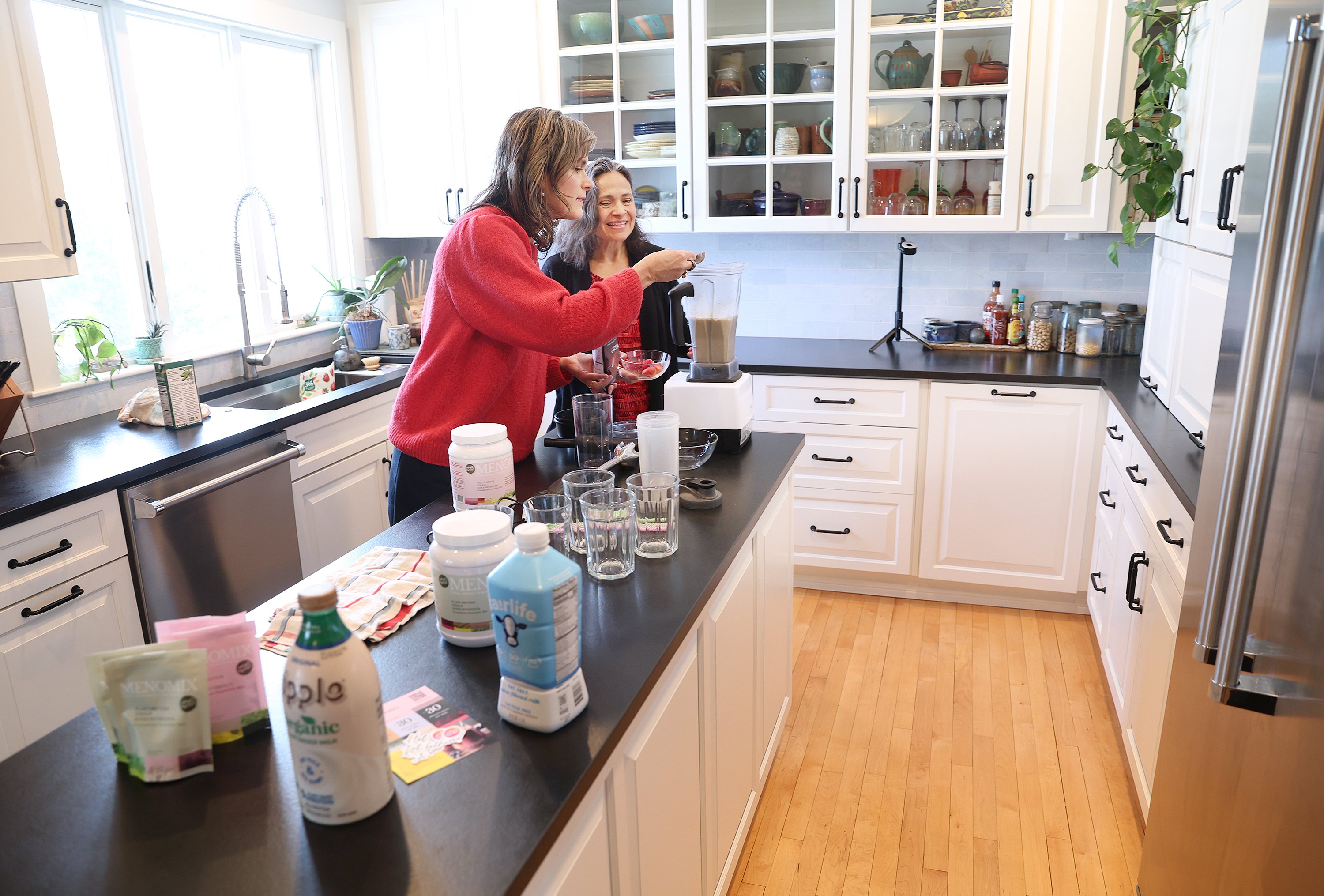
Multiple studies have shown that a diet high in protein, fiber, fruits, vegetables and certain nutrients can help prevent bone loss and cardiovascular disease, reduce inflammation and, for some people, minimize menopausal symptoms.
“A healthy eating routine with nutrient-dense foods and beverages is important for maintaining health and may help to manage the symptoms of menopause,” said Lori Kaley, a registered dietician nutritionist and women’s health expert with the University of New England’s Center for Public Health Practice.
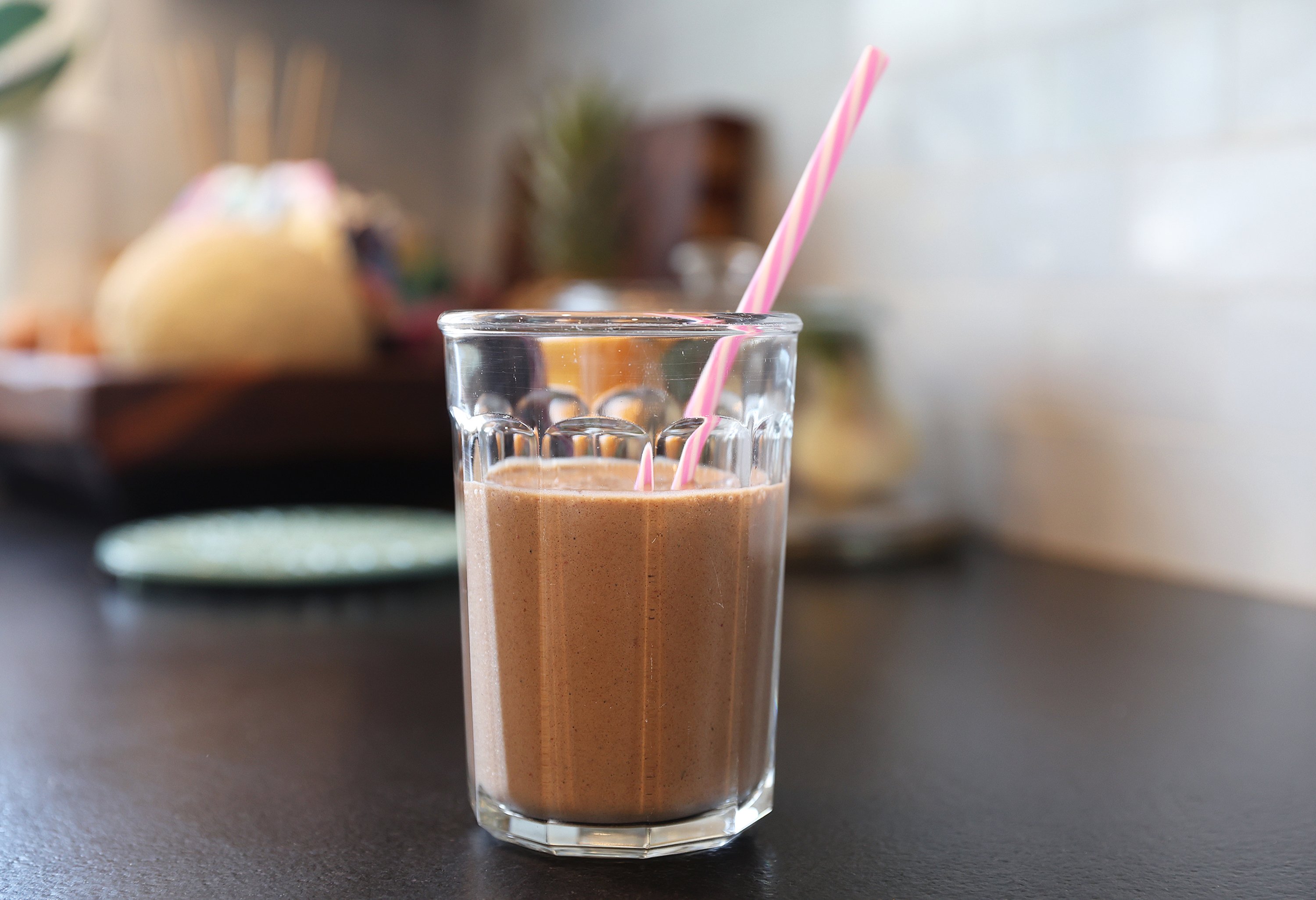
Protein also helps to manage weight and maintain muscle mass, which decreases during menopause, Kaley said via email. And fiber, which is found only in plants, can help improve gut health and control blood sugar, she said.
As good as Howe felt on her new food regimen, it was challenging to meet daily goals for protein, fiber and plant variety, she said.
Current dietary guidelines recommend 1.2 to 1.6 grams of protein daily per kilogram of body weight. For a 150-pound person, the protein target is 80-110 grams per day. A 3-ounce lean steak has 22 grams and a cup of cooked chickpeas has 14 grams.
Howe tried protein powders but often didn’t like the flavor or ingredients, she said. Eating 30 different plants per week as promoted by the American Gut Project wasn’t easy. And buying supplements separately was expensive and difficult to screen for quality and safety.
FOOD’S HEALING POWER
Howe, a branding and communications specialist, saw an opportunity and pitched the MenoPantry idea early last year to Hosmer, a friend.
“I have built my life around learning, sharing and leveraging the healing power of food,” said Hosmer, 59. “Protein, fiber and polyphenols, or super nutrients, are the pillars of health for midlife women.”
They enrolled in the Cultivator program at the Maine Center for Entrepreneurs in Portland, which helps food and beverage companies scale up with customized action plans. “They were really helpful in preparation,” Howe said.
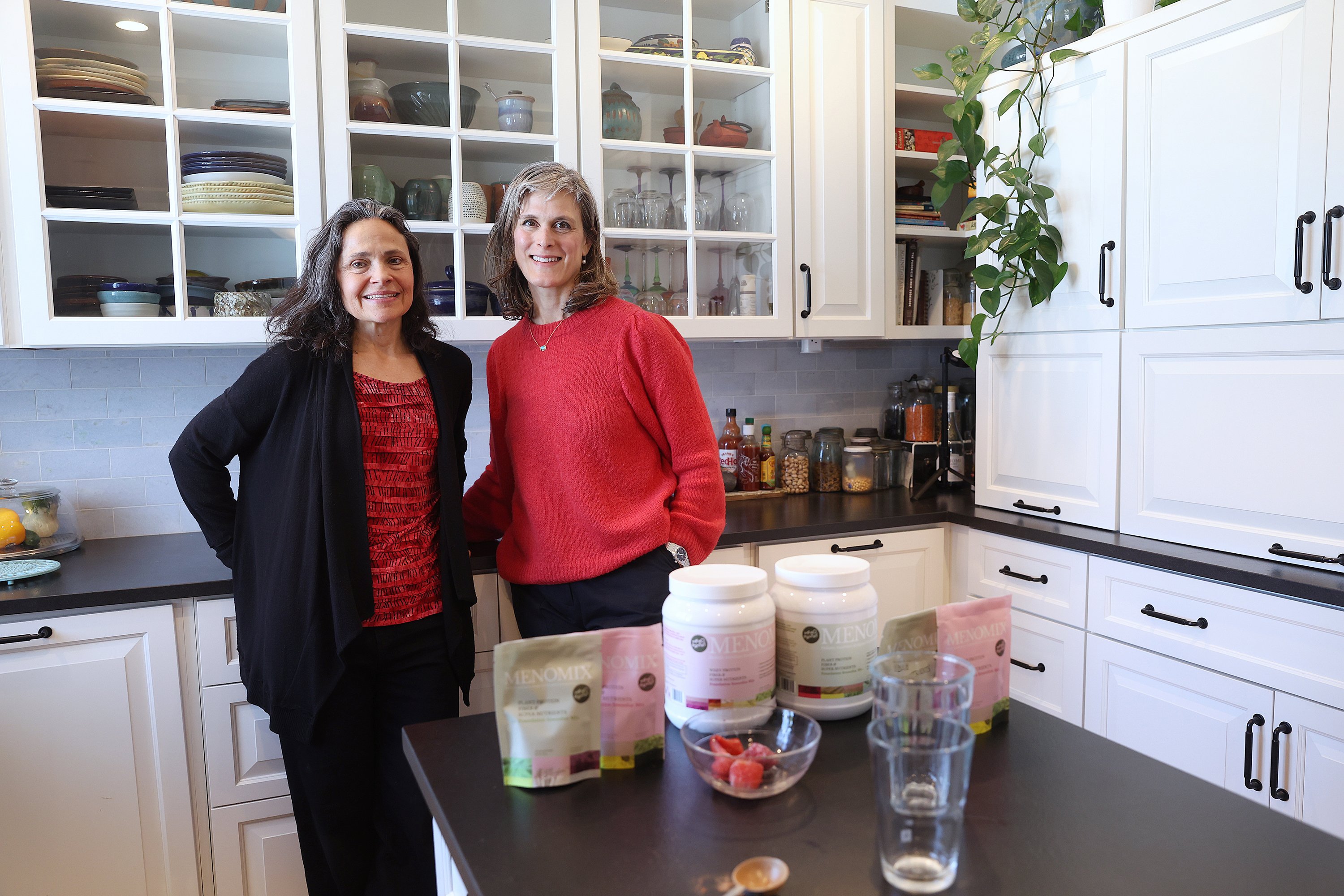
MenoMix can be blended with milk or baked into muffins and other foods. Each serving contains 21 grams of protein, 5 grams of fiber and 9 grams of antioxidant-rich micronutrients from sources such as maca root, beet root, tart cherry, green tea, ginger and cinnamon.
A 14-serving jar costs $54, or $3.86 per serving, and the product is third-party tested for quality and safety. The company recommends checking compatibility with any medications, such as hormone therapies or blood pressure medications.
The mix is produced in Georgia because they couldn’t find a facility in Maine that could make it, Howe said. They hope to work with Maine companies and food producers in the future to create other products, such as meal bars.
“The goal is to support systems that need support at this time in a woman’s life,” Hosmer said. “We’re trying to make it easier for people to do that.”

We invite you to add your comments. We encourage a thoughtful exchange of ideas and information on this website. By joining the conversation, you are agreeing to our commenting policy and terms of use. More information is found on our FAQs. You can update your screen name on the member's center.
Comments are managed by our staff during regular business hours Monday through Friday as well as limited hours on Saturday and Sunday. Comments held for moderation outside of those hours may take longer to approve.
Join the Conversation
Please sign into your Press Herald account to participate in conversations below. If you do not have an account, you can subscribe here. Questions? Please see our FAQs.