


A multiagency presentation before lawmakers warns of the difficulty the state will face trying to meet the needs of residents adversely affected by the spreading of sewage sludge containing forever chemicals.
PFAS

Posted inTimes Record
Brunswick pushes to curb chemical lawn treatment

After years of hearing concerns from local fishermen, Brunswick is considering a piecemeal approach to a pesticide ordinance. On March 3, the public will have a chance to voice their stance.
advertisement
Posted inMaine, Times Record
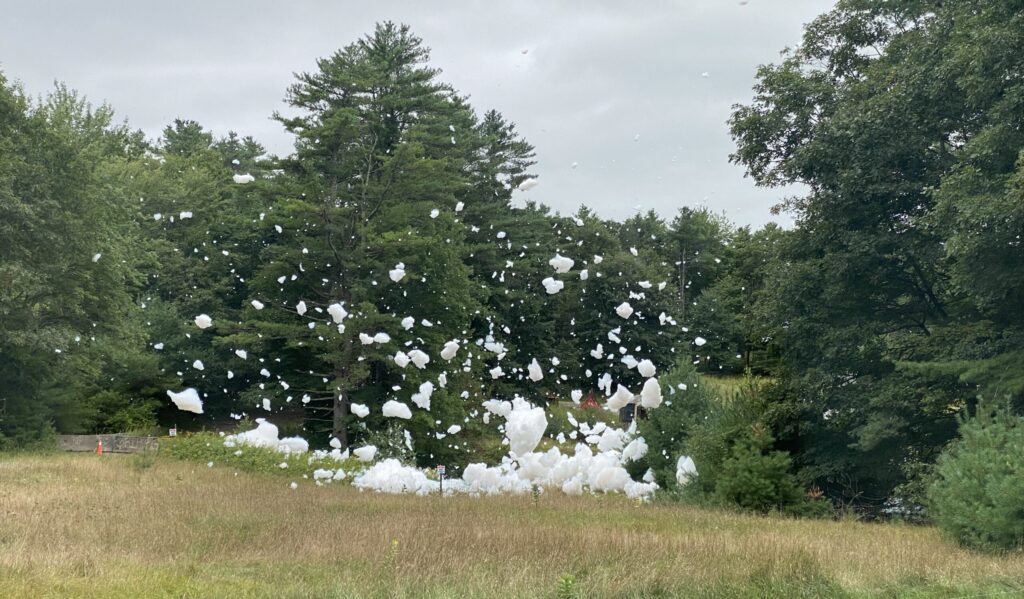
Brunswick foam spill contaminated nearby fish, DEP confirms

Results that took months to obtain show that fish in water near the Brunswick airport had high concentrations of toxic chemicals.

Posted inBusiness, Maine
A PFAS-free fire suppressant made with Maine wood could fight wildfires

The chemical-free extinguisher could move to the market — and onto firefighting airplanes — quickly. But getting it certified will take time and money.

Posted inMaine, News
PFAS contamination found on more than 100 Maine farms
The state’s ambitious multiyear investigation into PFAS contamination from sludge-based fertilizer is not yet halfway done, but costs are mounting as new federal protections arise from mounting scientific evidence of potential human health risks.

Posted inMaine, News
Forever chemicals in sludge fertilizer pose cancer risk, EPA says
Draft findings published Tuesday echo what Maine has been saying since 2022, when it became the first state to ban the use of sludge as fertilizer because of high concentrations of harmful PFAS.

Posted inTimes Record
Brunswick authority corrects toxic foam count at airport
The Midcoast Regional Redevelopment Authority corrected the foam concentrate inventory for Hangar 6 at Brunswick Executive Airport.

Posted inTimes Record
Behind the scenes of company that makes PFAS testing kits used in Brunswick
An in-depth look at Cyclopure, the Illinois-based maker of accessible PFAS testing kits.

Posted inMaine, News
PFAS in Maine can travel from stream to ski trail through snowmaking
Harmful and persistent forever chemicals that accumulate in some water bodies can be sprayed onto slopes by machine, but the extent of the risk is unknown.

Posted inHealth, Maine, Nation & World
‘Forever chemicals’ are polluting water in an unexpected way — via prescription drugs
Researchers found that chemicals, including PFAS, from pharmaceuticals are entering into wastewater — which can be used as drinking water during times of drought.