



Backyard gardener Jerry Lord of Yarmouth is skeptical of food from factories and factory farms.
“All this food is shipped in either from somewhere else in this country or somewhere outside this country,” he said. “We don’t know what’s in that food, who’s growing it and what happens to it in the shipping process. If it’s locally grown – whether it’s in your backyard or at a local farm – the better control you can have.”
Additional Photos
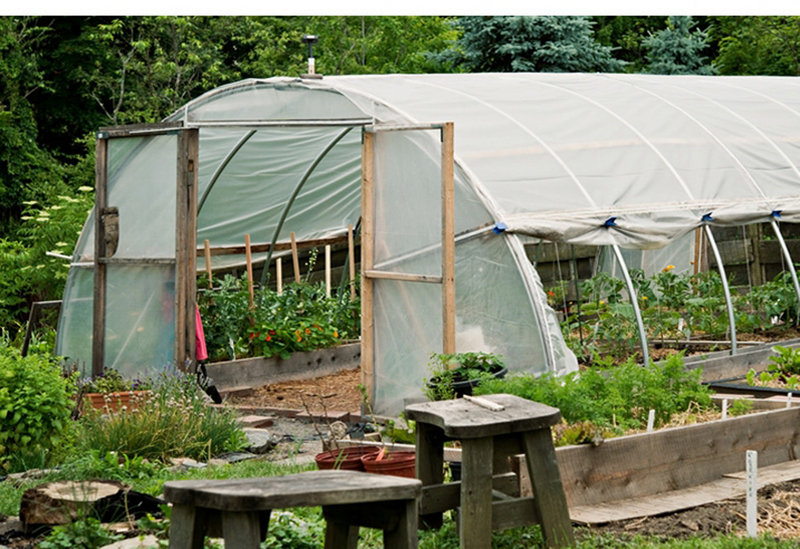
His skepticism comes from keeping abreast of the news. In just the past few weeks, Hannaford Supermarkets recalled almost 30,000 pounds of ground beef produced by Cargill (which, according to Forbes, is the largest privately held company in the U.S.) after a seven-state salmonella outbreak, and all cantaloupes from a 6,500-acre North Carolina farm due to suspected listeria contamination.
Last week, Kenosha Beef International (whose CEO is the immediate past chairman of the American Meat Institute, a lobbying group) recalled 37,600 pounds of frozen bacon cheeseburger patties sold at Walmart stores because they may contain pieces of gaskets used in the production process.
During the same time, other national firms recalled smoked salmon for potential botulism contamination, onions for possible listeria contamination, Colombian-style cheese for potential staph contamination and sausage products for possible listeria contamination.
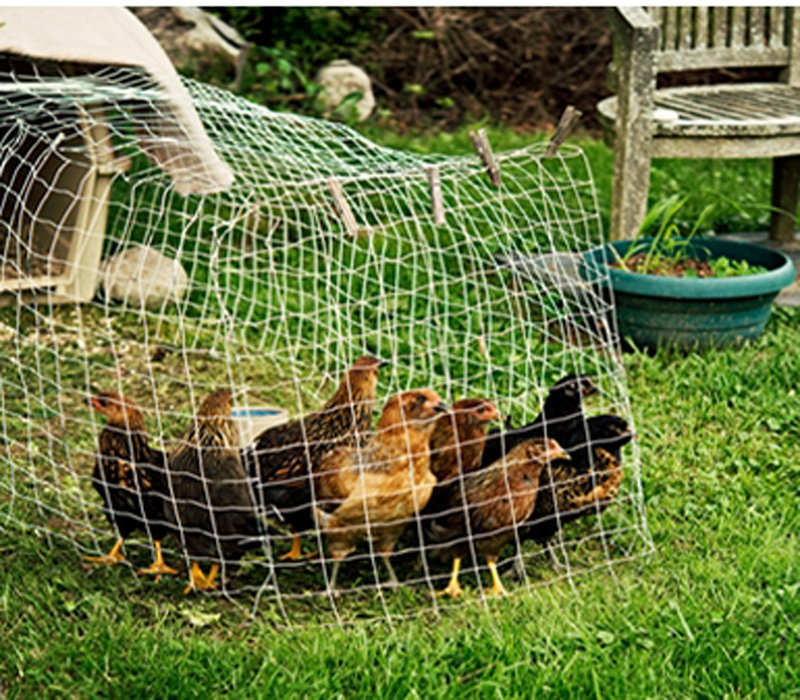
Over the years, as Lord has watched the steady stream of recalls of foods produced on an industrial scale, he realized he needed to take matters into his own hands to protect the health of his family. So seven years ago, he acquired a flock of chickens.
“There’s nothing like having fresh eggs,” Lord said.
Over the past five years, he has slowly expanded the gardens and orchards on his third-of-an-acre lot. Among his newest acquisitions are three Nubian goats, who now provide fresh milk daily.
This Saturday, participants in the fourth annual Backyard Locavore Tour will have a chance to explore Lord’s homestead and the food-producing backyards of 12 other homeowners in Brunswick, Cape Elizabeth, Falmouth, North Yarmouth, Portland and Windham. The event is sponsored by the University of Maine Cooperative Extension, and tickets for the self-guided tour cost $10 in advance and $15 the day of the event. Hundreds of people buy tickets to the tour each year.
According to Kate McCarty, one of the coordinators of the tour, the organizers look for small backyard gardens that demonstrate sustainability, self-reliance, permaculture techniques and resilience in the face of a changing world.
“People find it’s a really different type of garden tour,” McCarty said. “The ideal (tour site) that we look for is a small backyard garden that doesn’t require a lot of land, is in an urban area and is doing something different.”
Those who take the tour will not only be able to explore other people’s small-scale food production efforts, but will also get to see a food preservation demonstration, sample a recipe and learn about a particular gardening tip at each location. These lessons will be delivered by certified Master Gardeners and Master Food Preservers.
The preservation topics include such things as drying herbs, using a root cellar, making low-sugar jams and jellies, freezing fruit and canning vegetables. Tour attendees can also learn about seed saving, encouraging beneficial insects, pruning and composting.
At Deb Hopkins’ home in North Yarmouth, tour-goers will get a chance to see her large vegetable gardens and her flock of 19 Rhode Island Reds and Barred Rock hens. Many of the older chickens are friendly and can be petted by children.
An avid canner, Hopkins said one of the benefits of growing and raising your own food is the savings that show up in the weekly budget.
“For me at this point now, I buy a lot less produce,” Hopkins said. “It definitely does help with your grocery bills. To me, it’s such a wonderful achievement that you can grow what you eat. The other part I think is great is you know what you’re eating.”
Participants start the tour at the Cooperative Extension office in Falmouth, where they pick up tickets, learn about hot water bath canning for high-acid foods, and sample a low-sugar blueberry jam.
At Lord’s property in Yarmouth, he’ll be demonstrating what you need to do to raise laying hens and how you can add perennial berry plants to your garden.
His garden is currently home to ever-bearing strawberries (which he grows on a shed roof); high- and low-bush blueberries; elderberries; beach plums; serviceberries (also known as saskatoons); grapes; hazelnuts; peach, apple and cherry trees; blackberries; raspberries; high-bush cranberries and goji berries.
The chickens and goats both consume weeds pulled from the gardens. Fallen leaves are ground up and used as bedding for the animals, and the used bedding is composted and then becomes fertilizer for the gardens. Nothing goes to waste.
“I think a garden like this is going to become the norm down the road,” Lord said. “Both economically and also health-wise.”
Staff Writer Avery Yale Kamila can be contacted at 791-6297 or at: akamila@pressherald.com
Twitter: AveryYaleKamila
Send questions/comments to the editors.

Success. Please wait for the page to reload. If the page does not reload within 5 seconds, please refresh the page.
Enter your email and password to access comments.
Hi, to comment on stories you must . This profile is in addition to your subscription and website login.
Already have a commenting profile? .
Invalid username/password.
Please check your email to confirm and complete your registration.
Only subscribers are eligible to post comments. Please subscribe or login first for digital access. Here’s why.
Use the form below to reset your password. When you've submitted your account email, we will send an email with a reset code.