



NORTHPORT, Maine — Officials in a Maine town are warning residents to be on the lookout for a noxious plant that can cause painful blisters or even blindness if it comes into contact with skin or eyes.
Last summer, Northport identified and eliminated two giant hogweeds that set down roots. Now residents are on alert for the giant plant with small white flowers.
Additional Photos
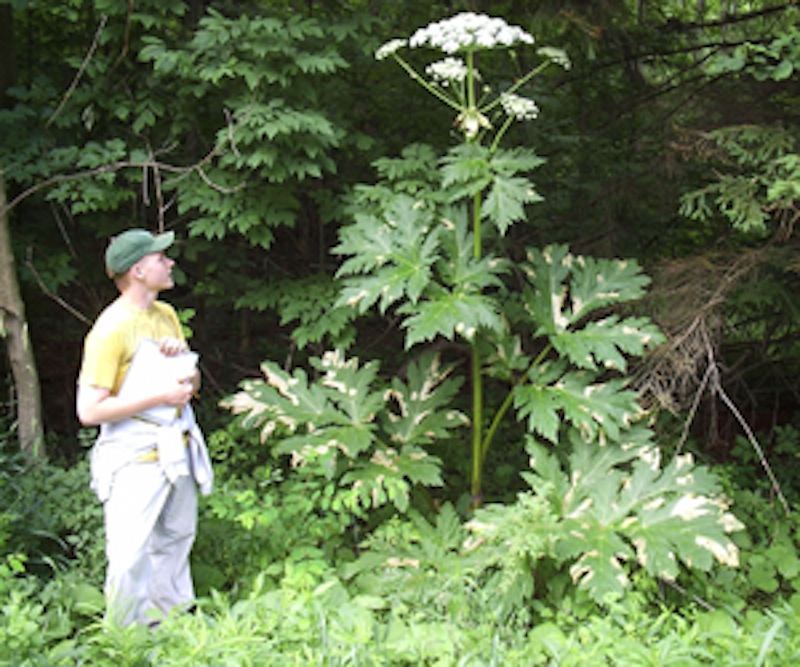
Native to Asia, the weed can grow to 14 feet tall and the sap causes blisters and the potential for blindness if it comes into contact with the eye.
The Bangor Daily News says the danger is real enough that the Maine Department of Agriculture alerted Waldo County General Hospital last summer. Last year, the department documented at least 20 sites in Maine with giant hogweed.
Copy the Story Link
Send questions/comments to the editors.

Success. Please wait for the page to reload. If the page does not reload within 5 seconds, please refresh the page.
Enter your email and password to access comments.
Hi, to comment on stories you must . This profile is in addition to your subscription and website login.
Already have a commenting profile? .
Invalid username/password.
Please check your email to confirm and complete your registration.
Only subscribers are eligible to post comments. Please subscribe or login first for digital access. Here’s why.
Use the form below to reset your password. When you've submitted your account email, we will send an email with a reset code.