



We can all agree that Portland is a great place to live.
We have great art, great theater, great music, great food and mostly great architecture.
Additional Photos
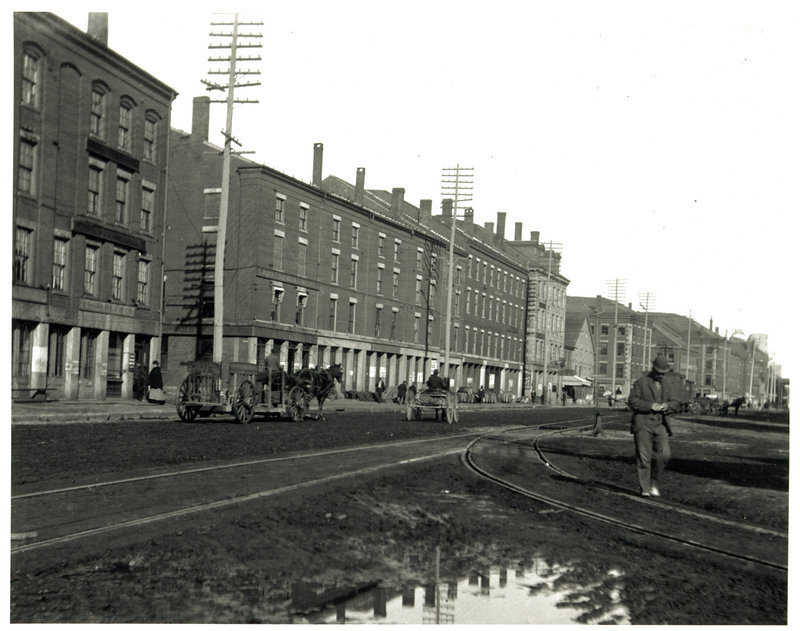
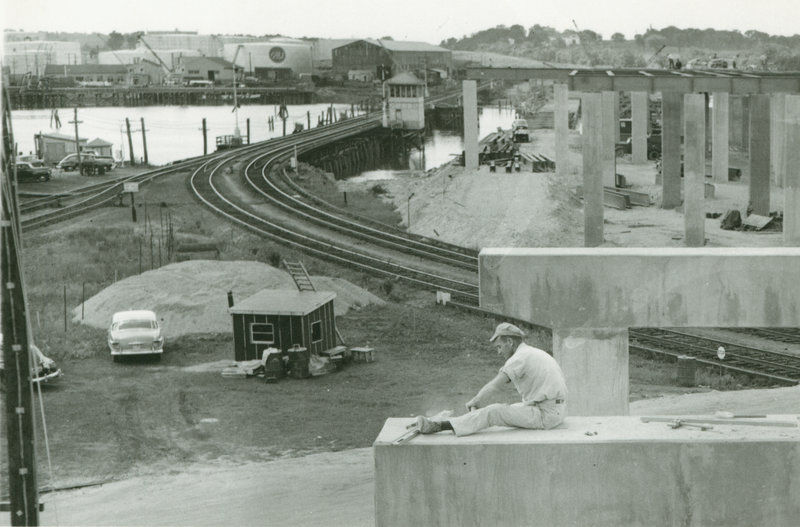
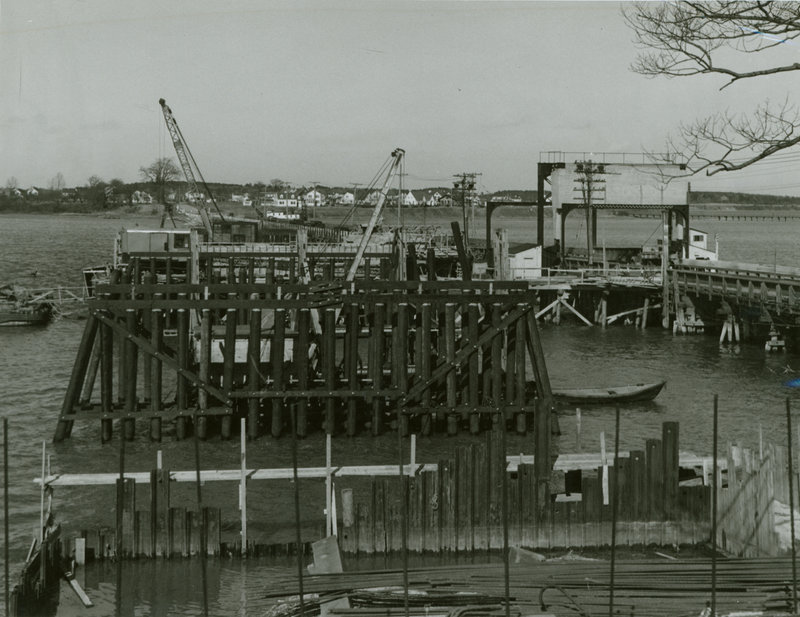
It’s a city with a lot of history and a city that understands its history in the context of the present day.
Two upcoming series at Maine Historical Society aim to expand our understanding of the past while accenting history’s role in shaping the city’s future.
The first, which kicks off Tuesday and runs through May, is offered in partnership with Greater Portland Landmarks. It immerses participants in historic and contemporary issues related to the landscape of Greater Portland through case studies of key sites that are the subject of either current development or discussion about their future.
Those sites include Fort Williams Park at Cape Elizabeth, the Franklin and Spring street corridors, the replacement of the Veterans and Martin’s Point bridges, and the waterfront.
The second series is a little more personal. It runs from March to May, and will honor Maine Historical’s outgoing executive director, Richard D’Abate, who will retire in May after 16 years on the job.
“We could think of no better way to send Richard off than with a lecture series that recognizes the spirit of his intellect and his contributions to Maine’s cultural life,” said Steve Bromage, assistant director of the historical society.
“Richard is, in large part, defined by his creative, literary and artistic interests, which are far-reaching, broadly cultural and hardly limited to history in a parochial sense. That fact has been essential to the approach he has taken to his work here, and this series is designed to get at that.”
The site-specific series, “(Re) Designing the Greater Portland Landscape: Issues in Contemporary Design and Development,” begins Tuesday with a discussion that focuses on Fort Williams. Terrence DeWan, a landscape architect, will moderate the discussion.
Fort Williams is home to Portland Head Light, one of the most famous and most-visited lighthouses in North America. In addition to the lighthouse and its tourist draw, the park remains one of Maine’s most heavily-used recreation areas. There are plans to develop an arboretum, and discussion is ongoing about the treatment of the park’s historic Goddard Mansion ruins.
The park is stressed, and its future is hardly certain. Fort Williams is expensive for the town of Cape Elizabeth to maintain. Town leaders have spent years exploring ways to capitalize on the park to pay for its upkeep and improvements. That discussion hinges on a balance between open access and maintaining the park’s physical attributes.
Bromage hopes the Tuesday-night discussion offers perspective, insight and context. It begins at 7 p.m. at Maine Historical Society. Admission is a suggested donation of $10.
Each program will include a moderator and presentation from three stakeholders, as well as discussion with the audience, Bromage said.
“I think it will be a great way to get people up to speed on various projects under way, and thinking about the landscape,” he said
The rest of the schedule is as follows:
• “Downtown Corridors: Franklin and Spring Streets,” March 20, with Royal River Conservation Trust executive director Alan Stearns as moderator.
• “Gateways to Portland: Rebuilding Veterans and Martin’s Point Bridges,” April 24, with Sally Oldham of Greater Portland Landmarks as moderator.
• “On the Waterfront: Heritage, Re-Use, and Economic Development,” May 15, with Portland Mayor Michael Brennan as moderator.
The D’Abate series begins at noon March 6 and will feature Maine poets Wesley McNair and Betsy Sholl reading their work. The program, “Longfellow’s Shadows,” accents the historical society’s embrace of its Longfellow legacy. D’Abate is a poet himself, and literature has always guided his intellectual thinking, Bromage said.
The series continues March 15 with writer Nicholson Baker hosting a discussion about the importance of keeping old things safe in a digital age. Why do we save physical things, such as newspapers, when we can access the information in a digital format?
Other speakers include state historian Earle G. Shettleworth Jr. and William Bunting (April 3), photographer Rosamond Purcell (April 5), history professors Alan Taylor and Richard W. Judd (April 19 and May 10, respectively), and anthropologists Harald E.L. Prins and Bunny McBride (May 24).
Staff Writer Bob Keyes can be contacted at 791-6457 or:
bkeyes@pressherald.com
Twitter: pphbkeyes
Copy the Story Link
Send questions/comments to the editors.

Success. Please wait for the page to reload. If the page does not reload within 5 seconds, please refresh the page.
Enter your email and password to access comments.
Hi, to comment on stories you must . This profile is in addition to your subscription and website login.
Already have a commenting profile? .
Invalid username/password.
Please check your email to confirm and complete your registration.
Only subscribers are eligible to post comments. Please subscribe or login first for digital access. Here’s why.
Use the form below to reset your password. When you've submitted your account email, we will send an email with a reset code.