




The long-simmering debate over the future of Maine’s northern woodlands is about to move back to the front burner.
A group called the Keeping Maine’s Forests steering committee is working on a proposal to protect millions of acres of the working forest from further development. The committee is close to having a final plan and will deliver it to federal officials as early as this month.
Additional Photos
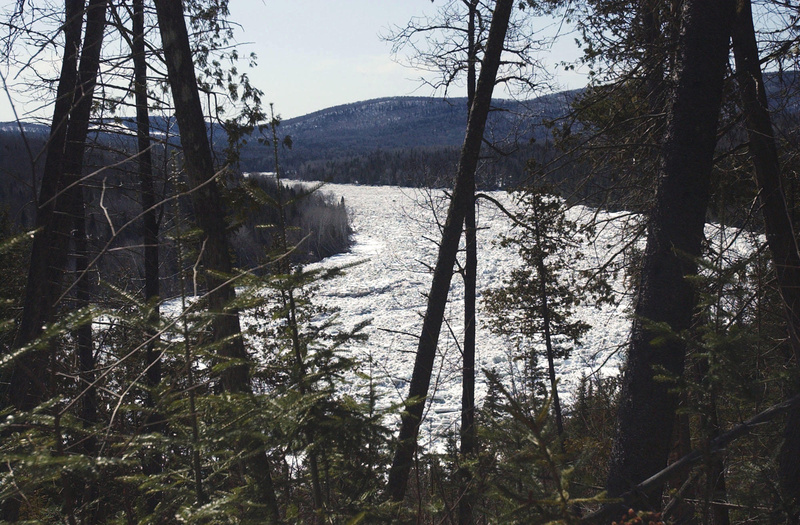
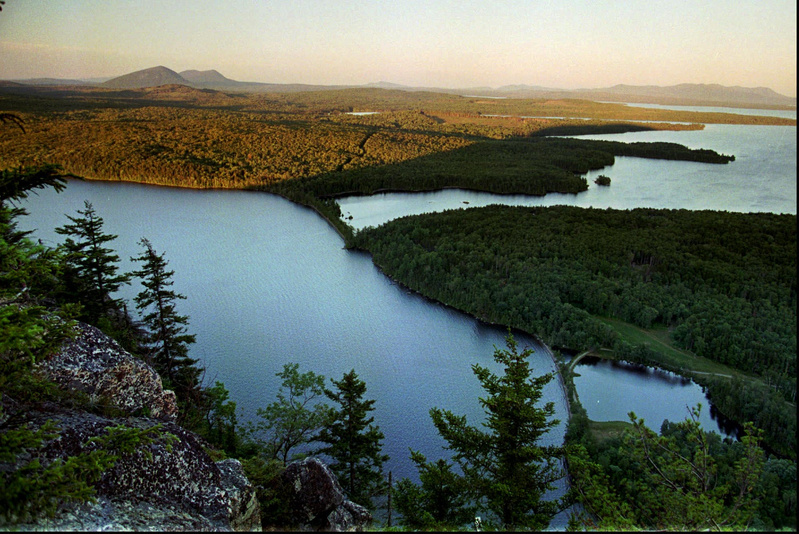
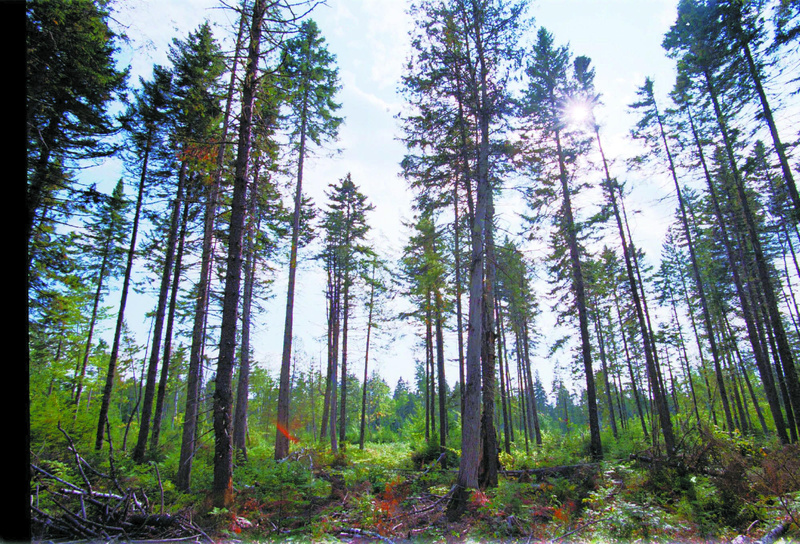
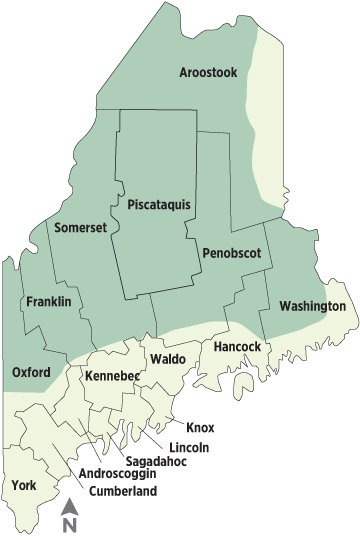
People already are lining up to oppose it with competing plans for the more than 10 million acres known as Maine’s North Woods. It’s the largest unfragmented forest east of the Mississippi River, with most of it in private hands.
The steering committee grew out of an effort, organized by state officials, to get the traditionally warring factions of landowners such as Katahdin Timberlands, environmental groups such as Maine Audubon, outdoor recreational organizations such as the Appalachian Mountain Club, and members of the forest products sector such as the Forest Products Council, to forge a plan that would satisfy all of their interests.
“The fact that we got them sitting down at one table is unprecedented,” said Alec Giffen, director of the Maine Forest Service.
The group came up with a broad vision that would keep the land as working forest by buying conservation easements to allow public access and by restricting use of the land for other development.
The idea was based on a decade-long effort that increased the number of acres protected by easement from 5 percent to 18 percent statewide.
The steering committee rejected the idea of turning any of the land into a national forest or park, to win the support of landowners and others who opposed the restrictions that would impose.
The group peddled its idea to U.S. Interior Secretary Ken Salazar during his visit last summer and during follow-up visits with Salazar and Agriculture Secretary Tom Vilsack, who asked the group to come up with a solid pilot project.
The group is now finalizing the proposal for four demonstration projects that would focus on about 4 million to 5 million acres, starting with the area Down East between the Penobscot and St. Croix rivers. It has already identified some landowners who are ready to sell their development rights.
But not everyone was asked to participate, including Jym St. Pierre, Maine director of Restore: The North Woods, a longtime advocate for a national park on 3.2 million acres of the forest.
St. Pierre said Ken Burns’ PBS television series “The National Parks: America’s Best Idea,” which premiered in September to a standing-room-only crowd at Merrill Auditorium in Portland, has renewed Mainers’ interest in a national park. He has been asked to speak to recreational clubs such as the Maine Outdoor Adventure Group and its 1,000 members.
He said the series, which recently re-aired on the Maine Public Broadcasting Network, opened people’s eyes to the history of national parks and opposition to their creation.
St. Pierre points to polls by the Portland firm Critical Insights that consistently show most Maine residents strongly supporting the creation of more public landownership in the northern woods.
He also points to the state Land Use Regulation Commission’s vote in September to approve Plum Creek Timber Co.’s plan to create 821 house lots and build two resorts with 1,200 housing units at Big Moose Mountain and Lily Bay.
“It energized people and demonstrated that you can’t rely on LURC and other government agencies to protect the wilderness,” St. Pierre said.
Other groups are also preparing to fight the steering committee’s idea.
Eugene Conlogue, Millinocket’s town manager and vice president of the Maine Woods Coalition, a group that promotes the common interests of local, recreational, commercial and industrial users of the northern forest, said his group was never asked to be part of the steering committee.
“It was a very hidden process,” he said.
Conlogue called the steering committee’s proposal a back-door attempt to create a national park, which his group adamantly opposes. He said if uses are restricted by conservation easements, the land will become less valuable and owners will be more willing to sell it to the federal government.
“We have no reason to believe anything they are saying about this,” Conlogue said. His group will send letters of protest to state and federal officials, he said.
The steering committee has kept its proposal largely under wraps until it can get all of its members to agree to it. Whether that will happen is uncertain. Several members of the group, including Giffen of the Maine Forest Service, said negotiations are so sensitive that any newspaper coverage could cause them to fall apart.
“This is very, very tender,” he said.
Once the proposal is complete, Giffen said, the group will campaign to gain public support for it.
Jon Lund, publisher of the Maine Sportsman magazine, which has 20,000 subscribers, recently editorialized in favor of a national park feasibility study.
Lund said a national park would attract visitors to Maine. He points to former Gov. Angus King, who strenuously opposed a national park, then after leaving office went on a months-long family tour of the country and its national parks.
“I am at a loss as to why the political leadership seems so adamantly opposed to it. We should talk about it,” Lund said.
Staff Writer Beth Quimby can be contacted at 791-6363 or at: bquimby@pressherald.com
Send questions/comments to the editors.

Success. Please wait for the page to reload. If the page does not reload within 5 seconds, please refresh the page.
Enter your email and password to access comments.
Hi, to comment on stories you must . This profile is in addition to your subscription and website login.
Already have a commenting profile? .
Invalid username/password.
Please check your email to confirm and complete your registration.
Only subscribers are eligible to post comments. Please subscribe or login first for digital access. Here’s why.
Use the form below to reset your password. When you've submitted your account email, we will send an email with a reset code.