

To explain the dilemma of setting menu prices in the current economic climate, Isaac MacDougal points to limes.
“A couple months ago, a case of limes was $50,” said MacDougal, founder of Cocktail Mary and co-owner of Supper Club Cocktail Lounge. Now, because of drought and supply chain kinks, it’s over $100. He figures when you factor in the labor cost to squeeze big batches, “the lime juice in a cocktail is more expensive, a lot of time, than the spirit that goes into it.”
But soaring food costs are just one piece of the puzzle for restaurant and bar owners struggling to keep their menu prices in check. Since the pandemic, they’ve been at the mercy of upsurges to practically all of their costs, including labor, rent, utilities, taxes, insurance, swipe fees and packaging.
Portland’s minimum wage, which increased this year to $16.75 ($8.38 for tipped wage workers), is a substantial factor in labor costs, though many restaurants had already been paying line cooks $21-$25 or more.
Portland’s independent full-service restaurant menu prices (most dinner entrées under $40, apps under $20) generally fall in line with other locations on Food & Wine magazine’s recent list of best U.S. small cities for food and drink. But you can find lower prices in, say, New Orleans, where the minimum wage is only $7.25, and $2.13 for tipped workers.
Last year, tariffs sparked major problems for restaurants relying on imported goods. Now, the war in Iran adds fuel to the fire — climbing oil prices will raise the cost of nearly all goods, edible or not.
“Everyone who’s working on pricing their menus, they’re spending a lot of time and energy crunching numbers in Excel docs and looking at their margins on a daily or weekly basis to make sure they’re meeting their revenue needs,” MacDougal said. “Prices are on the high side because they have to be. There’s no way for us not to pass (cost increases) along.”

CUSTOMERS CUTTING BACK
Menu prices at restaurants nationwide have risen 33% on average since February 2020, according to Chad Moutray, chief economist for the National Restaurant Association. Before the pandemic, a typical six-year menu price increase would be around 10%. In the last six years, the cost of food and labor jumped about 35%, while average restaurant profit margins dropped from 4% to less than 2.8%.
Most worrisome of all, the National Restaurant Association’s annual survey of restaurant operators found that 42% of respondents didn’t turn a profit last year. “That speaks to how difficult the math is,” Moutray said.
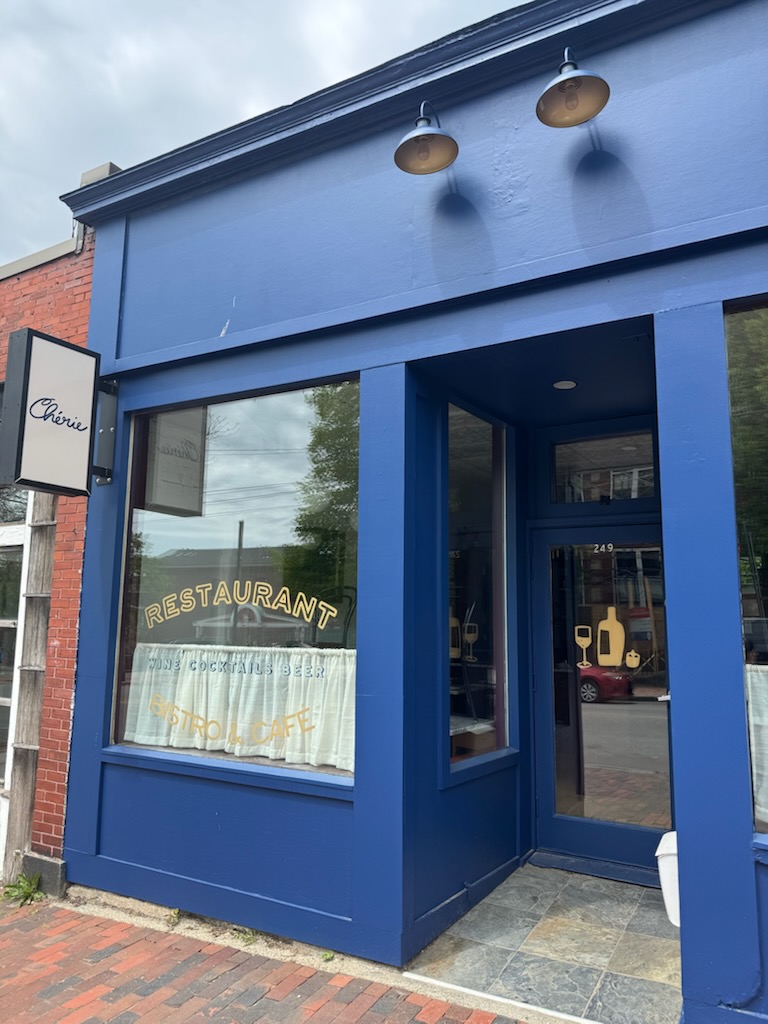
Many local restaurateurs say Portland’s menus are priced appropriately, given the circumstances — and level of quality. “There’s never been a meal I’ve had in Portland where I’ve balked at my check,” said Quinn Williams, who moved here from Brooklyn, New York, two years ago with his partner, Melody Medina; they recently opened the French bistro Chérie on Congress Street. “You get what you pay for, and what you get here is great. For a city that’s acclaimed as a great food city, I think it’s on the more affordable end.”
Still, customers are often frustrated by the prices. “I feel like every time I go out in Portland, I spend at least 100 bucks for one person, and two people would be like $150 to $200,” said Julia Landry of Westbrook. She understands restaurant owners are contending with higher costs. But much as she loves the local dining scene, she goes out less often these days, and watches her spending more closely when she does.
“A lot of people don’t have the disposable income they once did to go out to eat as often as they used to,” said Old Port restaurateur Josh Miranda, who counts Blyth & Burrows, Off Track Pizza, Papi and Via Vecchia among his properties. “Because of that, you’re going to have to give them value for their experience.”
Kathleen Pierce, director of membership and communications for HospitalityMaine, pointed out that Portland’s seasonal nature plays a major role in prices. “Operators here are navigating the same pressures as chefs in Boston or New York: food costs, labor, real estate — and they’re doing it in a market that swings hard between seasons. Summer is booming, but winter is a different story, and menu prices have to account for both.”
A PRECARIOUS BALANCE
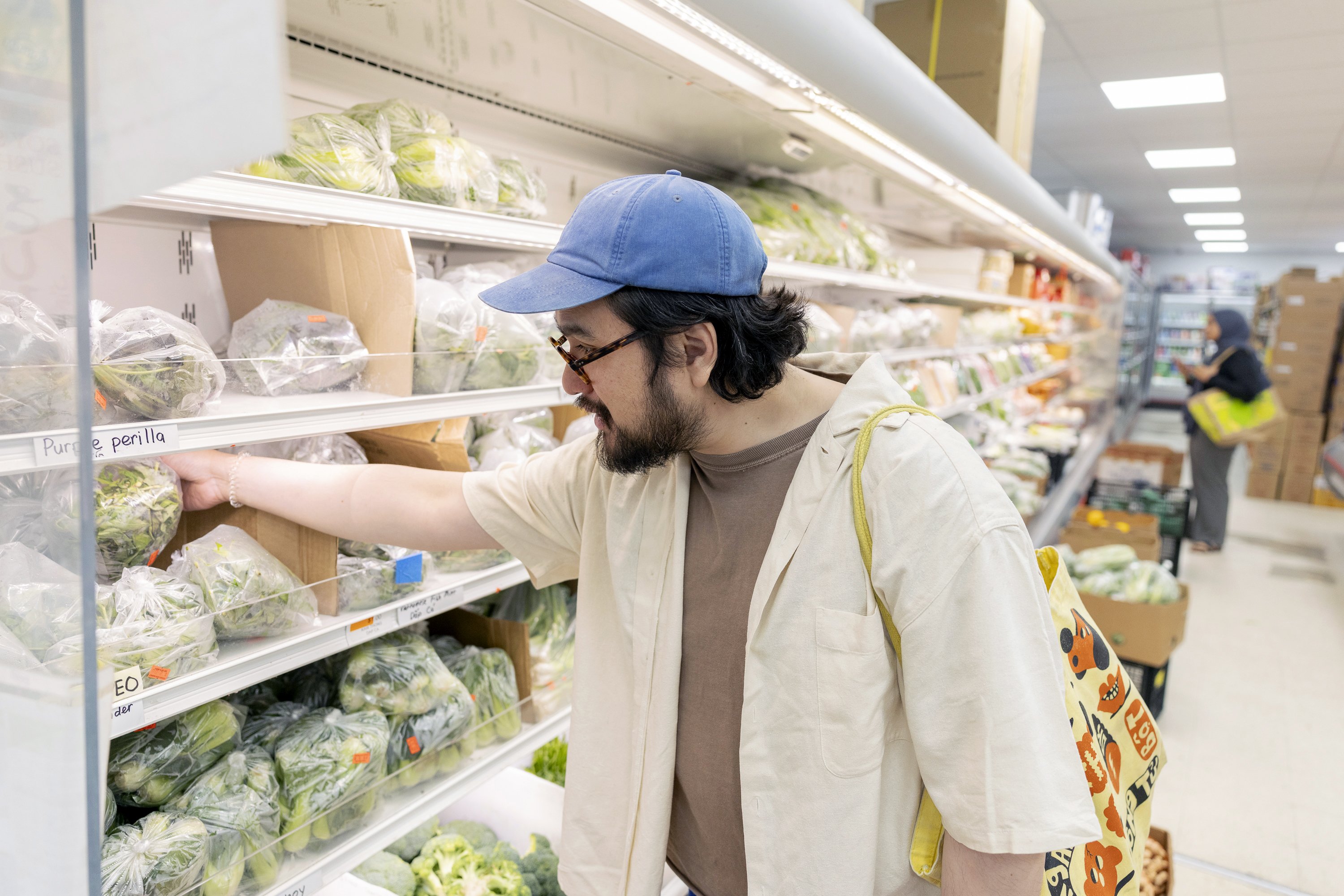
Like MacDougal and his limes, Cong Tu Bot chef and co-owner Vien Dobui is vexed lately by the price of his staple Vietnamese fish sauce, which has been hit hard by tariffs. His restaurant goes through 24 bottles of Three Crabs brand sauce a week. It now sells for over $11 a bottle, up more than 50% from its pre-tariff rate.
“If you went to an Italian restaurant and told them, ‘OK, your olive oil is going to jump up 50%,’ their prices would reflect that,” Dobui said. Likewise, the fresh herbs he serves alongside noodle soups went for $7 a pound when Cong Tu Bot opened in 2017. In 2023, they were $12 a pound. Now they’re as much as $16 a pound.
A James Beard-nominated chef, Dobui knows that skeptics have long thought Cong Tu Bot is too pricey. He’s also aware that bowls of pho around Portland often sell for about $18, while his signature chicken pho is now $26. He suspects mom-and-pop Vietnamese restaurants may be undercharging, but recently added a $17 noodle soup to his menu “to give people the chance to spend less with us.”
Cong Tu Bot unionized in 2023, the first independent restaurant in Maine to do so in 40 years. Dobui and his partner, Jessica Sheahan, encouraged and supported the effort. Starting pay at Cong Tu Bot for all employees is $16 an hour, while floor staff at nonunionized Portland restaurants make a tipped base wage about half that. Because all hourly staffers help deliver dishes at Cong Tu Bot, they all share the tip pool, adding $7-$15 on top of their hourly wage, depending on the season.
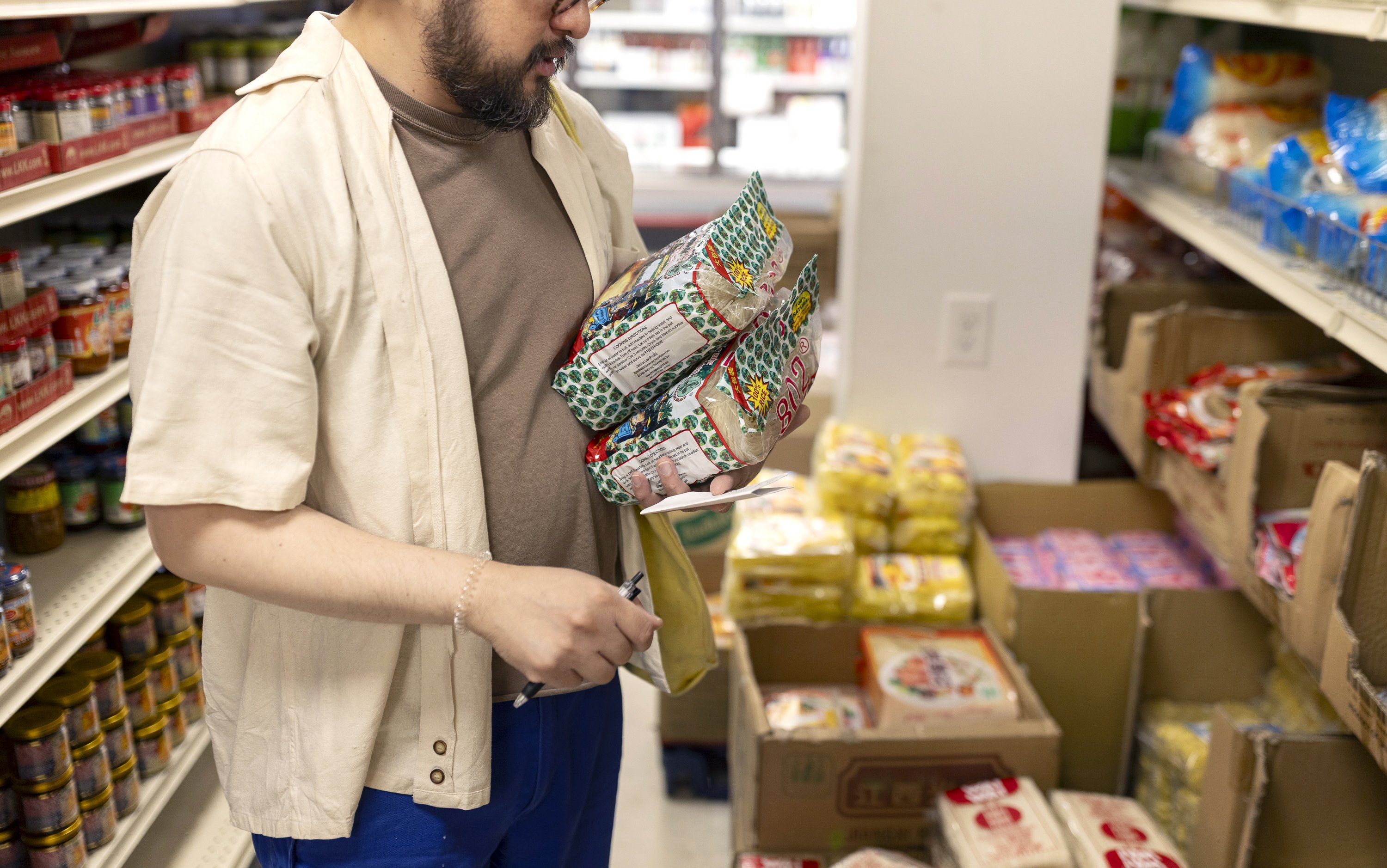
So how does Dobui offset labor costs, which are almost 50% of his operating cost? “Number one, we don’t make a lot of money from the restaurant. We’ve just kind of accepted that,” he said. By carefully sourcing and scrupulously avoiding any waste, they also keep food costs down to a remarkably low 22%-26%, below the standard range of 28%-35%. But price spikes to staple ingredients threaten that precarious balance.
“If I adjusted prices based on what we paid, then we’d be adjusting every couple of months,” he said. “It’s very challenging right now.”
Salvatore’s Hoagie Shop on Forest Avenue sells hefty sandwiches for $17-$26. Co-owner Owen Price defends the higher prices: They employ a full-time baker to make hoagie rolls daily, and use top-quality ingredients, many imported from Italy. Their $25 cheesesteak uses about a full pound of pricey ribeye.
“If you look at a menu and you’re like, ‘Oh my god, the prices are so high,’ you’ve got to think about the wages that are being paid, the cost of goods, the taxes,” he said. Salvatore’s has raised sandwich prices in response to growing food costs every year since 2023, when it launched as a delivery service. “There’s a lot that goes into it that I think people don’t really get at first glance. Everything goes up in price, and then we have to charge a little bit more.”
THE $40 THRESHOLD
Labor costs have been problematic for restaurateurs since the pandemic, when a reluctant workforce had to be lured back with higher wages. Some restaurateurs concede the wage increases were long overdue, and many say for talented staffers, they’re well earned. But they still threaten the bottom line.
“I was taught for years that if you kept labor under 30% and the cost of goods under 30%, and if you weren’t paying too crazy of a rent, you’d make money, or at least break even,” said Miranda. Since the pandemic, his labor cost has been at about 40%.
To make the numbers work with the rising cost of goods, Via Vecchia increased the price for most of their large plates and pastas by $1 last year, putting them in the $28-$38 range.
“We do get the occasional review commenting it’s pricey, but it’s up to the customer to decide whether it’s worth it,” Miranda said. Via Vecchia’s labor-intensive, handmade pastas require both a morning and an evening prep crew in the summer. “We think there’s value there, and hopefully others will agree.”
Menu prices alone don’t always offer an apples-to-apples value comparison. On a recent trip to New York City, Miranda ordered a plate of pasta for $34, the same price he charges for a similar dish at his own Italian restaurant. “But when the pasta came out, the portion was maybe a third of the size of the dishes I give at Via Vecchia,” he said. “Lots of people don’t finish my pasta dishes. I’m charging $34, I’m going to make sure you get more than enough.”
Portland restaurateurs like Miranda strive to keep entrees under $40. The $40 mark is like an invisible threshold that most diners — unless they’re out for a special evening at a fine dining restaurant like Twelve or Solo Italiano — seem loath to cross.
“The difference between $39 and $40, even though it’s only a dollar apart, looks bigger than it is,” said Williams. He and Medina kept that difference front-of-mind as they crafted their opening menu at Chérie.
They launched in the former Quanto Basta pizzeria space, and wanted to continue its legacy as a neighborhood go-to. “Quanto Basta was a place people could go once a week or once a month and have a nice meal and not have to worry about their wallet,” Williams said. “Our biggest concern is trying to keep that neighborhood feel, which inevitably means the menu needs to be a little more affordable.”
Their menu is intentionally small, to avoid waste and allow for frequent changes. Williams and Medina said they’re paying their staff well, but hiring fewer employees. They’re also taking on more work themselves — doing the bulk of kitchen prep work and tag-teaming the role of front-of-house manager — to keep labor costs in line.
“To be honest, labor cost is actually the killer of most restaurants,” Williams said.
‘ONE PROBLEM AFTER ANOTHER’
Restaurant and bar operators don’t have many appealing options to avoid raising menu prices. Miranda said he’s detected an instance or two around town of shrinkflation, smaller portions being offered for the usual price. But the risky gambit might ultimately repel the customers who notice.
Creative chefs can sometimes turn less expensive proteins and produce into compelling, profitable dishes, without relying on premium ingredients. It’s no accident that the humble cabbage is the new “it” vegetable nationwide, and likely only a matter of time before its price shoots up, too.
MacDougal is determined to make the recently relocated Cocktail Mary a value proposition from the get-go, keeping cocktails at just $13, including tax, at least a couple dollars cheaper than most drinks around town. He’s devised simple recipes that don’t depend on premium ingredients, and he hopes $6.50 happy hour drink specials will boost sales volume.
To entice more customers, Miranda lowered prices for large plates at Papi by $2-$3 last winter. Off Track recently changed its $24, 18-inch cheese pizza to a 16-inch pie for $16. He’s not sure just yet how effective the measures have been.
MacDougal tried lowering menu prices at the original Cocktail Mary a few years ago to help his customers stretch their dollars. “But people don’t notice when you lower prices,” he said. “They only notice when you raise them. So to a certain extent, it’s a thankless task.”
Moutray of the National Restaurant Association said to forestall more menu price hikes, restaurant and bar operators can also try using technology to assist with work, finding cheaper — but still good quality — suppliers, and fixing operational efficiencies. Yet there are no quick fixes, and market forces will remain beyond their control.
“Like with a lot of businesses, restaurant operators have just played Whack-a-Mole with one problem after another,” Moutray said. “It seems like every time they get past one, there’s another one waiting around the corner.”

We invite you to add your comments. We encourage a thoughtful exchange of ideas and information on this website. By joining the conversation, you are agreeing to our commenting policy and terms of use. More information is found on our FAQs. You can update your screen name on the member's center.
Comments are managed by our staff during regular business hours Monday through Friday as well as limited hours on Saturday and Sunday. Comments held for moderation outside of those hours may take longer to approve.
Join the Conversation
Please sign into your Press Herald account to participate in conversations below. If you do not have an account, you can subscribe here. Questions? Please see our FAQs.