



Local food is hot, hot, hot, but food with regional ties or the wherewithal to thrive in a specific place doesn’t get as much hype.
This is why David Buchanan of Portland decided to pen “Taste, Memory: Forgotten Foods, Lost Flavors, and Why They Matter.”
Additional Photos
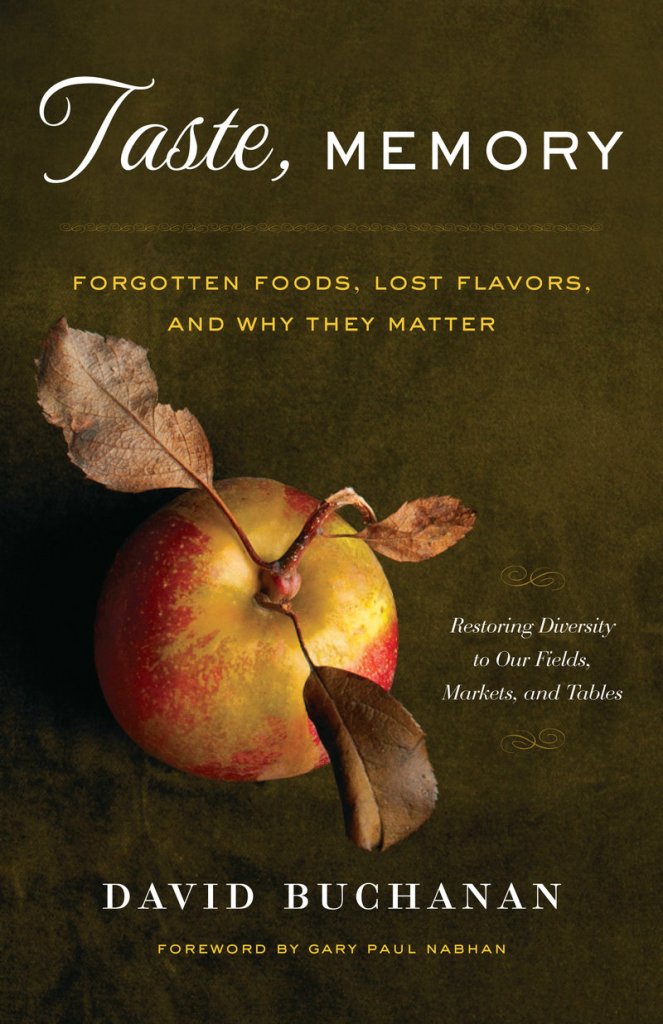
Published by Chelsea Green and due to hit bookstores Nov. 5, the eloquently crafted book is part memoir, part food history and all delicious romp through the modern day renaissance of agricultural creativity and culinary adventurism sweeping the nation. Buchanan takes readers along with him as he searches out a diversity of fruit and vegetable varieties beyond those that dominate supermarket displays. It’s a tale bound to appeal to those with an appetite for alternative food and farming systems.
“There’s been so much attention given to local foods in the last few years, but I thought regionalism and biodiversity hadn’t been enough a part of the conversation,” said Buchanan, who will be heading out on a book and speaking tour this winter, with stops scheduled in New Orleans, Washington, D.C. and Arizona. “If you’re going to go to the trouble to grow something in as a difficult a place as New England, you should grow something that speaks to that place.”
Or as he writes in the book: “Relying on a handful of standardized varieties to deal with every culinary purpose, and to meet endless subtle variations in climate and growing conditions, is a diminished and precarious way to raise food.”
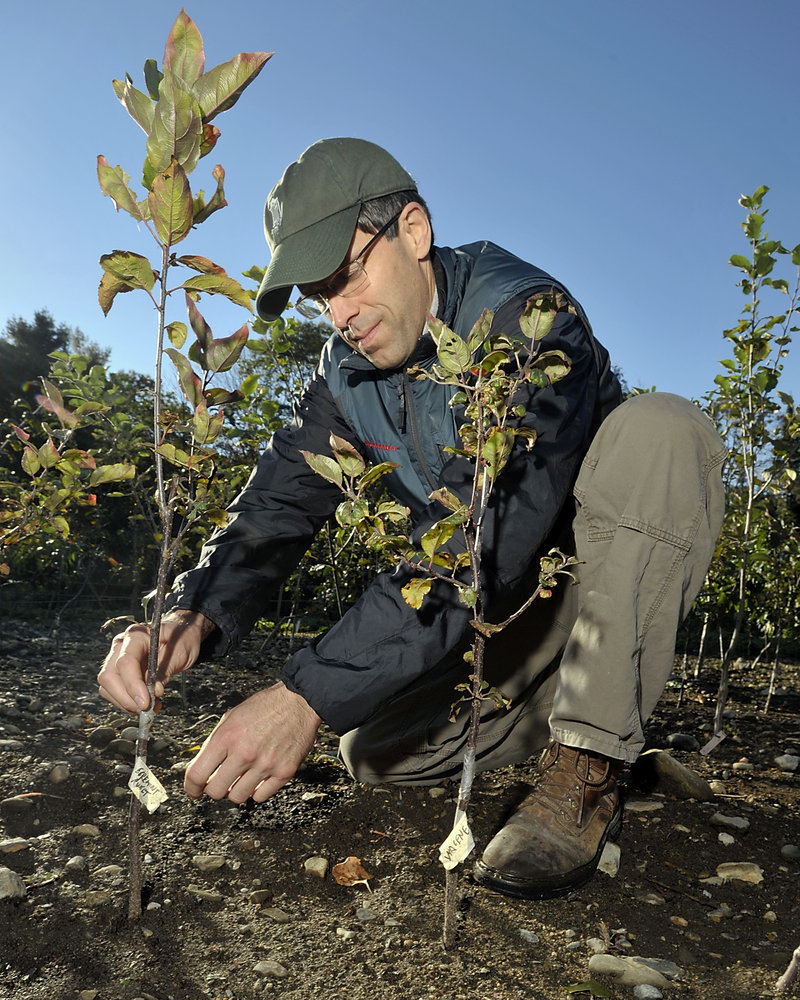
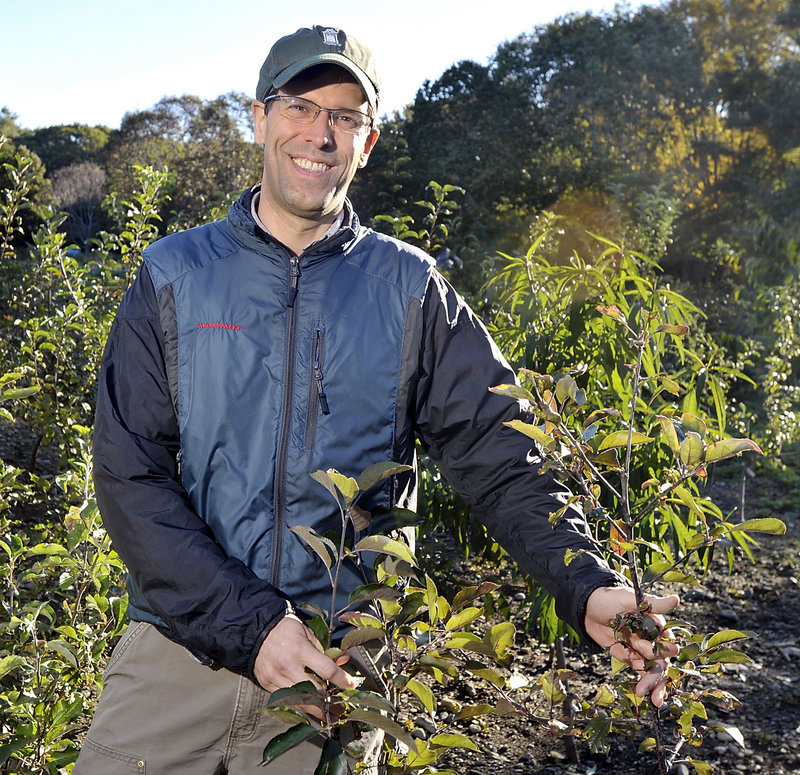
His particular interest is historical varieties of fruit trees and berry bushes adapted to Maine and the Northeast. Many in Greater Portland know him as the proprietor of Origins Fruit and the seller of fruit smoothies at the Portland Farmers Market on Saturdays.
Yet he doesn’t think of himself as a farmer. Instead he prefers the moniker of plant collector. This reflects his urge to gather and propagate rare plants, which don’t always meet the demands of the modern marketplace.
Buchanan, who has a degree from Princeton and helped found the Slow Food Chapter in Portland, lives in the West End but rents farmland in Cape Elizabeth, where he grows heirloom vegetables and his stock of lesser known nursery plants.
His interest in heritage plants begins with his discovery of the Seed Savers Exchange and the work of conservationist and ethnobotanist Gary Paul Nabhan, who writes the introduction to “Taste, Memory.”
In search of such regionally adapted plants and new growing methods, Buchanan travels to destinations including the U.S. Department of Agriculture’s preservation orchard in upstate New York (home to thousands of apple trees), Rooftop Farms in the highly polluted Greenpoint neighborhood of Brooklyn and a private tasting of rare foods at the Black Trumpet Bistro in Portsmouth, NH.
Along the way, he treats readers to little known histories of rare food plants that often morph into discussions about such diverse topics as the realities of farm work, the folly and risk of monocrop agriculture, systemic pesticide contamination in orchard soil and funding for plant breeding research.
While relating a visit to Cornell University’s humble traditional plant breeding lab — which pales in comparison to the institution’s glitzy facility devoted to molecular biology, biomedical research and genetic engineering — Buchanan notes: “It’s ironic that as local, organic agriculture enjoys increasing public support, the vast majority of research dollars go elsewhere.”
Maine readers familiar with the state’s robust food scene will spot many familiar names in the pages of “Taste, Memory.” Folks such as apple expert John Bunker, Urban Farm Fermentory founder Eli Cayer, seed saving advocate Will Bonsall and farmer Mary Ellen Chadd of Green Spark Farm, along with many others, all play a part in the narrative.
Buchanan’s search in the book isn’t strictly for rare plants, but also for viable business models that can put these foods on more tables. He struggles with the desire to collect plants for the sake of collecting and the equally strong pull to create a company that can put rare plants in people’s stomachs and gardens and stem the tide of the corporate march to crop uniformity.
The book concludes with his efforts to create a niche at the Portland Farmers Market and his hard cider collaborative experiments.
“The way forward seems to lie in specialty products and niche markets,” Buchanan writes, as he contemplates the future. “Looking ahead, I’d like to explore products like aged cider vinegar or chutneys, foods that customers will be excited to buy and that can’t be found elsewhere.”
While readers from away can only savor these ideas mentally, we locals can dream of one day tasting Buchanan’s next culinary offerings. Until then, “Taste, Memory” offers plenty to digest.
Staff Writer Avery Yale Kamila can be contacted at 791-6297 or at:
akamila@pressherald.com
Twitter: AveryYaleKamila
Send questions/comments to the editors.

Success. Please wait for the page to reload. If the page does not reload within 5 seconds, please refresh the page.
Enter your email and password to access comments.
Hi, to comment on stories you must . This profile is in addition to your subscription and website login.
Already have a commenting profile? .
Invalid username/password.
Please check your email to confirm and complete your registration.
Only subscribers are eligible to post comments. Please subscribe or login first for digital access. Here’s why.
Use the form below to reset your password. When you've submitted your account email, we will send an email with a reset code.