



MASHANTUCKET, Conn. — For two decades, the Mashantucket Pequots lived like Indian gambling royalty. Luxury cars abounded on their tiny, gated reservation of colonial and ranch-style homes in the woods of southeastern Connecticut.
The tribe’s Foxwoods casino, the largest in the Western Hemisphere, allowed members to live without concern for money, generating shared revenue stipends that once exceeded $100,000 annually for each adult.
Additional Photos
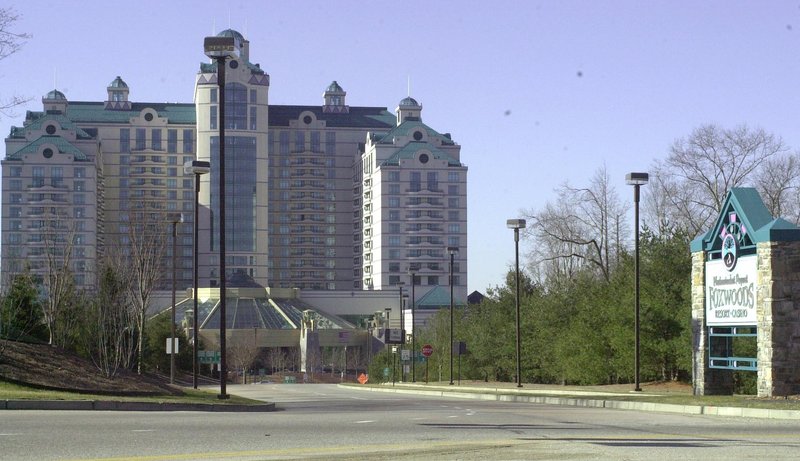
This month, with Foxwoods struggling with debt exceeding $2 billion, payments to members stopped. The tribe has opened a food pantry for needy families, counselors have provided guidance on how to pursue jobs and members have been left to ponder the end of what once seemed a sure bet.
“I was poor before. I can be poor again,” tribal member Gina Brown-Congdon, 59, said. “I’m not happy, but you have to deal with what life gives you.”
The money is not the only source of anxiety. FBI agents have been visiting the reservation and asking about tribal finances, according to two people with knowledge of tribal activity who spoke to The Associated Press on condition of anonymity to protect their relationships with the tribe. It all contributes to one of the most tumultuous periods in the recent history of the Pequots, who own and operate the casino that made their reservation one of the wealthiest communities in America.
The affluence vanished as quickly as it came for the tribe, which had only one person living on the reservation in the early 1970s. The Pequots won federal recognition and opened a bingo hall in the 1980s before hitting the jackpot with the start of casino gambling at Foxwoods in 1992. People who traced their bloodlines to Pequots counted in a 1900 census were allowed to join the tribe, which now has roughly 900 members.
A tribal elder, Loretta Libby, said many worry about what will come next. “Our stress levels are very high up here,” she said. “I just don’t know what’s going to happen.”
The Mashantucket Pequot Tribal Council said it stands united and focused on success at the Foxwoods Resort Casino.
“The community is pulling together in these challenging economic times, and we are eagerly embracing our future with a strong determination to continue growing our business as a major economic force in southeastern Connecticut,” the council said in a statement.
Despite the financial difficulties, Brown-Congdon said, she feels only gratitude toward the tribe for providing so well for so long. A Rhode Island native, she worked in potato fields for a time before coming to the join the tribe. The gambling income allowed her to live comfortably while she tended to ailing family members and cared for some of her sister’s 15 grandchildren.
She owned a house and cared for her sick brother until he died in 2010 and, without his tribal income, she could no longer afford it. She now fears the end of the payments could force her out of her rented house on the reservation. She wishes that she – and the tribe – had planned better for hard times, but she said the tribe’s only fault was perhaps being overly generous in its spending.
“They gave us the best care and the most love,” she said. “They made their decisions the best they could.”
The new austerity is a result of financial troubles at Foxwoods, which has been in talks to refinance its debt. After years of unparalleled success drawing gamblers from across New England and New York, the casino began struggling with increased competition and slackening demand. Foxwoods completed a major, costly expansion with the 30-story MGM Grand hotel and casino at the height of the recession in 2008. The resort has four hotels, more than 6,300 slot machines and 360 tables with 15 different types of games in six casinos.
The regular member payments ended in 2010, but the tribe offered smaller, transitional aid to members until March.
The tribe has been providing financial counseling and placing more members with jobs, including some at the casino. One member, 60-year-old Roslyn Charles, said the tribe still makes other aid available, including help with utility bills. And while jobs are available, she said many do not want to work.
“This is a family. There’s no friction. You’ve got to do what you’ve got to do,” said Charles, who works at a library. “The economy is hitting everybody. It’s not just us.”
The tribe that runs the Mohegan Sun casino, a nearby Connecticut rival of Foxwoods, has kept up payments despite financial strains, said Bruce “Two Dogs” Boszum, chairman of the Mohegan Tribal Council. He declined to say how large the payments are, but he said they began modestly to help members improve their lives and have grown slowly – an approach he said other tribes could learn from.
“It’s not something you want to take back later,” Boszum said. “We’ve done a lot of work to maintain all of our services here, and we’ve kept everything just the way it is.”
Brown-Congdon said she worries about the tribe, particularly young people who know only affluence. But she is moving on and thinking of what she could do for work. “A lot of things have come full circle for us,” she said.
Send questions/comments to the editors.

Success. Please wait for the page to reload. If the page does not reload within 5 seconds, please refresh the page.
Enter your email and password to access comments.
Hi, to comment on stories you must . This profile is in addition to your subscription and website login.
Already have a commenting profile? .
Invalid username/password.
Please check your email to confirm and complete your registration.
Only subscribers are eligible to post comments. Please subscribe or login first for digital access. Here’s why.
Use the form below to reset your password. When you've submitted your account email, we will send an email with a reset code.