


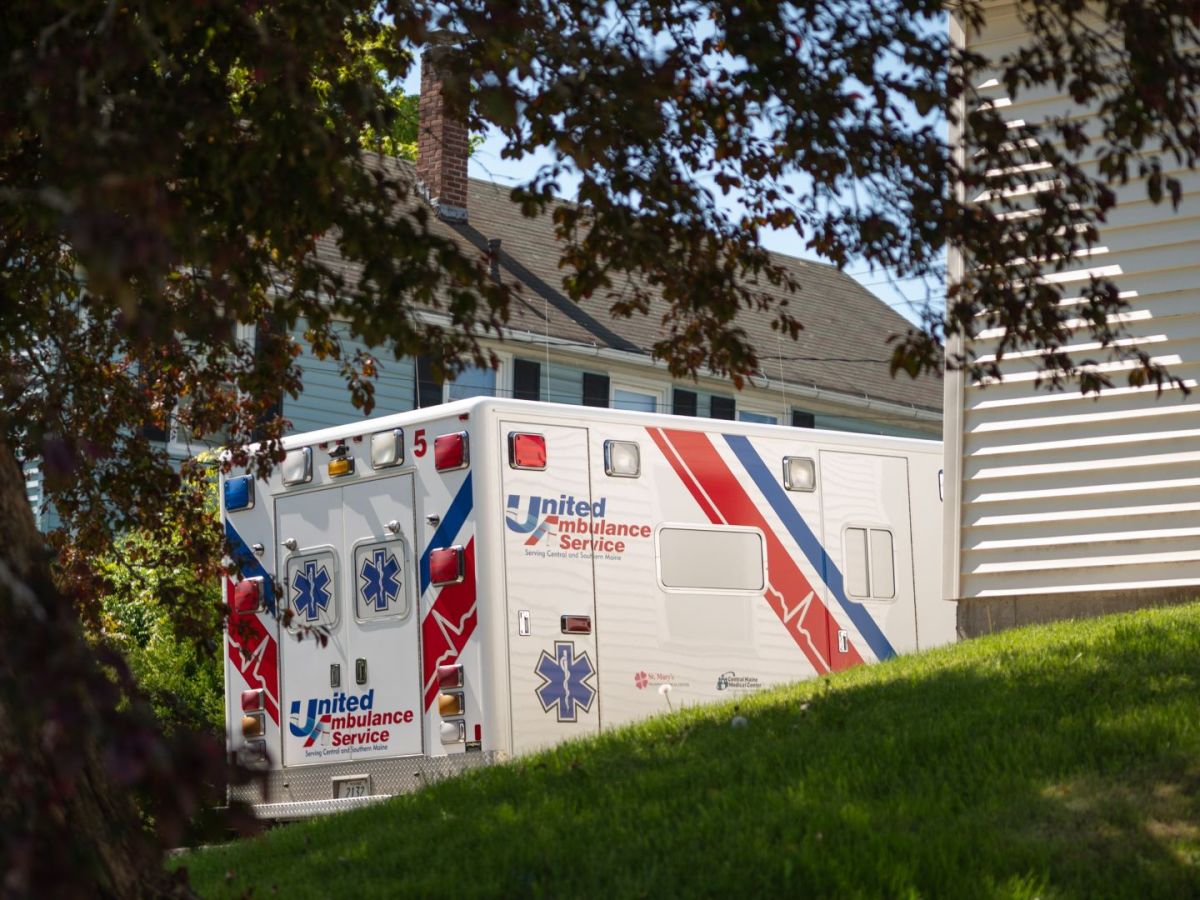
After Lisbon councilors cut funding last month, several have said they regret the vote and want to restore funding.
Emergency Medical Service

Posted inMaine, News
Lakes Region towns, short on ambulances, join forces with emergency ‘fly car’

The fly car, a joint endeavor of Casco, Gray, Raymond and Windham, is meant to relieve the burden on overstretched emergency workers.
advertisement

Posted inMaine, News
New class will bolster Harpswell’s ranks of volunteer EMTs
Fourteen students went through EMT training at Brunswick Landing this fall. Four plan to volunteer with Harpswell Neck Fire and Rescue once they pass Maine’s licensing test, and seven plan to join the Orr’s and Bailey Islands Fire Department roster.

Posted inBusiness, Health, Maine, News
Cyber incidents at Lewiston hospitals caused ambulances to be diverted

Some fire chiefs and ambulance services said they had no idea the cyber incidents were behind the diversions.
Posted inHealth, Maine
Maine community paramedicine in doubt after federal cuts
The programs, in which EMS workers make home visits to patients, have helped curb expensive hospital visits, providers say.

Posted inBusiness, Health, Maine, News, Schools and Education
Roux Institute students help Maine’s air ambulance service respond to emergencies faster
The Portland graduate students analyzed data from LifeFlight to see where it could cut down the time it takes to get in the air.

Posted inHealth, Maine, News
Loophole leaves Maine patients vulnerable to hefty ambulance fees

Despite knowing how the system works, an employee of the state’s largest insurance carrier still couldn’t avoid thousands of dollars in out-of-network bills.

Posted inMaine
Critical test underway as doctors become first responders in new Kennebec County program

A first-of-its-kind pilot program in the region brings physicians to the scenes of crashes and crises, upping the level of care that can be provided and diverting patients from crowded emergency rooms.

Posted inHealth, Maine
Panel recommends increases in funding, benefits to boost EMS in Maine

A report from the Blue Ribbon Commission to Study Emergency Medical Services calls for more than $70 million in state funding per year.

Posted inMaine
Maine’s emergency medical services at ‘breaking point,’ commission reports

The most pressing concern the state’s 272 service providers are facing is inadequate funding, driven largely by ‘antiquated and woefully inadequate’ Medicare and Medicaid reimbursements.